 St. Petersburg Roofing
 Two Solid Roofing Systems, Different Trade-Offs
Almost every roof replacement conversation in St. Petersburg eventually comes down to the same question: metal or asphalt shingles? Both are legitimate, code-approved roofing systems that perform well here when installed correctly. Neither one is a scam and neither one is automatically "better" — they just behave differently under the specific stresses a Pinellas County roof deals with year after year, and they cost differently up front and over time. This page walks through how each system actually holds up so you can make the call based on your budget, how long you plan to own the home, and how much maintenance you want to think about.
How Each Roof Handles St. Petersburg's Climate
St. Petersburg sits on a peninsula, which means every roof here deals with a combination most inland homes never see: hurricane-force wind gusts during storm season, intense sun almost every day of the year, wind-driven rain that gets pushed sideways into laps and flashings, and a steady dose of salt in the air even miles from the water. A roofing material doesn't have to fail dramatically to be a poor fit for that mix — it can simply wear out faster, need more attention, or lose its warranty coverage early because the environment wasn't accounted for during design or installation.
Asphalt Shingles in This Climate
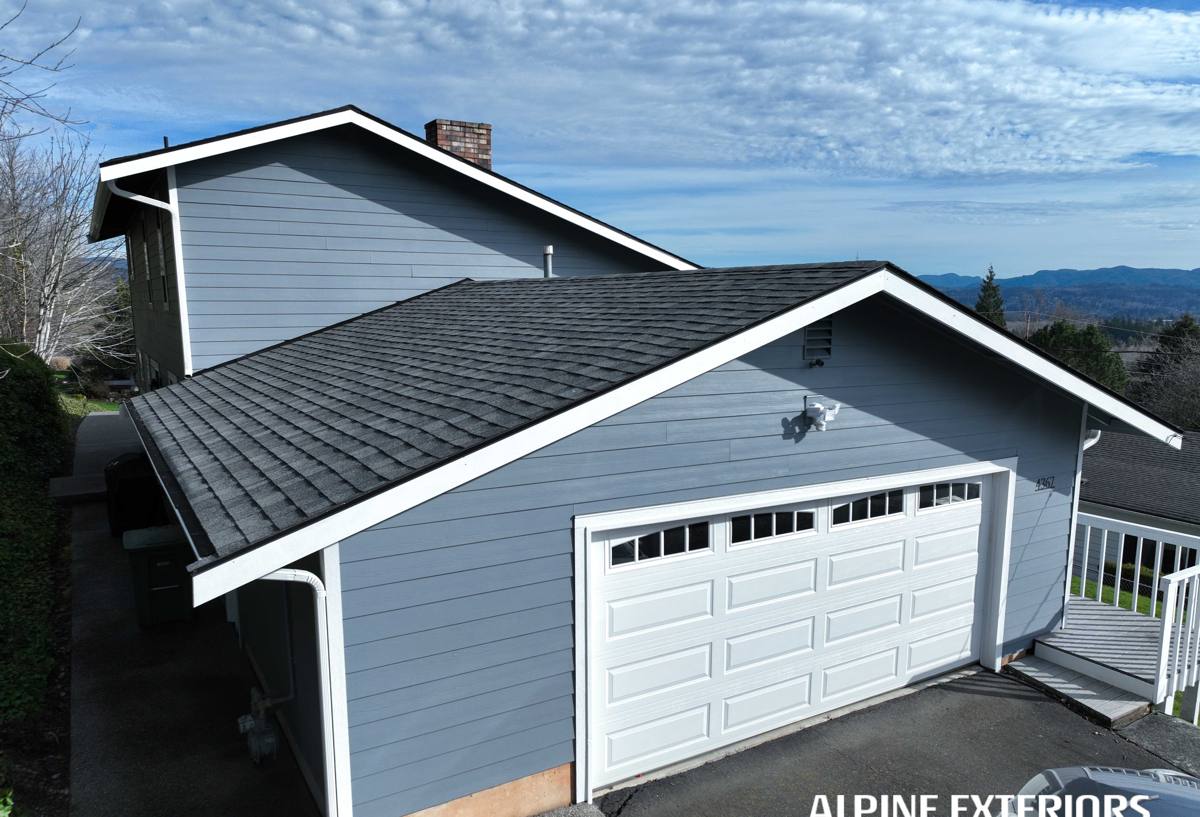
Modern architectural shingles rated for high-wind zones perform reasonably well here, provided they're installed with the correct nailing pattern, starter strip, and sealant activation. The UV load is the bigger long-term challenge — constant sun bakes the asphalt and breaks down the granules that protect the mat underneath, which is the main reason shingle roofs in Florida tend to age faster than the same product would in a milder climate.
Metal Roofing in This Climate
Metal handles UV exposure and wind uplift very well when it's a quality panel system installed with the right fastening pattern and clips. Its main vulnerability here is coastal corrosion — bare or poorly coated metal, or metal with the wrong fastener alloy, can develop rust or galvanic reactions faster near the water. The fix is straightforward (right coating, right fasteners) but it has to be specified correctly, not assumed.
Wind and Storm Performance
This is usually the deciding factor for homeowners who've been through a storm season or two. Both systems can be built to meet Florida Building Code wind requirements for our area, but they achieve it differently.
- Asphalt shingles rely on adhesive sealant strips bonding each shingle to the one below it, plus proper nailing. High-wind-rated shingles with six-nail patterns and enhanced sealant hold up well, but the sealant needs heat cycles to fully bond, and any shingle installed slightly out of pattern becomes a weak point.
- Standing seam metal panels are mechanically fastened or clipped along continuous seams, which generally gives a higher wind-uplift rating and fewer individual failure points across a large roof area. Exposed-fastener metal panels are more budget-friendly but have more penetration points that need to stay sealed over time.
In both cases, the roofing system is only as good as the deck attachment underneath it. A wind-rated shingle over a poorly attached deck, or a premium metal panel over rotted sheathing, will both underperform. If your roof deck hasn't been inspected in a while, that's worth addressing regardless of which material you choose.
Sun, Heat, and Energy Costs
Florida sun is relentless, and it affects these two materials differently.
Shingles and UV Breakdown
Asphalt shingles absorb heat and slowly lose their granule coating to UV exposure over the years. Dark colors run hotter, which can mean higher attic temperatures and, over time, a more brittle shingle that's more prone to cracking during a hail event or high-wind flexing.
Metal and Reflectivity
Many metal roofing finishes are formulated with reflective pigments that bounce back a meaningful share of solar heat rather than absorbing it, which can translate into a noticeably cooler attic and, for some homeowners, a modest reduction in cooling costs. Metal doesn't degrade from UV exposure the way asphalt does — its finish can chalk or fade over decades, but the panel itself isn't breaking down structurally from sun exposure.
Salt Air and Coastal Corrosion
Because St. Petersburg is surrounded by water on three sides, salt-laden air travels farther inland here than in most parts of the state. This matters more for metal than for asphalt.
Asphalt shingles aren't significantly affected by salt air — their vulnerability is UV and heat, not corrosion. Metal roofing can be affected if the coating system or fastener metal isn't matched to a coastal environment. This is a solvable problem, not a reason to avoid metal roofing, but it does mean the specification matters:
- Use fasteners and flashing metals that are compatible with the panel metal to avoid galvanic corrosion between dissimilar metals.
- Choose a coating system rated for coastal or marine exposure, not a generic finish.
- Keep gutters and valleys clear so salt residue and debris don't sit against the metal.
- Rinse accessible roof surfaces periodically if the home is within a mile or two of the water — a simple habit that extends coating life.
Lifespan, Maintenance, and Long-Term Cost
Upfront price is only part of the picture. The table below lays out the practical differences homeowners actually deal with over the life of the roof.
| Factor | Asphalt Shingles | Standing Seam Metal |
|---|---|---|
| Typical lifespan in this climate | 15-20 years | 40-60+ years |
| Upfront cost | Lower | Higher (roughly 2-3x shingles) |
| Wind performance | Good with proper install/rating | Excellent with proper fastening |
| UV/heat resistance | Degrades gradually over time | Very stable, reflective options available |
| Coastal/salt sensitivity | Low | Moderate — coating/fastener choice matters |
| Routine maintenance | Periodic inspection, moss/debris removal | Periodic fastener and sealant checks (exposed-fastener panels) |
| Repairability | Easy to patch individual shingles | Panel replacement can require matching/color-matching |
| Insurance considerations | Standard, widely underwritten | Often eligible for wind-mitigation credits |
The lifespan gap is the headline number, but it's not the whole story. A shingle roof replaced twice over 40 years costs real money in labor and tear-off both times, while a metal roof's higher upfront investment is spread over a much longer service life. Neither answer is wrong — it depends on how you value cash flow now versus cost over decades, and how long you expect to stay in the home.
Installation Considerations That Affect the Decision
Not every roof or budget is a perfect fit for both systems, and an honest contractor will tell you that before you sign anything.
Roof Pitch and Design
Very low-slope sections of a roof need different detailing than steep sections, and some metal panel profiles perform better on certain pitches than others. Complex rooflines with lots of valleys, dormers, or penetrations can also drive up metal installation labor since every seam and transition needs precise flashing work.
Structural Considerations
Metal roofing is generally lighter per square than a multi-layer shingle tear-off, which is rarely a problem, but any roof replacement is a good opportunity to have the deck and rafters checked, especially on older Pinellas County homes where decking may have been patched or partially replaced over the years.
Installer Experience Matters More With Metal
Shingle installation is fairly standardized across the trade. Metal roofing, especially standing seam, has a steeper skill curve — panel seaming, thermal expansion allowances, and flashing details all need to be done correctly the first time, because mistakes are harder and more expensive to fix after the fact than a misaligned shingle course. This is the single biggest reason two metal roof quotes can vary so much: you're not just paying for material, you're paying for the crew's precision.
Insurance, Permitting, and Resale in Pinellas County
Roofing work in the City of St. Petersburg and unincorporated Pinellas County requires a permit and inspection, and both metal and shingle roofs installed to current Florida Building Code wind provisions are treated as compliant systems by local building departments. On the insurance side, many carriers offer wind-mitigation credits for certain roof coverings, fastening methods, and roof shapes — metal roofs often qualify for favorable treatment, but the specific credit depends on the carrier and the exact installation details, so it's worth asking your agent directly rather than assuming either material automatically saves you money on premiums. For resale, both materials are well accepted locally; a newer metal roof is sometimes viewed as a selling point given its longevity, while a recently replaced shingle roof reads as a straightforward, well-maintained home to most buyers.
Which Makes Sense for Your Home?
There's no universal right answer, but a few honest questions tend to point most homeowners in the right direction:
- How many more years do you plan to own this home? Shorter horizons often favor the lower upfront cost of shingles.
- Is your budget built around financing the full cost now, or spreading roofing costs over multiple smaller replacements?
- Is your home within a mile or two of the water, where salt exposure is heaviest?
- Do you want the lowest-maintenance option even at a higher upfront price?
- Are you trying to maximize a wind-mitigation insurance credit?
- Does your roofline have a lot of valleys and penetrations that would add complexity (and cost) to a metal installation?
Neither system is the "wrong" choice for St. Petersburg. Plenty of well-built shingle roofs in this area hold up through storm season after storm season, and plenty of metal roofs deliver decades of low-maintenance service. What matters most is that whichever system you pick is installed to the wind-rating and flashing standards this climate actually demands — that's where most roofing problems here originate, regardless of the material on top.
If you're weighing metal against shingles for your own home, we're happy to walk your roof, talk through the trade-offs for your specific situation, and put together a free, no-pressure estimate for both options — use the form below to get started.