 St. Petersburg Roofing
 Exterior Work Built for Kenneth City's Climate
Kenneth City sits in the middle of Pinellas County, close enough to Tampa Bay and the Gulf that homes here deal with the same tough combination every property along this stretch of Florida faces: long stretches of intense UV, sudden wind-driven downpours, and salt-laden air that moves in off the water. None of that is dramatic on any given day, but it adds up fast on a roof, a wall of siding, or a set of exterior windows that were never designed with a 20-year Florida sun cycle in mind. If you own a home in Kenneth City, you already know the drill — the driveway gets hot enough to feel through your shoes by 10 a.m., and by afternoon a pop-up storm can dump an inch of rain in twenty minutes. That's the environment we build every estimate around.
What Pinellas County Weather Actually Does to a Roof
Roofs in this part of Florida age differently than roofs almost anywhere else in the country, and it's worth understanding why before you decide what kind of repair or replacement makes sense for your house.
UV Breakdown
Asphalt shingles rely on their granule coating to reflect heat and protect the asphalt layer underneath from the sun. Pinellas County gets close to year-round direct sun exposure, and that granule layer wears thin faster here than it would in a cooler climate. Once it thins out, the asphalt underneath starts to bake, dry out, and crack — well before the shingle reaches its rated lifespan on paper.
Wind-Driven Rain
It's not just how hard it rains — it's the angle. When wind pushes rain sideways during a storm, water gets forced up and under shingle edges, into ridge caps, and around any flashing that isn't sealed tight. A roof that would shed a straight-down rain just fine can still leak during a wind-driven system if the underlayment and flashing details weren't done right the first time.
Salt Air
Even away from the immediate waterfront, salt carried on Gulf and Bay breezes settles on metal fasteners, flashing, vents, and any exposed hardware on a roof or exterior wall. Over years, that accelerates corrosion on anything that isn't rated for coastal exposure — which is one reason we pay close attention to fastener and flashing specs on every job in this area, not just the ones directly on the water.
Siding, Windows, and Decks See the Same Punishment
Roofing gets the most attention because leaks are obvious, but the same conditions are working on the rest of a home's exterior at the same time.
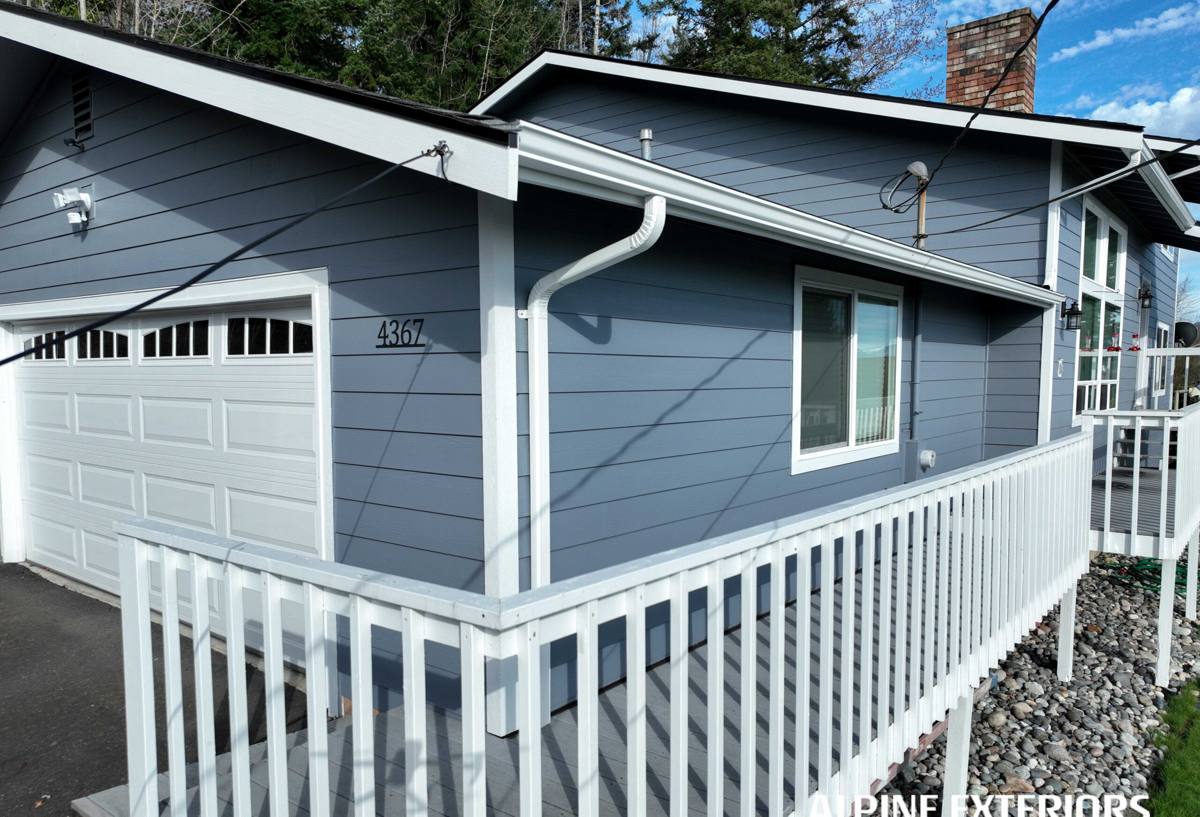
Siding takes UV exposure on the sun-facing walls of a house, which is why you'll often see fading or chalking concentrated on one or two elevations rather than evenly across the whole home. Poor-quality caulking and trim joints are also where wind-driven rain finds its way behind siding panels, leading to moisture damage that isn't visible until it's already progressed. Windows deal with a related problem: seals and weatherstripping that dry out and shrink under constant heat, which is when homeowners start noticing drafts, fogging between panes, or water intrusion at the sill during storms. Decks, whether wood or composite, face the most direct combination of all three — sun exposure across the whole surface, standing water after storms if drainage isn't right, and fasteners exposed to the same salt air affecting the roof.
Why a Local Crew Matters Here
None of this is complicated, but it does mean the right approach for a home in Kenneth City isn't necessarily what a national contractor would spec for a house in Ohio or Colorado. A crew that works Pinellas County roofs and exteriors every week knows which underlayment and fastening details hold up to wind-driven rain, which flashing and hardware grades make sense given the salt air, and which siding and window products actually perform under sustained Florida UV rather than just looking good on a spec sheet. Being local also means we're not disappearing after the invoice — if a storm rolls through and you want a follow-up check, we're a short drive away, not a call center in another state.
Roofing Material Comparison for This Climate
There's no single "best" roofing material for every home — it depends on budget, how long you plan to stay in the house, and how much maintenance you want to take on. Here's an honest breakdown of the common options we install and repair in this area.
| Material | Typical Lifespan Here | UV/Heat Performance | Wind & Storm Notes |
|---|---|---|---|
| Architectural Asphalt Shingle | 15-25 years | Good with quality granules; fades and thins over time | Rated shingles with proper nailing pattern hold up well to local wind speeds |
| 3-Tab Asphalt Shingle | 10-15 years | Wears faster than architectural under constant sun | Lower wind rating; more vulnerable to edge lift in storms |
| Standing Seam Metal | 30-50 years | Excellent reflectivity, handles heat cycling well | Very strong wind performance when properly fastened |
| Tile (Concrete or Clay) | 30-50 years | Excellent UV resistance; heavy thermal mass | Strong wind performance, but underlayment failure is the real risk over time |
The table above covers the roof surface itself, but on every job the underlayment, flashing, and fastening details matter as much as the material on top — a premium shingle installed with the wrong underlayment for wind-driven rain will still underperform.
A Note on Roofing Product Choices
We install a range of shingle, metal, and tile products, and we're upfront when a particular budget option isn't a good fit for this climate — not because the product is inherently bad, but because certain lower-end lines skimp on granule density or sealant strips that matter more here than in drier, cooler regions. Our standard is to spec materials and installation methods based on what actually holds up to sustained Gulf Coast sun and wind-driven rain, and to explain the trade-offs so you can make an informed call rather than just picking the cheapest line item.
Signs Your Roof or Exterior Needs Attention
Most exterior damage in this climate doesn't announce itself with a dramatic leak on day one — it shows up as smaller signs first. Worth checking for periodically, especially after a rough storm season:
- Granules collecting in gutters or at the base of downspouts
- Curling, cracking, or lifted shingle edges, especially on the sun-facing side of the roof
- Soft spots, discoloration, or bubbling on interior ceilings near exterior walls
- Caulking or trim joints on siding that have shrunk, cracked, or pulled away
- Windows that fog between panes, stick, or let in a draft they didn't before
- Deck boards that feel soft, fasteners that have rusted or backed out, or standing water after rain
- Rust streaking around roof vents, flashing, or metal fasteners
Catching any of these early is almost always cheaper than waiting for them to become a full leak or structural repair.
How We Approach a Kenneth City Estimate
When we come out to look at a home in this area, we're checking the roof surface, but also the flashing at every penetration, the condition of siding and trim, window seals, and any deck or exterior structure on the property. That gives a full picture rather than a quote based on one problem in isolation — because in this climate, if one exterior component is showing wear, it's worth checking whether the same conditions have started affecting the others. We'll walk you through what we find in plain terms, what's urgent versus what can be scheduled out, and what the honest cost range looks like for each option.
Maintenance That Actually Extends Life Here
A little routine attention goes further in this climate than in most. Keeping gutters and downspouts clear so water doesn't back up under roof edges, rinsing accumulated salt residue off siding and hardware a couple times a year, resealing exterior trim joints before they crack open, and having a roof checked after any named storm are the habits that separate a roof or siding job that lasts the full expected lifespan from one that needs early replacement. None of it is expensive, but it does need to actually happen on a schedule rather than "whenever."
Get a Straightforward Look at Your Home
If you're noticing any of the warning signs above, dealing with an aging roof, or just want an honest read on where your siding, windows, or deck stand after another Florida storm season, we're happy to come take a look. There's no pressure and no obligation — just a straightforward estimate from a crew that works this exact climate every day. Use the form below to request your free estimate.