 St. Petersburg Roofing
 Roofing in Euclid-St. Paul: A Neighborhood Built to Take a Beating
Euclid-St. Paul sits inside St. Petersburg, in Pinellas County, which means every roof in the neighborhood is doing double duty. It has to shed the intense, near-constant Florida sun for most of the year, then switch gears and hold up against hurricane-season wind and wind-driven rain for several months straight. Add in the salt air that drifts in off Tampa Bay and the Gulf, and you have a climate that is genuinely harder on a roof than what most of the country deals with. None of this is unique to any one street or block in the neighborhood — it is simply what comes with owning a home in coastal Pinellas County, and it is the starting point for any honest conversation about roofing here.
The housing stock in this part of St. Petersburg spans a range of ages and roof types, from older shingle roofs on homes that have been re-roofed once or twice already to newer builds with more modern underlayment and flashing details. What most of these roofs have in common is that they were designed and installed to meet Florida Building Code wind and water requirements — but code minimums are a floor, not a guarantee, and a roof's real-world performance depends heavily on installation quality and ongoing maintenance.
How the Local Climate Actually Wears Down a Roof
UV Exposure
Florida gets more direct sun hours per year than almost anywhere else in the continental U.S. On asphalt shingles, constant UV exposure breaks down the asphalt binders and causes the protective granules to loosen and wash off over time. Once granule loss becomes visible, the shingle underneath is exposed to faster degradation, and the clock on that roof's remaining life starts moving faster.
Wind-Driven Rain
It is not just how hard it rains here — it is the direction it comes from. During tropical storms and hurricanes, rain gets driven sideways and can work its way under shingle edges, around vent boots, and through any flashing detail that was not installed tightly. A roof can look intact from the ground after a storm and still have taken on water at a seam or penetration point.
Hurricane-Force Wind
Wind uplift is the mechanism that tears shingles, tiles, and even whole roof sections off during a storm. The perimeter and corners of a roof see the highest uplift pressure, which is why proper edge metal, starter strip, and fastening patterns matter more here than they would in a low-wind climate.
Salt Air
Homes closer to the bay and Gulf deal with airborne salt that accelerates corrosion on exposed metal — roof flashing, fasteners, vent stacks, gutters, and any metal roofing components. Salt exposure does not stop a roof from failing on its own, but it speeds up corrosion on the metal parts that keep the rest of the system watertight, which is why fastener and flashing material choice matters as much as the roofing material itself in this area.
Signs a Roof in This Area Needs a Closer Look
Most roof failures don't happen all at once — they show warning signs first. Homeowners in Euclid-St. Paul should keep an eye out for:
- Granules collecting in gutters or at the base of downspouts
- Shingles that look curled, cupped, or are missing entirely after a storm
- Dark streaking or persistent staining on the roof surface
- Soft spots or sagging when walked on (best assessed by a professional)
- Water stains on interior ceilings, especially after heavy rain
- Rust streaks around vent stacks, flashing, or metal roof panels
- Daylight visible through the attic decking
- Cracked or lifted flashing around chimneys, skylights, or roof-to-wall transitions
Any one of these on its own isn't necessarily an emergency, but they're worth having looked at before the next storm system moves through, not after.
Roofing Materials: What We Install and Why
There is no single "best" roofing material for every home in Pinellas County — it depends on budget, the home's structure, HOA rules where applicable, and how long the homeowner plans to stay in the house. Here's how the main options generally compare for this climate:
| Material | Typical Lifespan Here | Wind Performance | Maintenance |
|---|---|---|---|
| Architectural asphalt shingle | 15-25 years | Good, with proper fastening and rated products | Periodic inspection, gutter clearing |
| Standing seam metal | 30-50 years | Very good to excellent | Low; watch fastener condition near coast |
| Concrete or clay tile | 30-50+ years | Good when properly fastened; individual tiles can crack | Occasional tile replacement, underlayment is the real lifespan factor |
| Flat/low-slope membrane (TPO, modified bitumen) | 15-20 years | Depends on attachment method | Regular seam and drain inspection |
We walk through these trade-offs honestly with every homeowner rather than pushing one product. For a lot of homes in this neighborhood, the underlayment and flashing details end up mattering as much as the visible roofing material — a well-installed shingle roof with a quality synthetic underlayment can outperform a poorly detailed higher-end system.
The Roof Replacement Process, Step by Step
Inspection and Estimate
We start with a full roof and attic inspection, checking decking condition, ventilation, flashing, and the current material's remaining life, not just a look from the ground.
Permitting
Roof replacements in St. Petersburg require a permit and inspection through the city or county building department. A local crew that pulls permits routinely in Pinellas County knows the inspection process and what inspectors are looking for, which keeps the job moving without avoidable delays.
Tear-Off and Deck Inspection
Once the old roofing is removed, the decking gets inspected for rot or soft spots — this is often the point where hidden moisture damage from years of small leaks becomes visible, and it needs to be addressed before anything new goes down.
Underlayment, Flashing, and Installation
Given the wind-driven rain this area sees, we treat underlayment and flashing as critical, not optional add-ons. That includes proper valley treatment, drip edge, and sealing around every roof penetration.
Final Inspection and Cleanup
The job wraps with a municipal inspection and a full site cleanup, including a magnetic sweep for stray nails.
Beyond the Roof: Siding, Windows, and Decks in the Same Climate
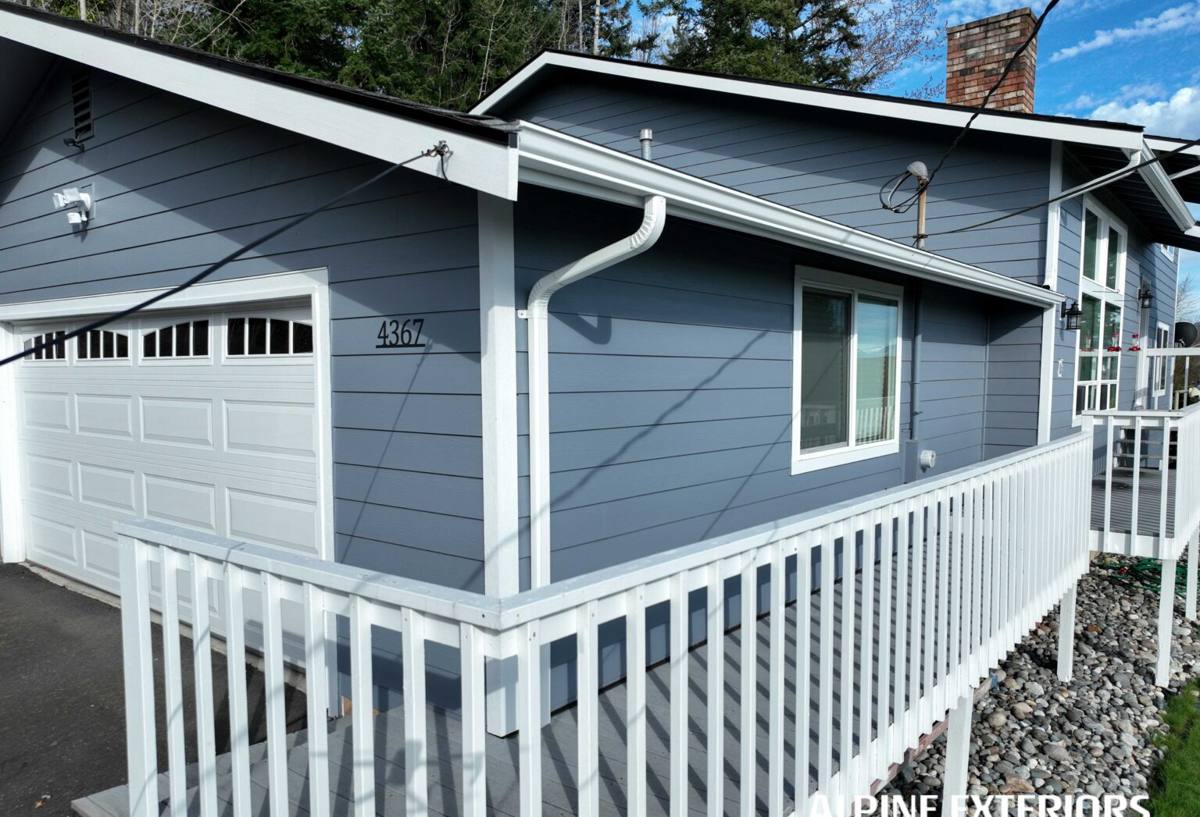
The same UV, humidity, salt air, and wind that stress roofs in Euclid-St. Paul affect the rest of a home's exterior too, which is part of why we handle siding, windows, and decks alongside roofing rather than treating them as separate trades.
Siding
Siding here needs to handle moisture without trapping it behind the surface, and it needs a finish that can take years of UV without fading or chalking prematurely. Poor flashing at windows and corners is one of the most common sources of hidden water intrusion behind siding in this climate.
Windows
In a wind-borne debris region, window selection and installation quality directly affect how a home performs in a storm. Proper flashing and sealing around window openings also matters as much as the window unit itself for keeping wind-driven rain out.
Decks
Outdoor structures in coastal Florida deal with constant humidity, sun exposure, and, for decks near fasteners and connectors, the same salt-air corrosion concern as roofing metal. Material choice and hardware selection make a real difference in how long a deck stays sound.
Maintenance That Actually Extends Roof Life Here
Because of how hard this climate works on roofing systems, a little routine maintenance goes further here than it does in milder climates. Practical habits worth keeping up:
- Clean gutters and downspouts regularly so water isn't pooling at the roofline
- Trim overhanging branches that scrape shingles or drop debris onto the roof
- Schedule a professional inspection after any named storm that affects the area
- Have the roof looked at before it's out of warranty, not after a leak shows up
- Keep attic ventilation clear so heat and moisture aren't building up under the deck
Insurance, Storm Damage, and Documentation
After a significant wind or rain event, insurance companies in Florida scrutinize roof claims closely, and documentation matters. A thorough post-storm inspection with clear photos and a written assessment of what's storm-related versus pre-existing wear gives homeowners a much stronger footing if they need to file a claim. We provide that kind of documentation as a standard part of storm-related inspections, not as an upsell.
Why Working With a Local Pinellas County Crew Matters
Roofing rules, wind-load requirements, and permitting processes in St. Petersburg are shaped by the fact that this is a hurricane-exposed coastal county — they are not the same as what a contractor might be used to in a different state or even a different part of Florida. A crew that works Pinellas County routinely already understands local code requirements, has an established relationship with the permitting office, and has seen firsthand how different roofing systems actually hold up here over time, not just on paper. That local track record is worth more than a low bid from a crew that isn't based in the area and won't be around if a warranty issue comes up down the road.
If you're noticing any of the warning signs above, planning ahead of hurricane season, or just want an honest read on where your roof, siding, windows, or deck stand, we're happy to take a look. Reach out using the form below for a free, no-pressure estimate.