 St. Petersburg Roofing
 Roser Park sits close enough to the water and to downtown St. Petersburg that its homes deal with a specific mix of stresses: intense sun exposure with little relief most of the year, salt-laden air drifting in off Tampa Bay, and the wind-driven rain and occasional hurricane-force gusts that come with every Gulf Coast storm season. Add in a housing stock that spans decades of construction styles, and you get a neighborhood where exterior systems age unevenly and need a contractor who actually understands what Pinellas County weather does to a roof, a wall, a window, or a deck over time.
We work on homes throughout St. Petersburg, and Roser Park is part of our regular service area. This page walks through what we actually see out there, how our services apply to the neighborhood's housing stock, and what to think about before hiring anyone to work on your home's exterior.
What St. Petersburg's Climate Does to a Home's Exterior
Before getting into specific services, it helps to understand the forces every exterior surface in this part of Pinellas County is up against:
- UV exposure: Florida's sun is intense nearly year-round, and it breaks down roofing granules, fades siding color, and dries out caulking and window seals faster than in most of the country.
- Salt air: Proximity to the bay means airborne salt settles on metal fasteners, flashing, and hardware, accelerating corrosion even on homes that aren't waterfront.
- Wind-driven rain: Storms here rarely come straight down. Rain gets pushed sideways into wall assemblies, under roof edges, and around window frames, which is why flashing and sealing details matter more here than in drier climates.
- Hurricane-force wind events: Even when a storm doesn't make a direct hit, the region sees enough wind loading over a hurricane season to test every fastener, every shingle nail pattern, and every panel of siding.
- Humidity and moisture cycling: Constant humidity, combined with afternoon thunderstorms, means anything that traps moisture against a wall or roof deck becomes a rot or mold risk faster than in a drier region.
None of this means a home in Roser Park is destined for problems. It means the materials and installation details have to be chosen with these conditions in mind, and that maintenance schedules need to be realistic rather than borrowed from a mild-climate playbook.
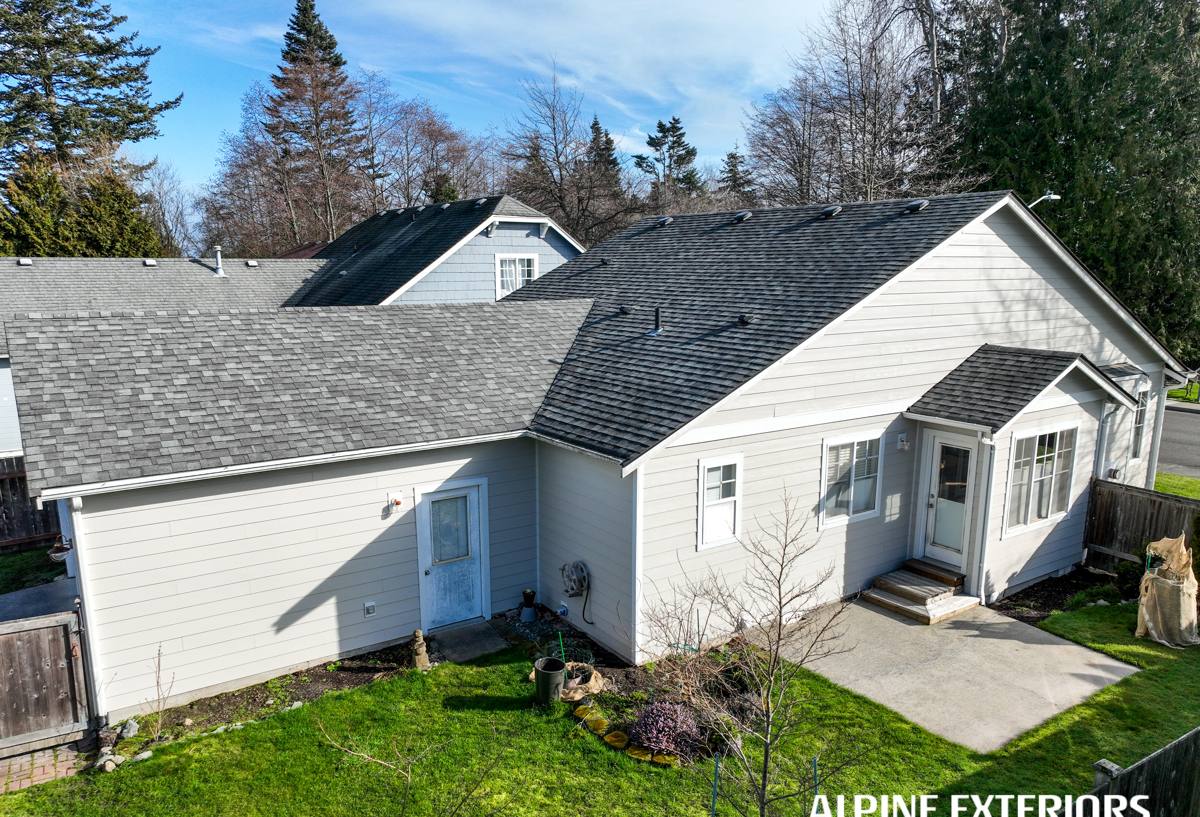
Roofing for Roser Park Homes
Roofs take the brunt of Pinellas County weather. UV exposure bakes shingles from above while humidity works on the roof deck from below, and wind uplift during storms tests every nail and every seam.
Common Issues We Look For
- Granule loss and brittle shingles from years of direct sun
- Lifted or cracked shingles along ridge lines and edges where wind uplift concentrates
- Corroded or failing flashing around chimneys, vents, and roof-to-wall transitions
- Soft spots or discoloration in the decking, usually a sign of a slow leak that's been going unnoticed
- Aging underlayment that no longer provides a reliable secondary water barrier
Roofing Materials We Work With
Asphalt shingles remain the most common roofing material in this area because they balance cost, appearance, and performance reasonably well when installed with wind-rated nailing patterns and proper underlayment. Metal roofing is a strong option for homeowners planning to stay long-term, since it holds up well against wind and doesn't lose granules the way shingles do, though it comes at a higher upfront cost. Tile roofing has a long lifespan for the tile itself, but the underlayment beneath it still ages and needs attention on its own schedule, which is something homeowners with tile roofs are sometimes surprised to learn.
Siding: Matching Material to the Coastal Environment
Siding on a home this close to the bay has to deal with humidity, salt exposure, and UV fading all at once. We install and repair a range of siding types, and part of our job is being honest about which materials hold up better here and why.
Siding Options and Trade-Offs
| Material | Strengths in This Climate | Trade-Offs to Consider |
|---|---|---|
| Fiber cement | Resists moisture and pests well, holds paint longer than wood, handles heat and humidity cycling | Heavier material, installation is less forgiving of shortcuts |
| Vinyl | Low maintenance, budget-friendly, no repainting needed | Can become brittle with age under constant UV, less impact resistance in storms |
| Wood | Traditional appearance some homeowners in older neighborhoods prefer | Highest maintenance burden in this humidity; needs regular sealing and repainting to avoid rot |
| Engineered wood | More affordable than fiber cement with a similar look | Moisture management at seams and cuts has to be done correctly or it will absorb water |
We don't push one material on every home. A lot of it comes down to the age and construction of the house, what the homeowner wants to maintain, and budget. What we will say plainly: whatever material goes up, the flashing, house wrap, and seam detailing underneath it matter as much as the siding itself when wind-driven rain is a regular occurrence.
Windows: Sealing Out Wind and Water
Older homes in neighborhoods like Roser Park often still have original or aging window frames, and those are frequently the weakest point in the building envelope during a storm. Failed seals and worn weatherstripping let humid air in year-round and let wind-driven rain in during storms.
What We Evaluate
- Whether existing frames are sealing properly or letting in drafts and moisture
- Impact resistance and wind-load rating relative to the home's exposure
- Condensation between panes, which signals a failed seal on double-pane units
- Whether current windows meet the wind-load expectations for this part of the county
Impact-rated windows are worth serious consideration for homes in this area, not because it's required everywhere, but because they reduce storm prep stress and generally perform better against wind-driven debris than standard windows. They're a bigger upfront investment, so we walk homeowners through the real cost difference against standard windows plus separate storm protection, rather than assuming one answer fits every budget.
Decks: Built for Humidity and Sun, Not Against Them
Outdoor living is part of the appeal of living in this area, and decks in Roser Park face their own version of the same climate stress: constant humidity at ground level, intense UV on any exposed surface, and afternoon rain that keeps wood-based materials damp longer than homeowners often expect.
Deck Material Considerations
- Pressure-treated wood: Lower upfront cost, but requires regular sealing and inspection for rot, especially near ground contact points and fasteners.
- Composite decking: Higher upfront cost but far less maintenance, and it doesn't absorb moisture the way wood does, which matters in a climate this humid.
- Fasteners and framing hardware: Corrosion-resistant hardware isn't optional this close to the bay — standard hardware corrodes faster here than most homeowners expect.
We also check that ledger board attachments, joist spacing, and railing systems meet current code, since a lot of older decks in established neighborhoods were built to standards that have since changed.
Why a Local Crew Matters Here
Roofing, siding, window, and deck work in St. Petersburg isn't the same job as it would be in a drier or more temperate part of the country. A crew that knows Pinellas County work is going to:
- Understand local wind-load and code requirements without having to look them up mid-project
- Recognize the difference between cosmetic wear and moisture damage that's been developing under the surface
- Choose flashing, sealants, and fastener materials that actually hold up against salt air instead of failing in a couple of years
- Time projects around Florida's rainy season and storm season instead of getting caught mid-job by weather
- Show up for warranty or follow-up work because we're based in the area, not passing through
A Practical Maintenance Checklist for Roser Park Homeowners
- Have your roof inspected after any significant storm, even if you don't see obvious damage from the ground
- Check caulking and sealant around windows and door frames at least once a year
- Look at siding seams and corners for gaps that could let wind-driven rain behind the material
- Inspect deck fasteners and ledger board connections annually for corrosion or loosening
- Clean gutters regularly — clogged gutters push water where it shouldn't go, including behind siding and fascia
- Watch for granule buildup in gutters and downspouts, an early sign of shingle wear
Getting an Honest Assessment
Not every issue we find during an inspection needs immediate replacement, and we'd rather tell a homeowner what can wait than sell a full project that isn't necessary yet. At the same time, in a climate that doesn't give exteriors much of a break, small deferred issues — a lifted shingle, a gap in siding trim, a window seal that's starting to fail — tend to turn into bigger repairs if they sit through another storm season.
If you're in Roser Park and want a straight answer on where your roof, siding, windows, or deck actually stand, we're happy to take a look. Reach out for a free, no-pressure estimate using the form below.