 St. Petersburg Roofing
 Crescent Lake's Housing Stock and Why It Matters for Roofing
Crescent Lake is one of St. Petersburg's older, established neighborhoods, and that shows up directly in the kind of exterior work homes there need. Many houses in this part of the city were built decades ago, meaning original roof decking, older attic ventilation setups, and in some cases multiple roofing layers stacked on top of each other from past re-roofs. When we work in this area, the first thing we're checking isn't just the shingles on top — it's what's underneath them, because that's usually where the real story is.
A roof that looks fine from the street can be hiding soft decking, undersized ventilation, or flashing that was never brought up to current code during a previous repair. None of that is unusual for a neighborhood with this much history. It's just part of doing the job right.
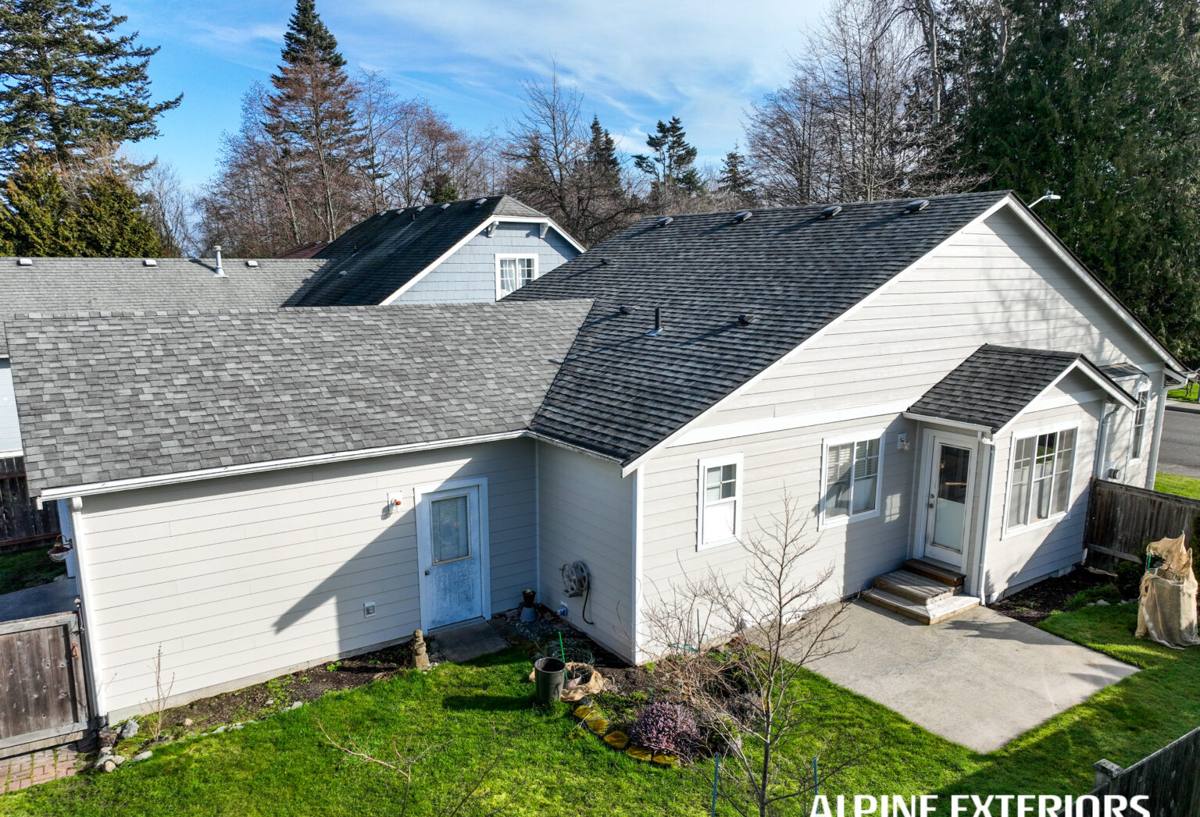
What the St. Petersburg Climate Does to a Roof Over Time
St. Petersburg sits in Pinellas County, close enough to open water that salt-laden air is a constant, low-grade factor on every exterior surface — fasteners, flashing, gutters, and any exposed metal. Add to that the year-round intensity of Florida UV, which breaks down asphalt shingle granules and dries out sealants faster than in most of the country, and you've got a roof that ages differently here than it would up north.
Then there's wind. Hurricane-force gusts test every mechanical connection on a roof system — nailing patterns, underlayment attachment, edge metal, and how well the roof deck itself is fastened down. Wind-driven rain is arguably the tougher test, because it doesn't need a direct hole to get in. It finds gaps at valleys, penetrations, and aging flashing, and it pushes water sideways and even upward under normal gravity-flow assumptions.
Put together, that's four forces working on a Crescent Lake roof at once: UV breakdown, salt corrosion, wind uplift, and wind-driven water intrusion. Most roofing failures we see in this area are the compounding result of two or more of these working on the same weak point over several years.
Signs a Crescent Lake Roof Is Under Stress
- Granule loss showing up in gutters or at downspout discharge points
- Curling or lifting shingle edges, especially on the sides facing prevailing wind
- Rust staining at nail heads, flashing, or vent boots
- Soft spots or slight sagging when walked on (a decking issue, not just a surface issue)
- Water stains on interior ceilings after wind-driven rain events specifically, even without a visible roof leak on calm days
Roofing Materials: What We Recommend and Why
For this climate, we lean toward materials and systems that are proven against wind uplift and moisture intrusion, not just ones that look good on day one. Architectural asphalt shingles rated for high wind, when installed with proper nailing patterns and sealed valleys, hold up well and remain the most cost-effective option for most Crescent Lake homes. Metal roofing is a strong option too, particularly for homeowners planning to stay long-term, since it handles wind uplift and salt exposure better over a multi-decade horizon, provided the fastener system and coatings are matched to a coastal environment.
Where we're more cautious is with any roofing product or underlayment that depends heavily on perfect field installation conditions to perform, or that has a track record of trapping moisture against decking in humid climates. We'd rather walk a homeowner through the honest maintenance and inspection burden of a product up front than install something that looks like a bargain and becomes a recurring service call.
| Roofing Option | Typical Lifespan (FL coastal) | Wind Performance | Maintenance Level |
|---|---|---|---|
| Architectural asphalt shingle | 18-25 years | Good, with proper nailing/underlayment | Low-moderate |
| Standing seam metal | 40-50+ years | Excellent | Low |
| 3-tab asphalt shingle | 12-18 years | Fair | Moderate |
| Tile (concrete/clay) | 30-50 years | Good if fasteners/underlayment maintained | Moderate |
Siding, Windows, and Decks: The Rest of the Envelope
Roofing gets the attention, but a home's exterior only performs as a system. Siding in Crescent Lake takes the same salt-air and UV exposure as the roof, and older siding materials often show chalking, fading, or moisture entry at seams and trim well before a homeowner notices roof issues. When we replace or repair siding here, we're paying close attention to the water-resistive barrier behind it and to flashing details around windows and doors — that's usually where wind-driven rain actually gets in, not through the siding material itself.
Windows in older Crescent Lake homes are frequently original single-pane units or early-generation replacements that were never rated for the wind pressures current Florida building code requires. Impact-rated or wind-rated replacement windows do double duty: they cut down on storm vulnerability and reduce the UV and heat load coming into the house, which matters for cooling costs given how much direct sun this area gets nearly year-round.
Decks face their own version of the same problem — UV drying out and graying wood fiber, fasteners corroding faster near the coast, and ground contact or poor drainage accelerating rot at posts and ledger boards. A deck built or maintained without this climate in mind tends to show structural fatigue well before it looks obviously "old."
Where Exterior Systems Interact
- Roof edge and gutter design affects how much wind-driven water reaches siding and window trim below
- Poor attic ventilation shortens shingle life and can also drive moisture into siding from the inside out
- Deck ledger board attachment to the house needs proper flashing, or it becomes a hidden moisture entry point into the structure
- Window flashing integration with siding water-resistive barriers is one of the most common places we find prior workmanship gaps
Insurance, Inspections, and Documentation
Florida property insurance has gotten more particular about roof age, roof condition, and wind mitigation features, and that affects Crescent Lake homeowners directly. A four-point inspection or wind mitigation inspection often flags roofing age or condition issues that either raise premiums or trigger a requirement for repair or replacement before a policy renews. We routinely document roof condition, underlayment type, and fastening details in a way that's useful for these inspections, because a well-documented roof can make a real difference in insurance conversations.
If you're dealing with storm damage specifically, having clear photo documentation and a written scope of repair from a local contractor — not just an adjuster's summary — tends to make the claims process go smoother.
Why a Local Crew Matters Here
Crescent Lake isn't a generic zip code to us. Working in Pinellas County and St. Petersburg specifically means knowing the local permitting process, understanding how the city and county apply Florida's wind-load and impact-resistance code requirements, and having a realistic sense of how a given street or block tends to perform in storms based on tree cover, elevation, and building age. That's not something a crew driving in from outside the area picks up quickly.
It also means being reachable after a storm. When wind-driven rain gets into a roof or siding system, the first 24-48 hours matter for limiting interior damage. A contractor with an established presence in the area is in a better position to respond quickly rather than being backed up across a much wider service radius.
What a Typical Project Looks Like
Most exterior projects in this neighborhood start with an inspection that looks at the whole envelope, not just whatever the homeowner called about. If someone reaches out about a roof leak, we're also going to look at flashing, siding condition near that area, and attic ventilation, because these problems are rarely isolated. From there we put together a written scope and a straightforward explanation of material options and cost factors, without pushing a homeowner toward the most expensive option by default.
Questions Worth Asking Before Any Exterior Project
- Is the existing decking or sheathing sound, or does it need partial replacement?
- What's the current attic ventilation setup, and is it adequate for the roofing material being installed?
- Are flashing details at valleys, walls, and penetrations being replaced or reused?
- Does the proposed material and installation method meet current Florida wind-load code for this location?
- What does the manufacturer's warranty actually require in terms of installation method and maintenance?
If you're noticing signs of wear on your roof, siding, windows, or deck, or you just want an honest read on where things stand before storm season pressure builds, we're happy to take a look. The estimate is free, there's no pressure attached to it, and you'll get a straight answer either way — just fill out the form below.