 St. Petersburg Roofing
 Roofing in Pinellas Park: What the Climate Actually Demands
Pinellas Park sits in the middle of the Pinellas County peninsula, which means homes here get the worst of both coasts without the benefit of a direct waterfront breeze to help roofs dry out after a storm. The combination that matters most for roofing is simple: intense, near-constant UV exposure baking shingles and membranes for most of the year, sudden wind-driven rain events that test every flashing detail and seal, and salt-laden air drifting in off Tampa Bay and the Gulf that accelerates corrosion on fasteners, vents, and metal components even well inland. None of these forces are dramatic on any single day, but stacked together year after year, they shorten the working life of a roof that wasn't built or maintained with this climate in mind.
We work throughout Pinellas County, and Pinellas Park roofs tend to show a specific pattern of wear: granule loss and brittleness on the sun-exposed slopes (usually south and west facing), soft spots or ponding on flat porch and lanai roofs, and corrosion around older metal flashing and pipe boots. Understanding that pattern is the difference between a roofer who patches what's in front of them and one who actually extends the life of the whole system.
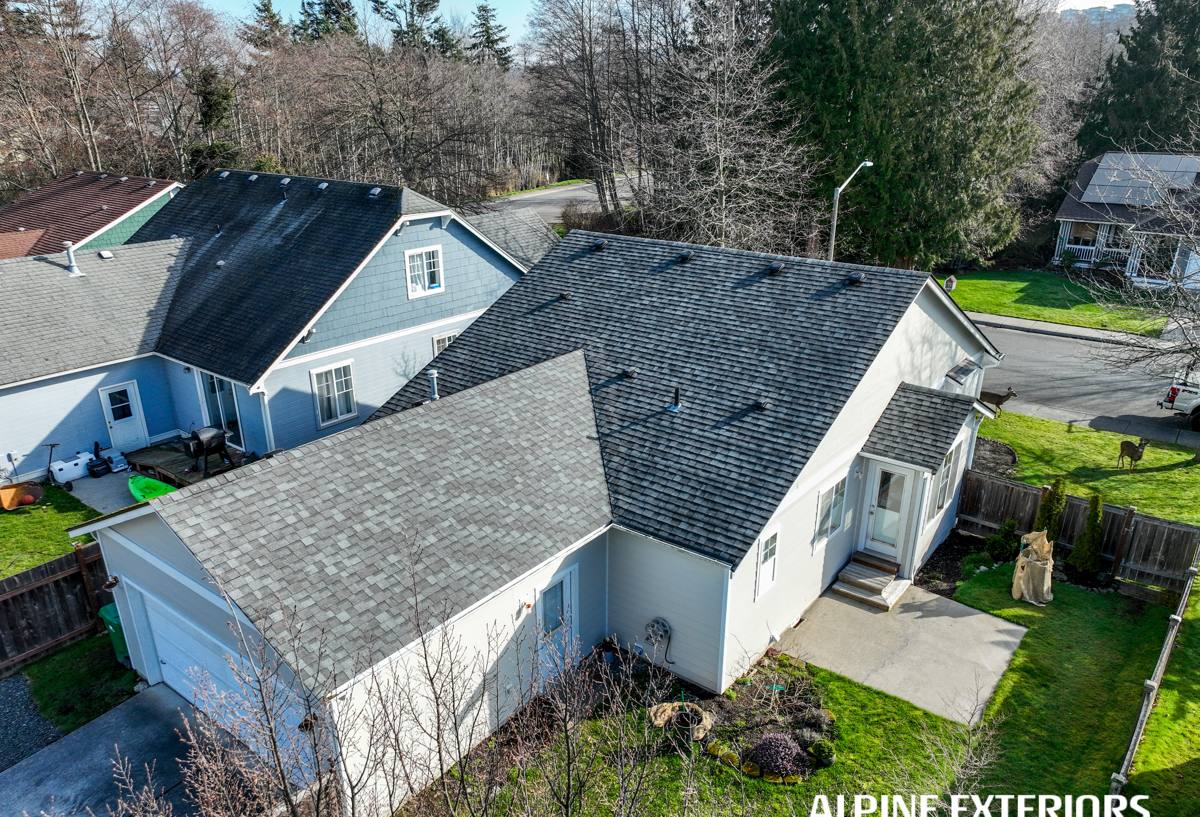
Common Roofing Problems We See in Pinellas Park Homes
UV-Damaged and Aging Shingle Roofs
Asphalt shingles lose oil and granules faster under Florida sun than in most other parts of the country. What looks like a cosmetic issue — a chalky, faded roof — is often the early sign of a shingle that's lost its flexibility and is more likely to crack or lift in the next windstorm. We look at granule loss, curling edges, and nail pop patterns to judge how much service life is actually left, rather than going by age alone.
Flat and Low-Slope Sections
Many homes in this area have a flat or low-slope section over a porch, lanai, or addition. These are more vulnerable to ponding water and seam failure than the main pitched roof, and they're often the first place a leak shows up. They need a membrane system suited to standing water and thermal movement, not a patch job borrowed from shingle materials.
Ventilation and Attic Heat
A poorly ventilated attic in this climate cooks the underside of the roof deck and shortens shingle life from below, not just from sun exposure above. We check soffit and ridge ventilation as part of any full inspection, since it's a cheap fix that has an outsized effect on how long a new roof actually lasts.
Flashing, Vents, and Fastener Corrosion
Salt air oxidizes exposed metal faster than most homeowners expect, even away from the immediate coastline. Pipe boots, drip edge, and old galvanized fasteners are common early failure points, and a leak that seems to come from "the roof" often actually starts at one of these smaller components.
Roofing Materials We Install
Material choice matters more in this climate than in milder ones, since every option trades off differently against sun, wind, and salt exposure. We walk homeowners through the honest tradeoffs rather than pushing one system for every roof.
| Material | Typical Lifespan Here | Wind Performance | Notes |
|---|---|---|---|
| Architectural asphalt shingle | 15–25 years | Good with proper nailing pattern | Most common choice; performance depends heavily on installation quality |
| Standing seam metal | 30–50 years | Excellent | Higher upfront cost, strong resale and insurance benefits |
| Modified bitumen / TPO (flat sections) | 15–20 years | Good when properly sealed | Used for porches, lanais, and low-slope additions |
| Concrete or clay tile | 30+ years | Very good structurally | Heavier; underlayment condition matters more than the tile itself over time |
Lifespan ranges above are general and depend on installation quality, ventilation, and how exposed a given roof is to sun and salt. We don't sell a material by lifespan numbers alone — how it's installed and detailed matters just as much as what it's made of.
Repair or Replace: How We Help You Decide
Not every leak or damaged section means a full roof replacement, and we don't default to recommending one. Age, extent of damage, and how many previous repairs a roof has already had all factor into the decision.
- Roof is under 10 years old with isolated damage: repair is usually the right call
- Widespread granule loss or curling across multiple slopes: replacement is often more cost-effective than repeated patching
- Multiple past repairs in different areas: a sign the underlying material is nearing the end of its service life
- Visible sagging, soft decking, or interior water stains spreading over time: needs an in-person inspection before any other decision is made
- Recent storm with wind or hail: worth an inspection even without visible leaks, since damage isn't always obvious from the ground
Inspections, Wind Mitigation, and Insurance
Florida homeowners' insurance in Pinellas County is closely tied to roof condition and age, and a wind mitigation inspection can directly affect premiums by documenting things like roof shape, deck attachment, and roof-to-wall connections. We can perform these inspections and provide the documentation insurers ask for. Separately, if a storm has passed through and you're filing a claim, we can inspect and document damage honestly — we won't manufacture damage to inflate a claim, and we won't downplay real damage either. Our job is an accurate assessment you can trust when you're dealing with an adjuster.
Beyond the Roof: Siding, Windows, and Decks
Roofs don't fail in isolation from the rest of the exterior. In this climate, the same forces — UV, wind-driven rain, and salt air — hit siding, window seals, and outdoor decking just as hard, often at the same time. A few ways these systems interact on Pinellas Park homes:
Siding
Fiber cement and quality vinyl siding hold up well against Gulf-influenced humidity and salt exposure when installed with correct flashing and clearances. Poorly flashed siding is a common hidden source of water intrusion that gets blamed on the roof.
Windows
Impact-rated windows are worth serious consideration here, both for storm protection and because they reduce solar heat gain during the long, intense summer stretch. Window and door openings are also a frequent point of water entry during wind-driven rain if flashing and sealant have aged out.
Decks
Outdoor decking takes a beating from sun and humidity cycling. Material choice and proper fastener selection (to resist the same corrosion that affects roofing components) make a real difference in how long a deck stays sound and safe.
Because we handle all of these trades, we can look at a home's exterior as one connected system rather than treating the roof, siding, windows, and deck as unrelated projects.
Why a Local Crew Matters for This Work
Roofing detail work that's correct in a drier, calmer climate can fail here within a few years — flashing laps, fastener spacing, underlayment choice, and ventilation all need to account for Pinellas County's wind and rain patterns specifically. A crew that works this area regularly also knows how local permitting and inspection processes typically run, which keeps a project moving instead of stalling on paperwork. We pull permits through the applicable local building department for Pinellas Park work and schedule inspections as part of the job, not as an afterthought.
Our Process, Start to Finish
- Free on-site inspection and honest assessment of what's actually needed
- Written estimate with material options and clear pricing factors, no pressure
- Permitting handled on our end before work begins
- Installation with attention to the flashing, fastener, and ventilation details that matter most in this climate
- Final walkthrough and cleanup, with documentation you can keep for insurance or resale purposes
Simple Maintenance That Extends Roof Life Here
A few habits make a measurable difference in how long a roof lasts under Florida conditions:
- Keep gutters and downspouts clear so wind-driven rain has somewhere to go besides pooling at the roof edge
- Trim back overhanging branches that hold moisture against shingles or drop debris into valleys
- Have the roof looked at after any named storm or major wind event, even if you don't see obvious damage
- Schedule a general inspection every couple of years, especially once a roof passes the ten-year mark
If you're in Pinellas Park and want a straight answer about where your roof, siding, windows, or deck actually stand, we're happy to take a look. The estimate is free, there's no pressure to move forward, and you'll get a clear explanation of what we find either way — just fill out the form below to get started.