 St. Petersburg Roofing
 Pinellas Point Is a Different Kind of Roofing Job
Pinellas Point sits at the southern tip of St. Petersburg, wrapped by water on more than one side. That location is part of what makes the neighborhood desirable, and it's also exactly why roofs, siding, and exterior trim here take more punishment than homes a few miles inland. Salt-laden air moves off the bay and settles on everything — fasteners, flashing, gutter hangers, even the granules on an asphalt shingle. Add in Florida's year-round UV load and the wind-driven rain that comes with every summer storm system, and you've got a combination that ages an exterior faster than most homeowners expect.
We work on homes throughout St. Petersburg and Pinellas County, and Pinellas Point is one of the areas where we spend the most time explaining why a roof or siding job failed early, rather than just replacing it. Understanding the local conditions is the first step to specifying materials and installation details that actually hold up.
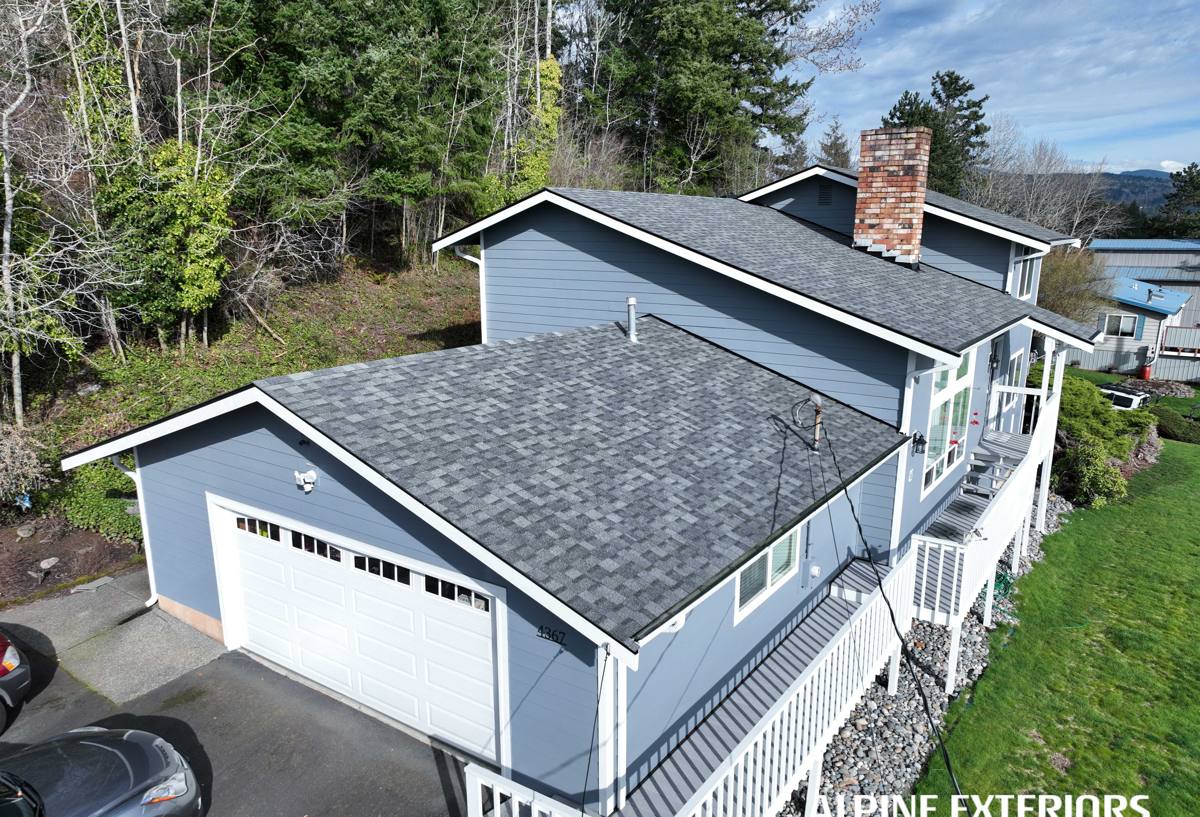
What the Climate Does to Roofs and Exteriors Here
Salt Air and Corrosion
Homes closer to open water deal with airborne salt that accelerates corrosion on exposed metal — roofing nails, drip edge, flashing, and hardware on decks and railings. Standard galvanized fasteners can start rusting years before they should. This is a material-selection issue as much as an installation one; the right corrosion-resistant fasteners and flashing cost a little more up front and save a lot of grief later.
Wind and Uplift
Pinellas County sits squarely in a hurricane-prone wind zone, and even a strong seasonal thunderstorm can produce gusts that test a roof's weakest point. Roofs don't usually fail across their whole surface — they fail at edges, ridges, and penetrations where fastening patterns or flashing details were shortcut. Proper edge metal, nailing patterns rated for our wind zone, and sealed penetrations matter more here than in most parts of the country.
UV Exposure
Florida sun is intense and consistent almost every month of the year. UV breaks down asphalt shingle oils, causes vinyl siding to fade and become brittle, and degrades sealants and caulking around windows faster than in milder climates. A roof or siding system rated for the Sun Belt will hold color and flexibility longer than one that isn't.
Wind-Driven Rain
Florida storms rarely fall straight down. Wind-driven rain gets pushed sideways and upward under laps, around window frames, and into any gap that a calmer climate's building practices might get away with ignoring. Every detail — flashing laps, window flanges, siding overlaps — has to assume the water is coming in at an angle.
Roofing Services for Pinellas Point Homes
Roof Replacement
When a roof is past the point of economical repair — widespread granule loss, multiple leak points, or age past its realistic service life — full replacement is the honest recommendation. We walk homeowners through underlayment options, fastening specs for our wind zone, and ventilation, since a roof that can't breathe properly traps heat and moisture and shortens its own lifespan.
Roof Repair
Not every issue means a new roof. Flashing failures, isolated shingle damage from a storm, or a compromised pipe boot are often fixable without touching the whole system. We assess the roof honestly and tell you which category you're in — repair or replace — rather than defaulting to the bigger job.
Roof Inspections
Pre-storm-season checks, post-storm damage assessments, and inspections tied to insurance renewals or wind mitigation credits are all common requests here. A thorough inspection covers the field of the roof, flashing, penetrations, and the attic side where leaks often show up first.
Beyond the Roof: Siding, Windows, and Decks
Siding
Siding on Pinellas Point homes has to handle the same salt air and UV load as the roof. We favor materials and installation methods that manage moisture well and hold up to sun exposure without chalking or warping prematurely. Proper house wrap, flashing at every penetration, and correctly fastened panels matter as much as the siding product itself.
Windows
Impact-rated and wind-rated windows are worth serious consideration this close to the water, both for storm protection and for the insurance and wind mitigation benefits they can provide. Correct flange sealing and flashing integration with the surrounding wall assembly is what actually keeps wind-driven rain out — the window unit is only half the equation.
Decks
Outdoor living is part of why people choose a waterfront-adjacent neighborhood like this one. Decks here need corrosion-resistant fasteners and hardware, and framing details that account for humidity and salt exposure so the structure stays sound, not just the visible boards.
Comparing Roofing Materials for a Coastal Pinellas County Home
There's no single "best" roofing material — the right choice depends on budget, how long you plan to own the home, and how much maintenance you want to take on. Here's how the common options compare for a home in this environment.
| Material | Typical Lifespan | Coastal/Wind Considerations |
|---|---|---|
| Architectural asphalt shingle | 20–30 years | Good value; choose a high wind-rated product and quality underlayment; UV-stable formulations hold color better in Florida sun |
| Metal (standing seam or panel) | 40–60 years | Excellent wind performance when installed correctly; use marine-grade or coated fasteners to manage salt-air corrosion |
| Tile (concrete or clay) | 40–50+ years | Heavy and durable; attachment method and underlayment quality determine wind performance, not just the tile itself |
| Flat/low-slope membrane | 15–25 years | Common on additions and porches; seam integrity and proper drainage slope are critical in heavy rain events |
Whatever material you choose, the installation details — fastening pattern, flashing, underlayment, and attention to edges — matter as much as the product itself in a wind and salt environment like this one.
What Actually Drives Roofing and Exterior Costs
Homeowners often assume price differences come down to the crew, but most of the variation comes from the job itself. Common cost factors we walk through with Pinellas Point homeowners:
- Roof pitch and complexity — steep or cut-up roofs take longer and cost more to work safely and correctly
- Number of layers to remove — tear-off adds labor versus a single-layer roof
- Decking condition — rotted or soft plywood found during tear-off needs replacement before new roofing goes down
- Material choice — asphalt, metal, and tile carry very different material and labor costs
- Ventilation and flashing upgrades — bringing older details up to current standards
- Access — waterfront and tightly built lots can affect staging and disposal logistics
Why a Local Crew Makes a Real Difference
A crew that works St. Petersburg and Pinellas County regularly knows which details actually matter here versus in a drier, calmer climate. That's not a marketing line — it shows up in things like which fastener grade to spec near the water, how to detail flashing for wind-driven rain, and what the local permitting and inspection process actually requires. It also means someone is reachable after a storm, not managing a job from out of state.
A Simple Maintenance Checklist for This Climate
Regular upkeep goes a long way toward protecting the investment in your roof, siding, windows, and deck. A few habits worth building into your year:
- Walk the exterior after any significant storm and look for lifted shingles, dented gutters, or loose siding panels
- Keep gutters and downspouts clear so water isn't backing up under roof edges
- Rinse salt residue off siding and exterior hardware periodically, especially closer to the water
- Check caulking and sealant around windows and doors annually — UV breaks it down faster here
- Inspect deck fasteners and hardware yearly for early signs of corrosion
- Have a professional inspection before hurricane season and again afterward if the area saw a direct storm
Insurance, Permits, and Wind Mitigation
Florida's insurance market pays close attention to roof age, material, and wind mitigation features, and that's especially true in coastal Pinellas County. A wind mitigation inspection documenting things like roof-to-wall connections, roof shape, and opening protection can affect premiums significantly. We pull the required permits and build to current wind-zone code on every job, which also gives you the documentation insurers and future buyers will ask for.
Ready to Talk About Your Pinellas Point Home?
Whether you're dealing with a leak, planning ahead for storm season, or thinking about siding, windows, or a deck project, we're happy to take a look and give you an honest read on where things stand. Reach out for a free, no-pressure estimate using the form below.