 St. Petersburg Roofing
 Roofing and Exterior Work for Snell Isle Homes
Snell Isle sits out on its own peninsula, wrapped by Tampa Bay on nearly every side, with a network of canals cutting through the interior. That geography is part of what makes the neighborhood beautiful, and it's also exactly why homes here take a different kind of beating than houses a few miles inland in St. Petersburg. Open water on multiple sides means more direct wind exposure during storms, more salt-laden air moving across roofs and siding year-round, and more humidity working against every exterior material on the house. We've worked on homes throughout Pinellas County long enough to know that a roof spec that holds up fine in a landlocked subdivision doesn't always hold up the same way out here.
This page walks through what Snell Isle's coastal peninsula setting actually does to roofs, siding, windows, and decks, and how we approach each one differently because of it.
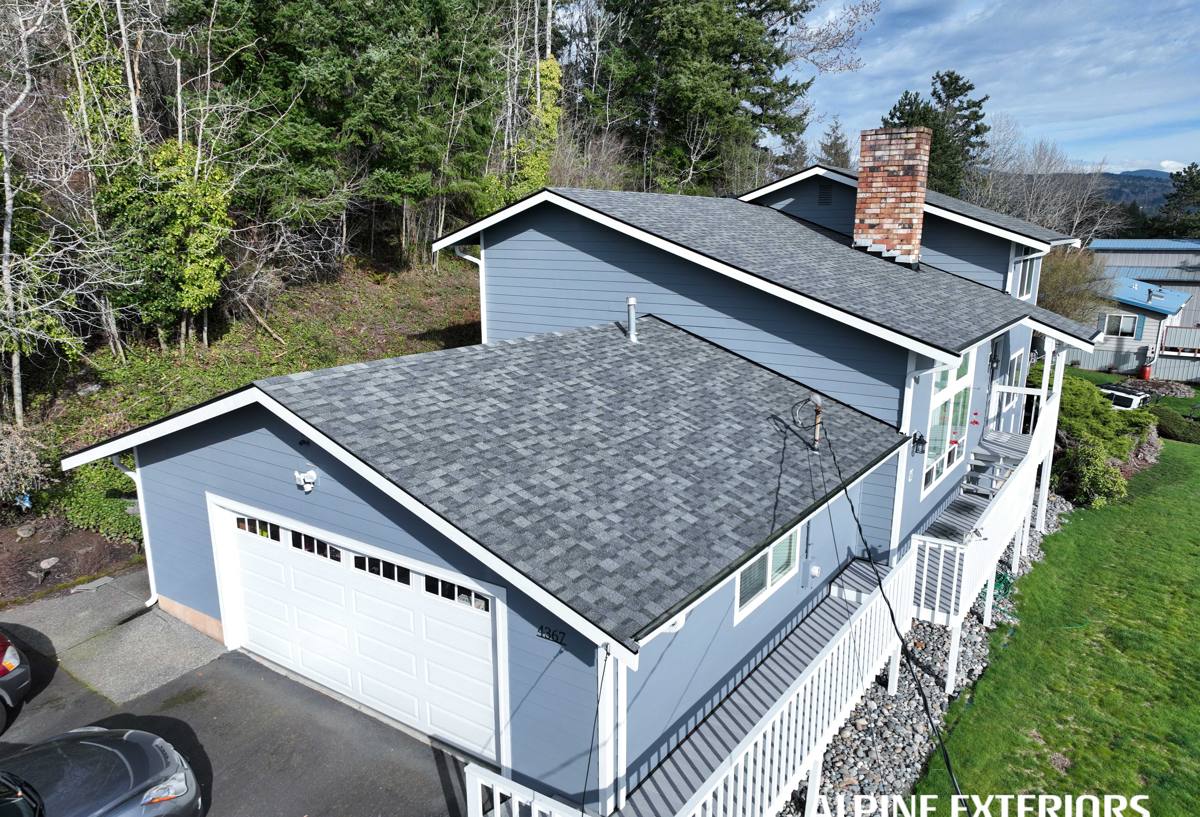
What the Climate Does to a Waterfront Home
Wind Exposure
Because Snell Isle is surrounded by open water rather than shielded by other buildings or dense tree cover on most sides, wind during tropical storms and hurricanes tends to hit harder and more directly than it does further inland. Roof edges, ridge caps, and any loose or aging flashing are the first things to fail under that kind of sustained pressure. Uplift at the perimeter of a roof is almost always where storm damage starts, not in the field of the roof itself.
Salt Air
Salt carried on the wind off the bay settles on every exterior surface — roofing metal, fasteners, window frames, railings, and siding trim. Over time it accelerates corrosion on anything that isn't rated for coastal exposure. Standard fasteners and untreated metal components will rust and stain years before they would on a home further from the water. This is one of the most common oversights we see in exterior work that wasn't built with a peninsula property in mind.
UV and Heat
Florida sun is intense everywhere in the county, but on a waterfront lot with less shade cover from neighboring structures, roofing and siding often take a fuller, more direct dose of UV all day. That accelerates the breakdown of asphalt shingle granules, causes vinyl siding to fade and become brittle faster, and stresses window seals and caulking.
Wind-Driven Rain and Moisture
Storms here don't just bring rain, they push it sideways. Wind-driven rain finds gaps that vertical rain never would — around window frames, under siding laps, through aging roof penetrations. Combined with the naturally higher humidity of a canal-front lot, that means moisture problems tend to show up faster once any weak point in the exterior envelope develops.
Roofing in Snell Isle
We install and repair asphalt shingle, metal, and tile roofing systems, and for a neighborhood like this we pay close attention to a few things beyond just the shingle or panel choice:
- Corrosion-resistant fasteners and flashing rated for coastal salt exposure, not standard-grade hardware
- Properly secured ridge caps and drip edges, since these are the first failure points in high-wind events
- Underlayment quality, since it's your backup layer if wind-driven rain gets past the roof covering
- Attic and roof ventilation, which matters more in a humid, water-adjacent environment to prevent trapped moisture
- Sealed penetrations around vents, chimneys, and any roof-mounted equipment
If your roof is due for an inspection after a storm, or you're just not sure how much life is left in it, that's worth a look before small issues turn into interior damage.
Roofing Material Comparison for Coastal Pinellas County
| Material | Wind Performance | Salt Air Durability | Typical Lifespan | Maintenance |
|---|---|---|---|---|
| Architectural Asphalt Shingle | Good, when properly fastened and rated | Moderate — granule loss accelerates near open water | 15-25 years | Periodic inspection, especially after storms |
| Standing Seam Metal | Excellent | Good with coastal-rated coatings and fasteners | 30-50 years | Low, occasional fastener/seam check |
| Concrete or Clay Tile | Very good when installed to current wind codes | Good, tile itself resists salt well | 40-50+ years | Moderate, watch for cracked or slipped tiles |
There's no single "right" material for Snell Isle — it depends on your home's style, roof pitch, budget, and how long you plan to own the property. We'll walk through the honest trade-offs for your specific roof rather than pushing one system for every house.
Siding for Wind and Salt Exposure
Siding on a waterfront lot has to do two jobs at once: keep wind-driven rain out and hold up to constant salt and UV without fading or warping. We install fiber cement and vinyl siding systems, and for homes closer to the water we generally steer clients toward fiber cement or well-detailed vinyl installations with proper flashing and moisture barriers behind them, rather than cutting corners on the parts you don't see once the siding is up. The house wrap, flashing tape, and seams behind the siding matter as much as the siding material itself — that's where wind-driven rain actually gets stopped or gets in.
We also pay attention to fastener spacing and type on siding jobs here specifically because standard nails and staples corrode faster this close to open water, and a corroded fastener is a loose panel waiting to happen in the next storm.
Windows That Hold Up to Wind-Driven Rain
Older or improperly sealed windows are one of the most common sources of water intrusion we find on waterfront homes during and after storms — not because the glass fails, but because the seal around the frame does. For Snell Isle homes we focus on:
- Impact-rated or properly protected windows appropriate for your flood/wind zone
- Correct flashing and sealant integration with the surrounding wall assembly, not just caulk around the frame
- Weep hole maintenance, since clogged weep holes trap water against the frame and sill
- Frame material suited to salt exposure — some aluminum and vinyl frames hold up better than others over time near the bay
Replacing a window is straightforward. Replacing a window correctly so it doesn't leak during the next wind-driven rain event is where the actual work is.
Cost Factors for Exterior Projects Near the Water
| Factor | Why It Matters Here |
|---|---|
| Wind zone rating requirements | Peninsula and coastal properties often fall under stricter code requirements than inland lots |
| Corrosion-resistant materials | Coastal-rated fasteners, flashing, and hardware cost more than standard grade but last significantly longer |
| Access and lot layout | Waterfront and canal-front lots sometimes have tighter access for equipment or staging |
| Existing damage or hidden moisture | Homes exposed to more wind-driven rain over the years may have deferred issues found once work begins |
| Permitting | Roofing, siding, and window work typically requires permitting through the City of St. Petersburg or Pinellas County depending on scope |
Decks in a Salt Air Environment
A lot of Snell Isle properties back up to a canal or open water, and decks, dock walkways, and outdoor living spaces take a constant beating from humidity, salt spray, and sun that inland decks simply don't face. Wood decking near the water needs more frequent sealing and inspection for rot at fastener points and ground contact areas. Composite decking holds up to moisture better and doesn't need staining, but framing and fastener choices underneath still matter — galvanized or stainless hardware belongs under any deck this close to open water, full stop. We build and repair both wood and composite decks and are upfront about the maintenance difference between them before you decide.
Why a Local Pinellas County Crew Matters Here
Exterior work on a waterfront peninsula isn't the same job as exterior work five miles inland, even though it's the same city. A crew that works across St. Petersburg and Pinellas County regularly sees the difference firsthand — which fastener grades actually hold up near the bay, which flashing details keep wind-driven rain out during a real storm, and which permitting requirements apply to a specific flood or wind zone. That's knowledge that comes from doing the work here repeatedly, not from a generic spec sheet. We also know the local permitting process for the City of St. Petersburg, which keeps projects moving instead of stalling on paperwork.
A Simple Pre-Storm Season Checklist for Snell Isle Homeowners
- Have your roof inspected annually, and always after any significant wind event
- Check that ridge caps, flashing, and drip edges are secure, especially before hurricane season
- Look at siding for cracking, warping, or loose panels, particularly on the side of the house facing open water
- Test window and door seals for gaps or failed caulking
- Clear weep holes and drainage paths on windows and doors
- Inspect deck fasteners and framing for rust or rot, especially near ground contact or water-facing edges
- Keep gutters and downspouts clear so water moves away from the roofline and foundation instead of pooling
Getting Started
If you're dealing with a roof that's due for replacement, siding that's taken visible sun and salt damage, windows that leak during wind-driven rain, or a deck that needs attention, we're happy to take a look and give you a straight answer about what's actually needed versus what can wait. Reach out for a free, no-pressure estimate using the form below, and we'll walk your property with Snell Isle's specific exposure in mind.