 St. Petersburg Roofing
 Exterior Wear and Tear in a Waterfront Pinellas County Community
Gulfport sits right on Boca Ciega Bay, and that waterfront location shapes almost everything about how a home ages here. Salt-laden air moves in off the water daily, humidity stays high for most of the year, and the mature tree canopy that gives the town so much of its character also means more shade-driven moisture retention on roofs and siding, along with the occasional branch or debris strike during storms. Add in the intense, near year-round Florida UV exposure and the wind-driven rain that comes with tropical systems and seasonal thunderstorms, and you have a climate that is genuinely hard on a home's exterior.
A lot of the housing stock in and around Gulfport is older — bungalows, mid-century block homes, and properties that have been added onto or renovated over the decades. That's part of the neighborhood's charm, but it also means roofs, siding, and windows are often working past their original service life, or were repaired at some point with materials and methods that don't hold up well to what Pinellas County weather delivers today. We work on those homes regularly, and we pay attention to the small details — flashing, fastening patterns, drainage paths — that matter more on an older structure than a new build.
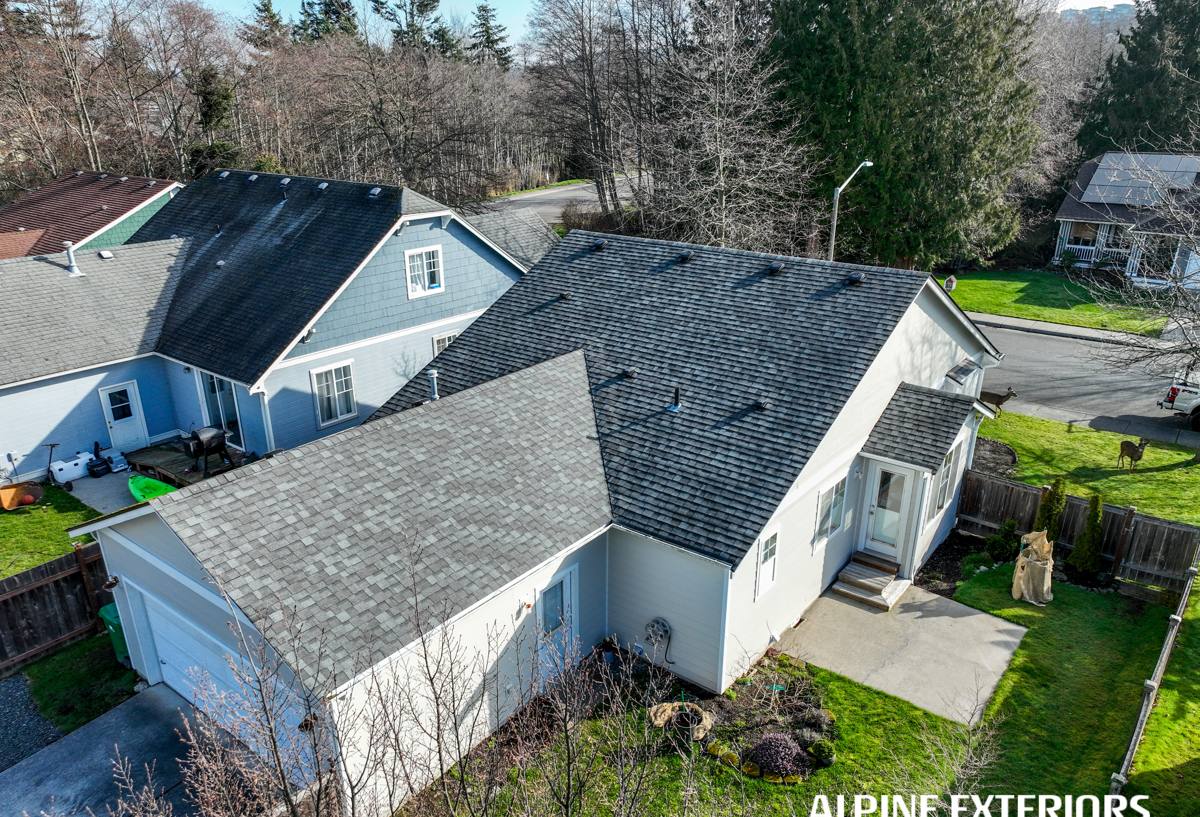
Roofing Built for Bay-Area Exposure
Inspection and Repair
Most roofing problems in this area don't start as leaks — they start as small failures at flashing, pipe boots, ridge caps, or valleys that get worse with every rain event and every UV cycle. We inspect these areas specifically because they're the most common failure points on homes exposed to salt air and wind-driven rain. Catching a lifted shingle or a cracked pipe boot early is a far smaller repair than dealing with the wood rot and interior damage that follows months of undetected moisture intrusion.
Full Roof Replacement
When a roof is past the point where repair makes sense — widespread granule loss, multiple past repairs, age near or beyond its rated life, or storm damage that affects a large portion of the field — replacement is the honest recommendation. We evaluate the whole system: decking condition, ventilation, underlayment, and flashing details, not just the visible shingles or panels. A roof is only as good as what's underneath it, and on older Gulfport homes, decking condition is frequently the deciding factor in scope and cost.
Material Considerations for This Climate
Architectural asphalt shingles rated for high wind remain a solid, cost-effective choice for most homes here, provided they're installed with the fastening pattern and underlayment appropriate for coastal wind exposure. Metal roofing holds up exceptionally well against wind uplift and UV degradation over the long run and is a strong option for homeowners planning to stay long-term or wanting to reduce future maintenance. We'll walk through the real trade-offs — upfront cost, expected lifespan, maintenance needs, and how each performs specifically against salt air and hurricane-force wind — rather than steering you toward one product across the board.
Siding That Can Take Salt Air
Siding on a bay-adjacent home has to manage two things at once: constant UV exposure that fades and degrades lesser materials, and salt-laden moisture that finds every gap, seam, or fastener point that wasn't sealed correctly. We favor fiber cement and quality vinyl systems installed with proper flashing and moisture barriers behind them, because the assembly behind the siding matters as much as the siding itself. We're deliberate about avoiding wood-based or lower-grade composite products in this application — not because any one product is inherently bad, but because in a high-humidity, salt-exposed environment they demand a level of ongoing maintenance and repainting that most homeowners don't want to sign up for, and moisture behind an improperly sealed installation can cause hidden rot long before it's visible from outside.
Signs Your Siding Needs Attention
- Bubbling, warping, or soft spots when pressed
- Visible gaps or separation at seams and corners
- Chalky residue or significant fading beyond normal weathering
- Discoloration or staining that suggests moisture behind the panels
- Cracked or missing caulk around windows, doors, and trim
Windows for Coastal Wind and UV Exposure
Older single-pane or original-to-the-home windows are common on Gulfport's vintage housing stock, and they tend to underperform on two fronts: energy efficiency and wind resistance. Impact-rated and high-performance window options reduce the risk of wind-driven rain intrusion during storms and cut down on the UV heat gain that drives up cooling costs through Florida's long warm season. For homes closer to the water, window and door openings are also one of the more common points of storm-related water intrusion when older frames and seals have degraded, so we look closely at flashing and sealant condition, not just the glass itself, when we assess a home's windows.
Decks and Outdoor Living Near the Bay
Gulfport's waterfront lifestyle means outdoor living space matters — decks, porches, and patios get real use here. That same proximity to the water means deck structures face constant humidity, salt exposure, and UV, which accelerates wear on fasteners, ledger connections, and any wood components. We build and repair decks with attention to the structural connections that tend to fail first in this environment — ledger board attachment, joist hangers, and post bases — along with decking materials suited to coastal humidity, whether that's a quality treated wood system maintained on a regular schedule or a composite product chosen for lower long-term upkeep.
Comparing Common Exterior Materials for Gulfport Homes
| Component | Typical Concern in This Climate | What We Prioritize |
|---|---|---|
| Roofing | Wind uplift, UV degradation, flashing failure | High-wind fastening, quality underlayment, flashing detail |
| Siding | Salt-driven moisture intrusion, UV fading | Moisture barrier integrity, sealed seams, durable material |
| Windows | Wind-driven rain intrusion, heat gain, aging seals | Impact rating where appropriate, proper flashing, tight seals |
| Decks | Fastener corrosion, ledger/connection wear | Structural connection integrity, climate-appropriate materials |
What Drives Cost on a Gulfport Exterior Project
Every home is different, but a few factors consistently move the price on roofing, siding, window, and deck work in this area:
- Roof or wall size and complexity (pitch, number of facets, valleys, dormers)
- Condition of what's underneath — decking, sheathing, or structural framing
- Number of existing layers or systems that need to be removed first
- Access — waterfront lots, mature trees, and narrower older-neighborhood lot lines can affect logistics
- Material choice and the level of wind/impact rating required
- Permit and inspection requirements through Pinellas County or the City of Gulfport
We give straightforward, itemized estimates so you can see exactly what's driving the number — we don't believe in vague lump-sum quotes on exterior work.
Our Process, Start to Finish
We start with an in-person inspection, not a drive-by guess. That means getting on the roof when needed, checking siding and trim for hidden moisture, and testing window and door seals rather than assuming based on age alone. From there we walk you through what we found, what's optional versus what genuinely needs attention, and the material and timeline options that fit your situation. Work is scheduled around Florida's weather patterns where possible, and we clean up thoroughly at the end of every job — debris, fasteners, and packaging don't get left behind.
A Homeowner's Post-Storm Exterior Checklist
After any significant wind or rain event, a quick visual check can catch problems before they become expensive ones:
- Look for missing, lifted, or cracked shingles or panels from the ground
- Check gutters and downspouts for granule buildup or debris blockage
- Inspect siding for new gaps, cracks, or loose sections
- Look for water stains on interior ceilings or around window frames
- Check deck boards and railings for looseness after high winds
- Note any new soft spots, discoloration, or odd smells that could indicate hidden moisture
Why a Local Crew Makes a Difference
A contractor who works regularly in St. Petersburg and Pinellas County understands how Gulfport's specific mix of older housing stock, waterfront exposure, and mature tree cover affects an exterior differently than a home a few miles inland. We know what permitting and inspection typically involve locally, we understand the wind and moisture demands this specific stretch of coastline places on materials, and we're not learning the area on your project. That local familiarity shows up in fewer surprises, more accurate estimates, and repairs built to actually hold up to the next storm season.
If you're noticing wear on your roof, siding, windows, or deck — or just want an honest assessment before a small issue becomes a bigger one — we're happy to take a look. Reach out for a free, no-pressure estimate using the form below.