 St. Petersburg Roofing
 New-Construction Windows for Gulfport: Getting It Right the First Time
When you're building new in Gulfport, the windows you choose and how they're installed become part of the structure itself. New-construction windows are set into open framing before the exterior finish goes on, with a nailing flange that ties directly into the house wrap and flashing system. That's very different from a replacement window dropped into an existing opening, and it's a distinction worth understanding before you sign off on a window package for your build.
Get this stage wrong and the mistake gets buried behind stucco or siding, where it won't show up until there's a leak, a soft spot in the wall, or a window that won't hold up in the next storm. Get it right, and the windows become one of the most durable, low-maintenance parts of the house for decades.
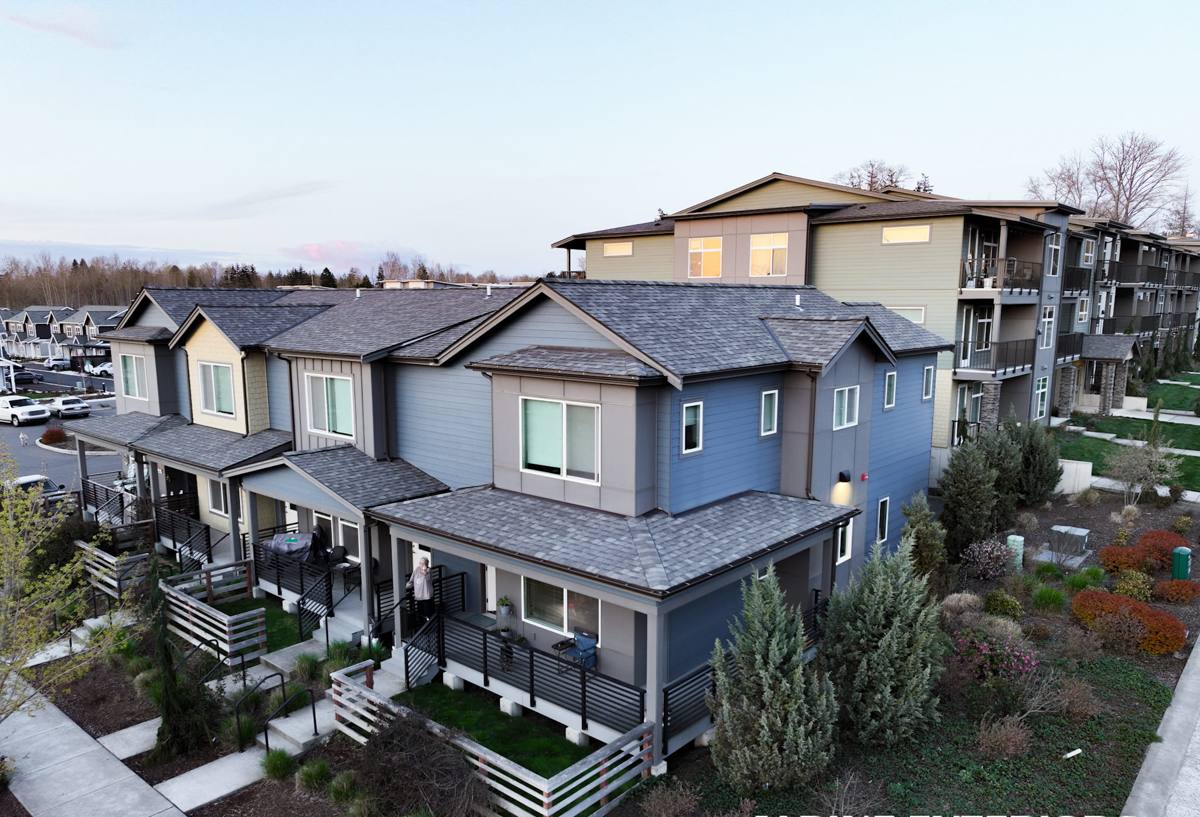
What Gulfport's Climate Demands From a New Window Install
Gulfport sits on the water along Boca Ciega Bay in Pinellas County, which means new construction here has to account for a specific combination of stresses that inland builds don't see to the same degree:
- Hurricane-force wind: Pinellas County sits in a Florida Building Code wind zone that requires windows rated for high design pressures, with glazing engineered to resist both sustained wind loads and wind-borne debris impact.
- Intense, year-round UV: Florida sun degrades low-grade vinyl, weakens seals, and breaks down cheap weatherstripping faster than in most of the country. Frame material and glass coatings matter more here than in milder climates.
- Wind-driven rain: During tropical systems and even routine summer storms, rain doesn't just fall — it's pushed sideways into the wall assembly. The flashing and sealant details around a new-construction window are what keep that water out of the framing.
- Salt air: Being close to the bay means airborne salt accelerates corrosion on hardware, fasteners, and lower-grade aluminum components. Materials and hardware choices need to account for that from day one, not after the first rust stains appear.
None of these factors are unique to Gulfport, but the combination — waterfront exposure plus hurricane wind zones plus year-round UV — is exactly why a generic, big-box window package isn't the same as one specified and installed for this location.
Code and Product Approval Requirements for New Builds in Pinellas County
New-construction windows in Pinellas County have to meet Florida Building Code wind-load and impact requirements for the property's specific wind zone, which varies depending on how close the lot sits to the water and the surrounding terrain. Every window installed has to carry a valid Florida product approval or Miami-Dade Notice of Acceptance (NOA) rating that matches or exceeds the design pressures required for that address — not just a generic "hurricane rated" label.
On a new build, window installation is also an inspected part of the construction process. The local building department typically wants to see the product approval documentation, verify the window is installed per the manufacturer's tested installation instructions, and confirm flashing and rough opening details before the wall gets closed up. Skipping or rushing that documentation trail can cause delays at final inspection or, worse, create problems when the home is sold and a buyer's inspector or insurer asks questions the paperwork can't answer.
Energy code also comes into play. Florida's energy code sets maximum U-factor and Solar Heat Gain Coefficient (SHGC) limits for new construction, which affects which glass packages are actually compliant — not just which ones look good on a spec sheet.
What we confirm before a single window goes in
- Correct design pressure rating for the specific lot and wind zone
- Valid, matching Florida product approval or NOA documentation
- Rough opening dimensions and squareness against the approved window schedule
- Compatible flashing and house wrap sequencing with the builder's exterior finish plan
- Energy code compliance for U-factor and SHGC on the glass package selected
Choosing a Window Product for a Gulfport New Build
There's no single "best" window for every project — it depends on budget, the home's design, and how close the lot sits to open water. Here's how the common options compare for new construction in this area:
| Frame Material | Coastal Durability | Maintenance | Typical Fit |
|---|---|---|---|
| Vinyl (quality, UV-stabilized) | Good; won't corrode, but heat expansion must be accounted for in install | Low | Most standard new builds, strong value |
| Aluminum | Strong structurally, but needs corrosion-resistant hardware and finish near the bay | Moderate | Larger openings, modern architecture |
| Fiberglass | Excellent; very stable in heat and salt exposure | Low | Higher-end builds, long-term durability priority |
| Impact glass upgrade (any frame) | Best wind-borne debris protection | Low | Recommended for most Gulfport wind zones |
We'll walk through which combination actually fits your build's wind zone requirement, budget, and architectural style rather than pushing a single product line. In a lot of cases, impact-rated glass on a solid vinyl or fiberglass frame gives new-construction homeowners the best balance of storm protection, energy performance, and long-term upkeep — without the corrosion sensitivity that lower-grade aluminum can develop near the water.
What a Correct New-Construction Installation Actually Involves
The window unit itself is only part of the job. The installation sequence around it is what determines whether the assembly actually performs in wind-driven rain and hurricane wind over the life of the house. On a new build, that sequence typically includes:
- Verifying the rough opening is square, correctly sized, and structurally prepared per the window manufacturer's specs
- Installing sill pan flashing to direct any water that gets past the window back outside the wall assembly
- Integrating the window's nailing flange with the house wrap in the correct shingle-lap order, so water sheds outward at every layer
- Sealing and fastening per the manufacturer's tested installation instructions — this is what keeps the product approval rating valid
- Applying corrosion-resistant fasteners and flashing tape rated for coastal, high-UV exposure
- Final sealant detailing at the interior and exterior trim lines
Every one of those steps has to happen in the right order and before the exterior finish covers it up. A window that's a great product on paper but installed out of sequence — flashing lapped backward, sealant skipped at a corner, fasteners that don't match the tested assembly — can fail in exactly the wind-driven rain conditions Gulfport gets during storm season, regardless of how good the glass rating is.
Our Process for New-Construction Window Work
For a new build or addition, we work directly with the homeowner, builder, or general contractor to make sure windows are specified correctly from the start and installed without holding up the schedule:
- Plan review: we look at the architectural window schedule against the property's required wind zone and design pressure before ordering anything.
- Product selection: we walk through frame material, glass package, and impact rating trade-offs so the choice fits the budget and the build, not just a catalog default.
- Scheduling with the build sequence: windows go in at the right point relative to house wrap, framing inspection, and exterior finish work, so we're not fighting other trades or creating rework.
- Installation to manufacturer specification: flashing, fastening, and sealant details are done to the tested assembly, which is what keeps the product approval and warranty valid.
- Documentation: we keep product approval paperwork and installation records organized for inspection and, later, for insurance or resale purposes.
Why It Matters That We Already Work in Gulfport
New-construction window work isn't just about the product — it's about knowing the local permitting process, the wind zone maps that apply to Pinellas County lots, and how waterfront proximity changes the design pressure requirement from one street to the next. A crew that's already pulled permits and passed inspections in this area knows what the local building department expects to see and won't be learning that on your project's timeline.
Gulfport's older, walkable streets and mix of lot sizes also mean access, staging, and coordination with other trades on a jobsite often takes more planning than a build in a wide-open new subdivision. Familiarity with the area — not just the code book — is part of what keeps a new-construction window install on schedule and done correctly the first time.
Cost Factors to Expect
New-construction window costs vary by opening size, frame material, and glass package, but the main factors that move the price are consistent across most Gulfport builds:
| Factor | Why It Affects Cost |
|---|---|
| Design pressure / wind zone rating required | Higher-rated assemblies and glass cost more but are non-negotiable for the location |
| Frame material | Vinyl is typically the most economical; fiberglass and premium aluminum run higher |
| Impact glass vs. standard glass with shutters | Impact glass costs more upfront but removes the need for separate storm protection |
| Window size and quantity | Larger openings and more units increase both material and labor costs |
| Energy performance glass coatings | Low-E and higher-performance coatings add cost but reduce cooling loads long-term |
We're happy to walk through actual numbers for your specific plan set rather than quote in the abstract — every build is different once the window schedule and wind zone are known.
If you're building new or adding on in Gulfport and want windows specified and installed correctly from day one, we'll come look at your plans and give you a straightforward, no-pressure estimate — just fill out the form below.