 St. Petersburg Roofing
 Roofing in Historic Old Southeast: What Makes This Neighborhood Different
Historic Old Southeast sits among St. Petersburg's older, established residential pockets, where homes span decades of architectural styles and roof ages. That mix matters more than most homeowners realize. A roof installed in the 1990s behaves very differently under hurricane-force wind gusts than one installed last year to current Florida Building Code standards. When we work in this part of Pinellas County, the first thing we're assessing isn't just "how does the roof look" — it's "how does this specific roof, on this specific house, actually perform against wind uplift, wind-driven rain, and the kind of prolonged UV exposure that defines a Florida roof's real lifespan."
Older neighborhoods like this one often have a patchwork of roofing history: some homes have been re-roofed more recently, others still carry original decking, older nailing patterns, or ventilation setups that were standard practice at the time but wouldn't pass inspection today. None of that is a knock on the homeowner — it's just what happens over 30, 40, or more years of Florida sun and storms. Our job is to evaluate what's actually there, not assume, and give a straight answer about what's sound and what needs attention.
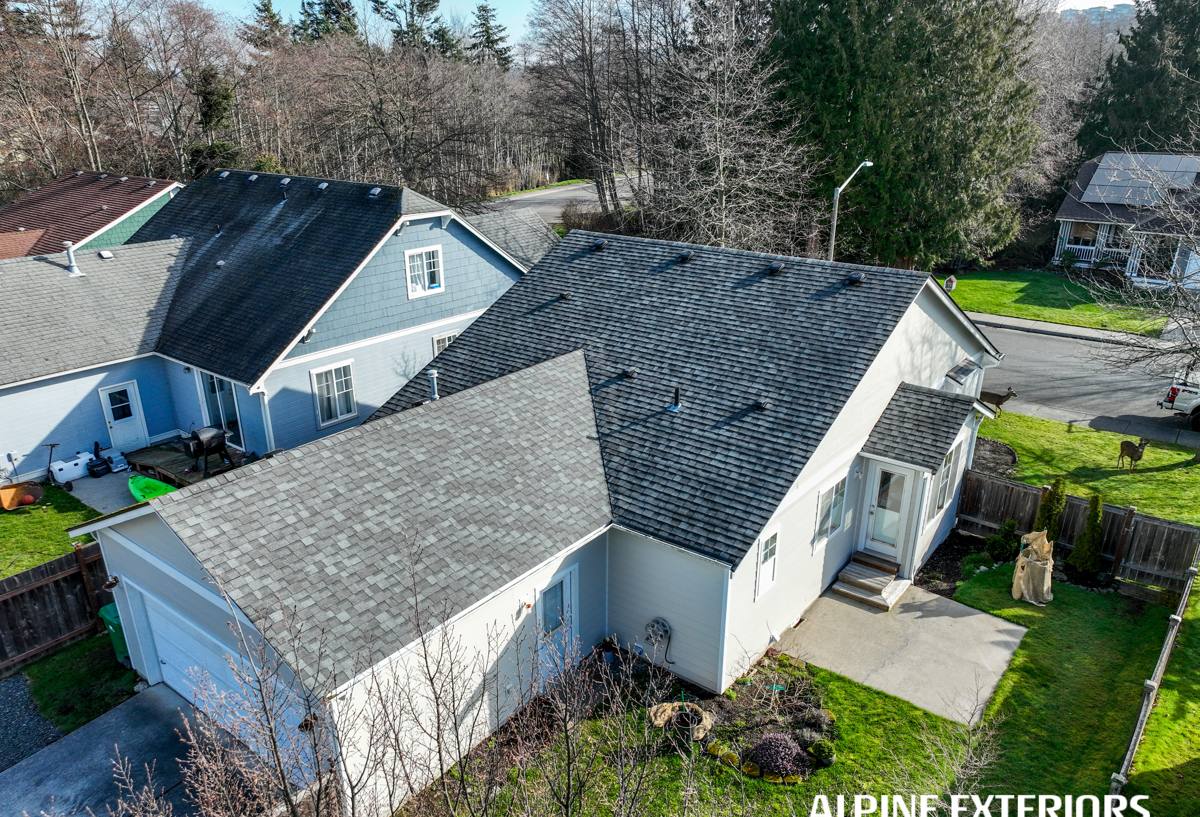
What Coastal Pinellas County Weather Does to a Roof Over Time
St. Petersburg roofs deal with a combination of stressors that inland homes simply don't face to the same degree. Understanding each one helps explain why certain materials, fastening methods, and maintenance habits matter more here than in most of the country.
Hurricane-Force Wind
Wind uplift is the single biggest structural threat to a Pinellas County roof. Shingles, tiles, and metal panels are all rated for wind resistance, but the rating only holds if the underlying installation — nailing pattern, sealant strip activation, fastener count, underlayment attachment — was done correctly in the first place. A roof that looks fine in calm weather can still have marginal wind resistance if it was installed to minimum code rather than to a standard built for storm survivability.
Wind-Driven Rain
Straight-down rain is rarely the problem. Rain that's being driven sideways by 40-60 mph gusts finds every gap in flashing, every under-lapped shingle course, and every aging pipe boot. This is why flashing detail work around chimneys, skylights, valleys, and roof-wall intersections matters as much as the field of the roof itself — and why a roof can pass a casual visual inspection while still being vulnerable during an actual storm event.
Year-Round UV Exposure
Florida doesn't get a winter break from sun the way northern states do. Asphalt shingle granules, tile sealants, and metal roof coatings all break down faster under nearly constant UV load. This accelerates the aging curve on every roofing material we install or service, which is part of why manufacturer warranty periods and real-world Florida lifespans don't always match what a homeowner might expect from national averages.
Salt Air and Coastal Corrosion
Proximity to the Gulf and Tampa Bay means airborne salt is a constant, low-level factor for exposed metal — fasteners, flashing, gutter systems, and vents. Non-rated or poorly coated metal components corrode faster here, which is why fastener and flashing material selection is a real decision point on every project we scope in this area, not an afterthought.
Roof Replacement: What Actually Goes Into a Sound Install
A roof replacement in Historic Old Southeast isn't just "old shingles off, new shingles on." Done right, it addresses the deck, the underlayment, the flashing, and the ventilation as a system, because each one affects how the others perform in a wind and rain event.
- Deck inspection: Every section of decking gets checked for soft spots, delamination, or water staining once the old roofing material is removed — problems that are invisible from the surface.
- Underlayment upgrade: Self-adhering, high-wind-rated underlayment at eaves, valleys, and penetrations adds a real second line of defense against wind-driven rain intrusion.
- Fastening to spec: Nailing patterns and fastener counts are matched to the wind zone requirements for this part of Pinellas County, not just minimum code allowances.
- Flashing detail: New flashing at chimneys, walls, skylights, and valleys rather than reusing old flashing that may have lost its seal integrity.
- Ventilation check: Proper intake and exhaust airflow reduces attic heat buildup and moisture, which extends the life of the roofing material from underneath.
Roof Repair: Knowing When to Fix vs. When to Replace
Not every roof issue in an older St. Petersburg home means a full replacement. Isolated flashing failures, a handful of wind-damaged shingles, or a single deteriorated pipe boot are often legitimate repairs — provided the rest of the roof system is structurally sound and the shingles aren't so far past their service life that new material won't match or seal properly against the old.
Where it gets more complicated is when repeated small leaks have already caused hidden deck damage, or when a roof is old enough that patch repairs are essentially delaying an inevitable full replacement by a year or two at real cost. We'll tell you honestly which situation you're in rather than defaulting to the more expensive option.
Common Repair Triggers We See in Older Neighborhoods
| Issue | Typical Cause | Usually Repairable? |
|---|---|---|
| Isolated shingle loss after a storm | Wind uplift on a small section | Yes, if surrounding shingles are still flexible and sealed |
| Ceiling stain near a chimney or skylight | Failed or aged flashing | Yes, flashing repair or replacement |
| Granule loss and widespread curling | UV aging across the whole roof | Usually not — signals full replacement is near |
| Leaks at multiple, unrelated points | System-wide underlayment or deck failure | Rarely — replacement is typically more cost-effective |
| Rusted or corroded metal flashing/fasteners | Long-term salt air exposure | Yes, if isolated; check surrounding area for hidden corrosion |
Beyond the Roof: Siding, Windows, and Decks in the Same Climate
We don't treat the roof as an isolated system, because Florida weather doesn't treat it that way either. The same wind, rain, and UV load that stresses a roof affects siding, window seals, and exterior decking on the same home, often on a similar timeline.
Siding
Wind-driven rain that finds a gap in roof flashing often shows up next as moisture intrusion behind siding at the roofline. When we're already on a roof for an inspection or repair, we'll flag visible siding issues at the interface points — trim, soffit, fascia — because those transition areas are where roof and siding problems tend to originate together.
Windows
Older homes in this area may still have original or early-replacement windows that weren't rated for current coastal wind and impact standards. Window seal failure and frame deterioration accelerate under the same UV and salt air conditions affecting the roof, and impact-rated upgrades contribute to the whole envelope's storm performance.
Decks
Exterior decks take a direct hit from sun and rain with no roof overhead to shield them. Fastener corrosion, board cupping, and ledger board water intrusion are the deck equivalent of the flashing and fastener issues we watch for on roofs — and for older homes, deck ledger attachment to the house is worth checking as part of an overall exterior assessment.
Why a Local Crew Matters for This Neighborhood
Working roofs in St. Petersburg and across Pinellas County day in and day out means we're familiar with the age range of homes typical to established neighborhoods like Historic Old Southeast, the local permitting and inspection process, and the wind zone requirements that apply to this specific part of the coast. That's different from a crew that mainly works inland or out of state and treats every Florida job the same as a job in a milder climate.
A local crew is also the one that's still reachable a year after the job is done — for a warranty question, a post-storm inspection, or a follow-up on a repair. That accountability matters more in coastal Florida than almost anywhere, given how much wear a roof takes in a single storm season.
What to Expect From an Honest Estimate
- A visual and, where needed, attic-side inspection — not just a driveway assessment
- A clear explanation of what's driving any recommendation, repair or replacement
- Straightforward material options with honest trade-offs, not upselling
- A written scope covering flashing, ventilation, and fastening details — not just "shingles"
- No pressure to sign same-day
Maintenance: The Cheapest Way to Extend Roof Life Here
Given the pace of wear that hurricane-force wind, UV, and salt air create on a Gulf coast roof, routine maintenance isn't optional the way it might be in a milder climate — it's the most cost-effective thing a homeowner can do. A biannual visual check, especially after storm season, catches small flashing or fastener issues before they become deck damage or interior leaks.
Simple Habits That Help
- Keep gutters and downspouts clear so water isn't backing up under roof edges
- Trim back overhanging branches that can abrade shingles or tile in high wind
- Have the roof checked after any named storm that produced sustained high winds locally
- Watch for granule buildup in gutters, an early sign of shingle wear
- Address small leaks immediately rather than waiting for a bigger, more obvious sign
Getting Started
Whether you're dealing with a known leak, storm damage, an aging roof you want assessed honestly, or you're planning ahead on siding, windows, or a deck alongside roofing work, we're happy to take a look and give you a straight assessment. If you're in Historic Old Southeast or elsewhere in St. Petersburg and Pinellas County, reach out for a free, no-pressure estimate using the form below.