 St. Petersburg Roofing
 Exterior Work Built for Old Northeast Homes
Old Northeast sits close enough to Tampa Bay that its homes feel every bit of what Pinellas County weather throws at them. The tree canopy and older housing stock give the neighborhood real character, but that same age means a lot of roofs, siding runs, window units, and decks are due for honest evaluation rather than a quick patch. St. Petersburg Roofing Co works this area regularly, and we approach every property here the same way: figure out what the climate has actually done to the structure, not just what's visible from the curb.
Homes in this part of St. Petersburg run the gamut from older bungalows with original wood-frame construction to newer renovations and infill builds. That mix matters. A 1920s home with updated additions often has two or three different roofing generations and siding transitions under one roofline, and each of those transitions is a place where water intrusion likes to start. We look at the whole envelope, not just the obvious trouble spot.
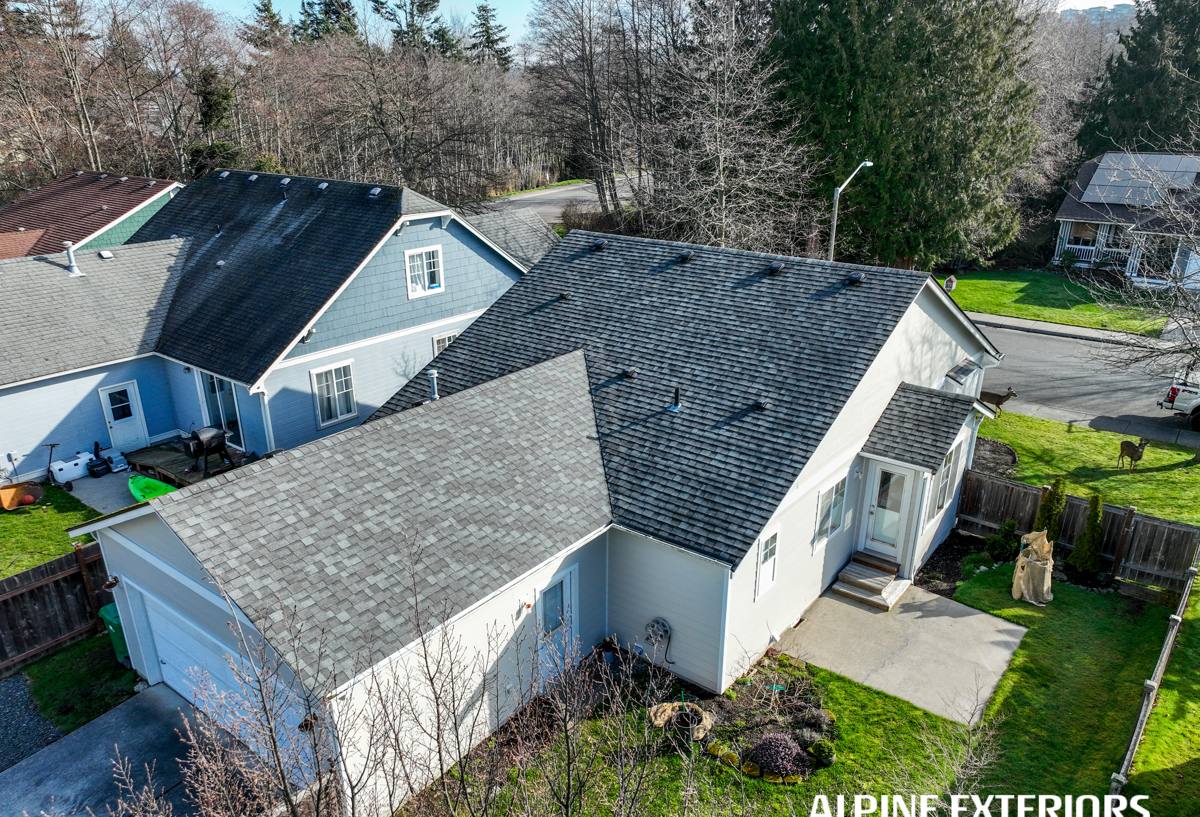
What Pinellas County Climate Does to a Home's Exterior
Every coastal Florida neighborhood deals with the same core stresses, but Old Northeast's proximity to the water and its established tree cover shape how those stresses show up locally.
Hurricane-Force Wind and Wind-Driven Rain
Wind uplift is the single biggest threat to a roof system here. It doesn't take a direct hit for a storm to do damage — sustained tropical-storm-force wind can work shingles and flashing loose over a single season if fasteners or seals are already weak. Wind-driven rain compounds the problem because it pushes water sideways and upward under laps and flashing that were only ever designed to shed water moving straight down. That's why proper fastening patterns, sealed laps, and correctly lapped flashing matter more here than in inland markets.
Year-Round UV Exposure
Florida doesn't give roofing and siding materials an off-season. UV breaks down asphalt shingle oils, dries out sealants, and fades and embrittles vinyl and composite siding over years of constant exposure. Materials rated for northern climates often underperform here simply because they were never tested against this much sun.
Salt Air
Old Northeast isn't beachfront, but it's close enough to the bay that salt-laden air is a real factor, especially on the neighborhood's western and southern edges. Salt accelerates corrosion on exposed metal fasteners, flashing, and gutter hardware, and it can leave a film on siding and windows that traps moisture against the surface if it's never rinsed off.
Humidity and Afternoon Storms
Frequent, fast-moving summer storms mean roofs and siding go through repeated wet-dry cycles. Poor ventilation or trapped moisture behind siding doesn't just risk rot — it creates ideal conditions for mold and mildew, which are common complaints we hear from homeowners in shaded, tree-covered lots.
Roofing Services in Old Northeast
We handle full roof replacements, repairs, and inspections, and we size the recommendation to the actual condition of the roof rather than defaulting to a full tear-off every time.
Inspections and Repairs
A roof inspection here should cover flashing at every wall and roof transition, valleys, pipe boots, and the ridge — these are the points that fail first under wind and UV stress. Repairs that address the actual failure point (a cracked pipe boot, lifted shingle tabs, deteriorated flashing sealant) can add years to a roof's life without the cost of full replacement.
Full Replacement
When a roof is past the point of reasonable repair, we walk homeowners through material options with straight talk about tradeoffs — cost, expected lifespan under Florida sun and wind, maintenance needs, and appearance. We don't push a single product as the answer for every home; the right choice depends on the roof's slope, the home's structure, and the homeowner's budget and priorities.
Storm Damage Assessment
After a significant wind event, we recommend a prompt inspection even if there's no visible leak yet. Wind can loosen shingles or flashing without an immediate leak showing up — the damage often surfaces weeks later as a slow leak that's harder to trace.
Siding Services
Siding takes a steady beating from UV and moisture cycling, and in a neighborhood with mature trees, it also deals with shade, debris, and less airflow than a more open lot. We repair damaged sections, replace siding that's past its service life, and pay close attention to the underlying moisture barrier and flashing details — because siding failures are almost always a water-management problem before they're a cosmetic one.
Common Issues We See
- Cracked, warped, or buckled panels from repeated heat expansion and contraction
- Faded or chalky surfaces from sustained UV exposure
- Soft spots or rot at panel seams and around window and door trim, where moisture collects
- Gaps or separated caulking at transitions, letting wind-driven rain behind the siding
- Mildew staining in shaded, low-airflow areas of the exterior
We're direct with homeowners about why we install what we install. Some siding products look appealing on cost alone but carry real tradeoffs in maintenance burden or moisture sensitivity in a humid coastal climate. We'd rather explain those tradeoffs upfront than have a homeowner deal with a callback in two years.
Window Services
Older homes in this neighborhood often still have original or early-replacement windows, and those units tend to underperform against current wind and impact standards. Beyond storm protection, older single-pane or poorly sealed windows also let in more heat and UV, which drives up cooling costs in a climate where the air conditioner is working hard most of the year.
What We Evaluate
- Seal integrity and whether frames are still square and weathertight
- Impact resistance relative to current Florida building code requirements
- Condensation between panes, which signals a failed seal on insulated glass units
- Fit and flashing at the rough opening — a common source of leaks even on newer windows
Window replacement is also one of the more disruptive projects for a homeowner, so we plan the work to minimize how long openings are exposed and coordinate scheduling around weather windows, especially during storm season.
Deck Services
Outdoor living is a big part of why people love this neighborhood, and decks here take direct, sustained exposure to sun, rain, and humidity. Wood decking needs regular maintenance to hold up — sealing, fastener checks, and prompt repair of any soft or checked boards before rot spreads to the framing underneath. Composite and other low-maintenance decking options trade some maintenance work for a higher upfront cost, and we'll walk through that tradeoff honestly based on how the homeowner actually plans to use and maintain the space.
What Shortens a Deck's Life Here
- Standing water on boards that don't drain or dry quickly after storms
- Ground contact or poor airflow underneath, which traps moisture against framing
- Corroding fasteners in salt-influenced air, especially on older builds with non-coated hardware
- Sun-baked, unsealed wood that cracks and splinters over successive dry-wet cycles
Comparing Common Exterior Material Choices
| Component | Typical Lifespan (Coastal FL) | Main Advantage | Main Tradeoff |
|---|---|---|---|
| Asphalt shingle roofing | 15–20 years | Lower upfront cost, widely available | UV and wind sensitivity over time; needs periodic inspection |
| Metal roofing | 30–50 years | Strong wind performance, reflects heat | Higher upfront cost; installation quality is critical |
| Vinyl siding | 20–30 years | Low maintenance, cost-effective | Can fade or warp under sustained heat; impact sensitivity |
| Fiber cement siding | 30–50 years | Durable, holds paint well, fire-resistant | Heavier, more installation labor, higher cost |
| Wood decking | 10–15 years with maintenance | Natural look, repairable board-by-board | Regular sealing and inspection required |
| Composite decking | 25–30 years | Low maintenance, consistent appearance | Higher upfront cost, surface heat retention in full sun |
These are general ranges, not guarantees — actual lifespan depends heavily on installation quality, sun exposure, tree cover, and how consistently a home gets basic maintenance.
Why Hire Local for Old Northeast Work
A contractor who works this area regularly understands the practical realities of the neighborhood: the mature tree canopy that shades some roofs and siding almost all day while others sit in full sun, the narrower lots and setbacks that affect scaffolding and material staging, and the age range of the housing stock that means no two projects look quite the same. We also understand Pinellas County permitting and the wind-load and impact standards that apply to roofing, siding, and window work in this part of Florida, so projects get done to code the first time rather than getting flagged during inspection.
Local presence matters after the sale too. If a storm rolls through and a homeowner needs someone to look at a roof or check flashing quickly, a contractor based nearby can respond faster than one working from across the region.
A Simple Maintenance Checklist for Old Northeast Homeowners
- Walk the roofline after any significant storm and look for missing, lifted, or displaced shingles
- Check caulking and sealant at siding seams, window trim, and roof-to-wall transitions once a year
- Clear gutters and downspouts regularly, especially on tree-shaded lots where debris builds up fast
- Inspect deck fasteners and boards for softness or corrosion before summer storm season
- Rinse salt residue off siding and windows periodically if the home is on the neighborhood's western or southern edge
- Have windows checked for seal failure if you notice fogging or condensation between panes
Getting Started
Whether it's a roof that's due for an honest inspection, siding that's showing its age, windows that no longer seal the way they should, or a deck that needs attention before the next season of use, we're happy to take a look and give a straightforward assessment. If you're in Old Northeast or elsewhere in St. Petersburg and want a free, no-pressure estimate, fill out the form below and we'll get back to you.