 St. Petersburg Roofing
 Building a Deck That Fits Old Northeast
Old Northeast is one of St. Petersburg's older, tree-lined neighborhoods, with a mix of bungalows, Mediterranean Revival homes, and mid-century additions sitting on established lots close to the water and downtown. A deck here has to do two jobs at once: hold up to Tampa Bay's climate and look like it belongs on a house that's often 60, 80, or more than 100 years old. That combination shapes almost every decision we make, from footing depth to fastener grade to the railing profile we recommend.
We treat deck building as a structural project first and a finish-carpentry project second. A deck that looks right but isn't framed and fastened for coastal Pinellas County conditions will show problems within a few years — soft boards, rust streaks, loose railings, cupped decking. We'd rather walk a homeowner through why a detail matters than skip it to save a day of labor.
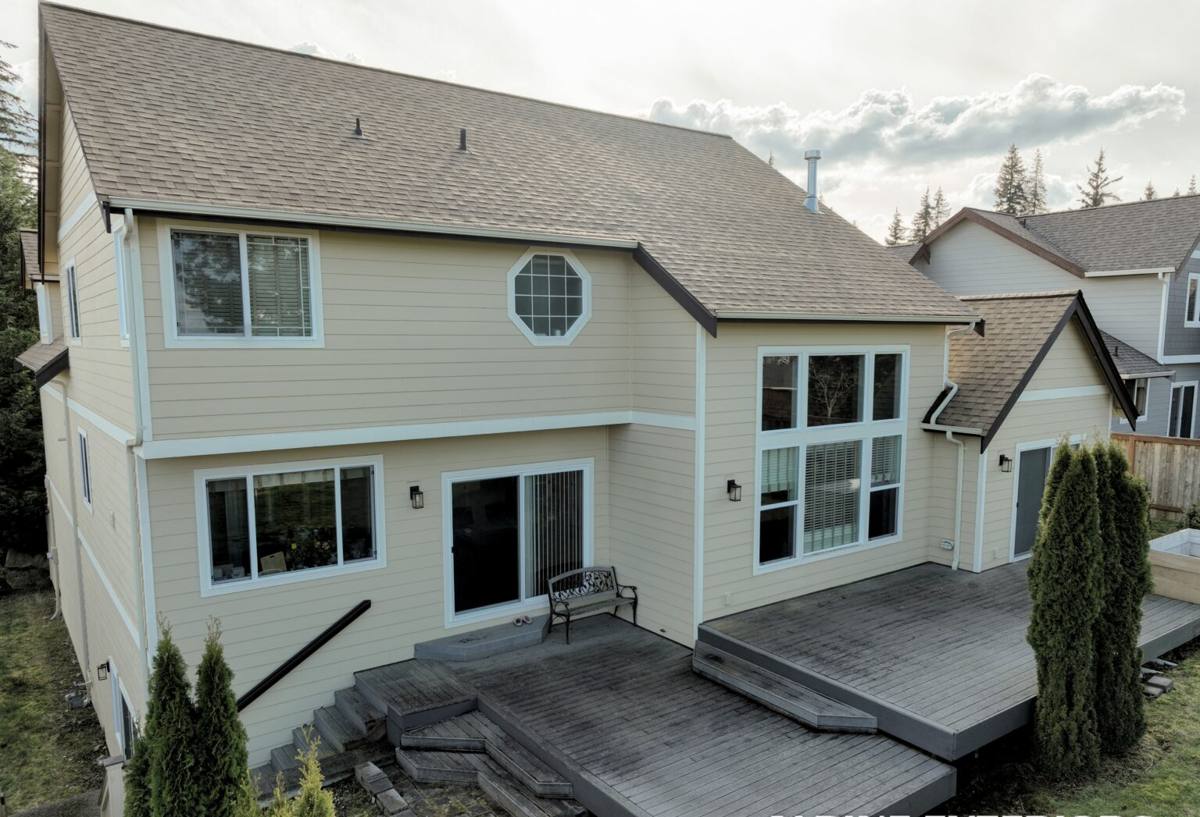
What This Climate Does to a Deck
St. Petersburg's weather is hard on exterior wood and hardware in ways that aren't obvious from the outside. A few things we plan around on every job in this neighborhood:
UV Exposure
Florida gets strong, direct sun essentially year-round. Uncoated wood grays and checks quickly, and lower-grade composite decking can fade or chalk faster here than it would in a milder climate. We factor UV resistance into material selection rather than treating every composite or PVC product as interchangeable.
Wind-Driven Rain
Rain in this area rarely falls straight down during a storm. Wind pushes water sideways and up under ledger boards, railing posts, and stair stringers — exactly the joints where rot starts if they aren't flashed and sealed correctly. This is one of the most common failure points we find on decks that were built without local conditions in mind.
Salt Air and Corrosion
Old Northeast sits close enough to Tampa Bay that salt-laden air is a real factor, even a few blocks inland. Standard zinc-coated fasteners and connectors corrode faster near the water than they would further inland, which is why hardware selection matters as much as lumber selection.
Hurricane-Force Wind
Pinellas County sits in a wind-borne debris region under the Florida Building Code, and decks attached to the house are part of the structure's overall wind resistance. Railings, guard posts, and ledger connections all need to be engineered to hold under uplift and lateral load, not just support foot traffic on a calm day.
Older Lots, Mature Trees, and Tight Setbacks
Many Old Northeast properties have mature oak canopy, established landscaping, and lots that were platted decades before modern setback and drainage standards. That affects a deck project in a few practical ways:
- Root systems near an old oak often limit where footings can go without harming the tree or hitting roots that make digging difficult.
- Heavy shade from canopy trees keeps some deck areas damp longer after rain, which pushes us toward materials and ventilation details that handle moisture well rather than trap it.
- Older homes may have uneven grade, existing patios, or additions that change how a new deck ties into the house and yard.
- Setback and lot-coverage rules can be tighter on smaller historic lots, so size and placement sometimes need to be worked out with the city before design is finalized.
None of this rules out a great deck — it just means the layout and structural plan need to reflect the actual lot, not a generic template.
Choosing the Right Decking Material
There's no single "best" decking material for every home in this neighborhood — it depends on budget, how much upkeep an owner wants to take on, and how the deck sits relative to shade, irrigation, and sun exposure. Here's how the common options compare for a coastal St. Petersburg property:
| Material | UV/Fade Resistance | Moisture Handling | Maintenance | Typical Lifespan Here |
|---|---|---|---|---|
| Pressure-treated pine | Fades and grays without regular sealing | Needs sealing to resist wind-driven rain and humidity | Annual cleaning and re-sealing | 10-15 years with upkeep |
| Tropical hardwood (e.g., ipe) | Very good, ages to gray naturally or with oil | Naturally dense and rot-resistant | Periodic oiling for color; low structural upkeep | 20-25+ years |
| Capped composite | Good to very good, brand-dependent | Won't rot; can trap moisture if airflow underneath is poor | Occasional washing, no sealing or staining | 20-25+ years |
| Cellular PVC | Very good | Fully moisture-resistant | Lowest upkeep of the group | 25+ years |
For homes closer to the water or under heavy tree shade where boards stay damp longer, we usually steer clients away from uncoated wood toward hardwood, composite, or PVC — not because wood is a bad product, but because the maintenance burden in this specific climate is higher than most homeowners want to keep up with.
What a Correctly Built Deck Actually Involves
Footings and Framing
Footings need to be sized and set to local soil conditions and Pinellas County frost-free requirements, which is less about frost here and more about load-bearing capacity in sandy or fill soil common on older lots. Framing lumber should be rated for ground contact where it's close to grade, and joist spacing should account for the decking material chosen — composite and PVC often call for tighter spacing than solid wood.
Ledger Attachment and Flashing
Where a deck attaches to the house, the ledger board and its flashing are the single most important detail on the project. Done wrong, this is where wind-driven rain gets behind the siding and rots the house's rim joist — a problem that can go unnoticed for years. We flash this connection to shed water away from the structure, not just seal it and hope.
Fasteners and Connectors
We use stainless steel or coated fasteners and structural connectors rated for coastal exposure, not standard hardware store galvanized screws that can streak or weaken over a few salt-air seasons. Every structural connection — joist hangers, post bases, railing posts — gets hardware matched to the load and the environment.
Railings and Guards
Guardrails need to meet Florida Building Code height and baluster-spacing requirements, and posts need to be through-bolted into framing, not just screwed to the rim joist. This matters for everyday safety and for standing up to wind load during a storm.
Permits and Working Within a Historic District
Deck projects in the City of St. Petersburg typically require a building permit, and homes inside Old Northeast's historic district boundaries may also involve a design review step depending on visibility from the street and the scope of the project. We don't guess at this — we confirm what applies to your specific address before design work locks in, and we handle the permit submission as part of the project rather than leaving it to the homeowner.
How We Approach an Old Northeast Deck Project
- On-site assessment: We walk the lot, note tree canopy, drainage, existing structures, and how the deck should tie into the house.
- Design and material selection: We talk through material trade-offs based on your budget, sun/shade exposure, and how much maintenance you want long-term.
- Permitting: We confirm what the city and, if applicable, historic district review requires, and submit accordingly.
- Structural build: Footings, framing, ledger flashing, and connections are built to code and to coastal-durability standards, not just to pass inspection.
- Decking, railings, and finish work: Surface material and railings go in last, with attention to clean sightlines and proportions that suit the house.
- Final walkthrough: We go over care and maintenance specific to the material installed so it lasts as long as it's designed to.
Keeping a Deck Sound in This Climate
Whatever material is chosen, a little regular attention goes a long way in a hot, humid, salt-air environment. We tell every client to keep an eye on these:
- Rinse pollen, salt residue, and debris off the deck surface and between boards every few months.
- Check under the deck periodically for standing water or poor airflow, especially in shaded areas.
- Inspect railing posts and stair connections yearly for looseness — a good early warning sign before a bigger problem develops.
- Re-seal or re-oil wood decking on the schedule the product calls for; don't wait until it's visibly gray and dry.
- Watch the ledger-to-house connection for any staining, soft siding, or gaps after storm season.
- Trim back landscaping that keeps sections of the deck shaded and damp longer than the rest.
Why Local Deck-Building Experience Matters
A crew that regularly works in Old Northeast already understands the neighborhood's older-lot quirks, the city's permitting process, and how to detail a deck so it holds up against Tampa Bay's combination of UV, humidity, wind-driven rain, and salt air. That's different from general carpentry experience — it's familiarity with what actually fails on decks in this specific part of Pinellas County, and building to avoid those failures from the start rather than fixing them in five years.
If you're planning a new deck or replacing one that's showing its age, we're happy to take a look and put together a straightforward estimate — no pressure, no hard sell, just an honest read on what your property needs. Use the form below to request a free estimate.