 St. Petersburg Roofing
 Metal Roofing on a Peninsula That Sees Every Kind of Weather
Pinellas Point sits on the southern tip of St. Petersburg, with water on three sides. That location is part of why people love living there, and it's also why the roofs take a beating that inland Pinellas County neighborhoods don't see quite the same way. Homes here get salt-laden air blowing in off Tampa Bay and the Gulf, long stretches of intense summer sun, and the full force of wind-driven rain whenever a tropical system tracks anywhere near the west coast of Florida. A roof that's a good match for a subdivision twenty miles inland isn't necessarily the right call for a house a few blocks from the water.
Metal roofing has become one of the most requested upgrades we install in this part of St. Petersburg, and for good reason. Done correctly, with the right panel type, fasteners, and underlayment for a coastal exposure, a metal roof handles wind uplift, shrugs off UV degradation, and holds up to salt air far longer than most other roofing materials asked to do the same job. Done poorly — wrong fastener metal, wrong panel gauge, skipped underlayment details — it becomes an expensive lesson in why coastal installation experience matters.
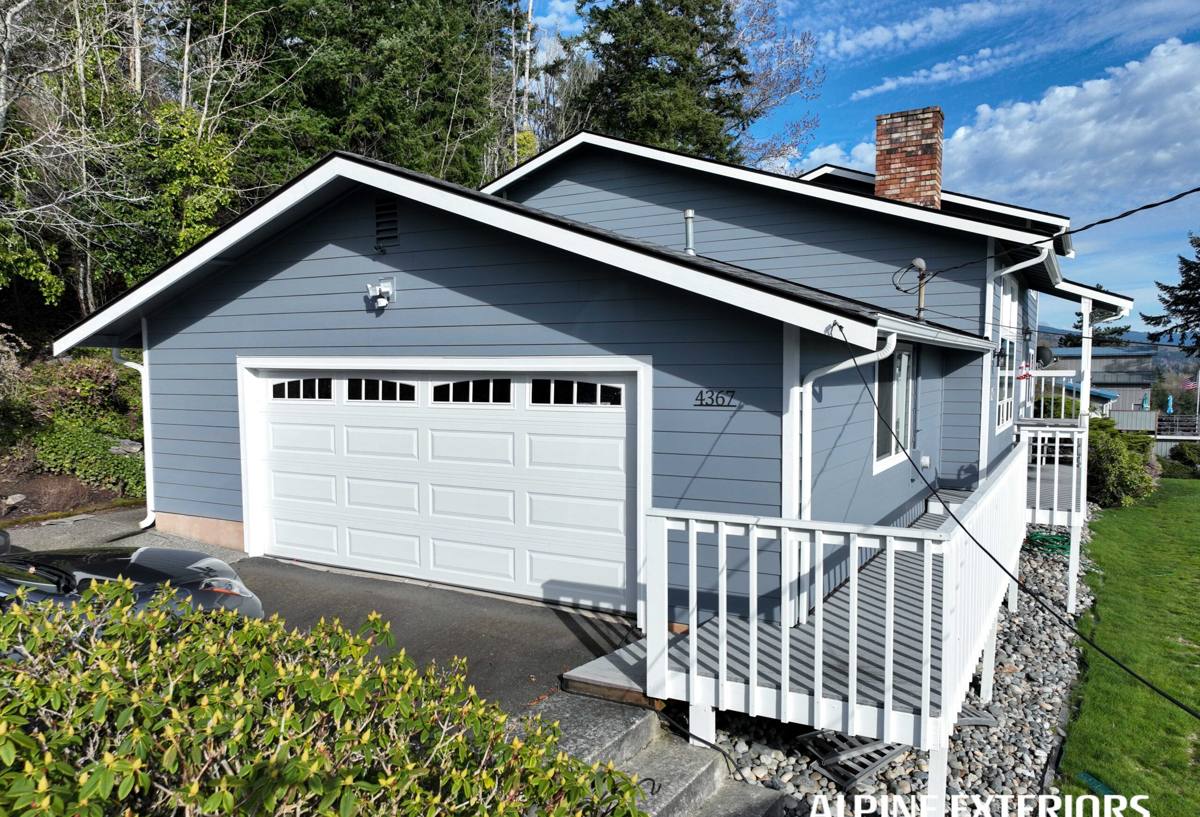
What Pinellas Point's Climate Actually Does to a Roof
Wind
Every roof in this area has to be designed with hurricane-force wind in mind, not as a hypothetical but as a recurring reality. Wind doesn't just push down on a roof — it creates uplift at edges, corners, and ridge lines, which is exactly where poorly fastened panels and trim fail first. The fix isn't a thicker panel by itself; it's correct fastening patterns, proper edge metal, and attention to the roof's most vulnerable zones.
Salt Air
Being close to the bay means airborne salt settles on every exterior surface, roofs included. Salt accelerates corrosion on any metal component that isn't rated for it — fasteners, flashing, and even panel coatings if the wrong product is used. This is one of the most overlooked failure points on coastal metal roofs: a beautiful panel system undermined by fasteners that weren't spec'd for a marine environment.
UV Exposure
Florida sun is intense nearly year-round, and Pinellas Point gets its full share. UV breaks down coatings, fades color, and dries out sealants over time. A quality metal roofing system uses factory-applied finishes engineered to resist UV breakdown, rather than field-applied coatings that weather faster.
Wind-Driven Rain
Tropical storms in this area rarely bring rain that falls straight down — it's driven sideways by wind, which means it can work its way under flashing, up under panel laps, and into any gap a standard rain-only roof design wouldn't have to worry about. Underlayment and flashing detail matter as much as the panels themselves.
Why Metal Makes Sense for This Neighborhood
Metal roofing isn't the only legitimate option in Pinellas Point, but it addresses the specific stresses this location deals with better than most alternatives, for a few concrete reasons:
- Interlocking or standing seam panel systems are engineered and tested for high wind-uplift resistance when installed to spec.
- Quality metal panels won't absorb water, crack, or granule-loss the way some other materials can under constant UV load.
- A correctly specified fastener and coating system resists the corrosion that salt air accelerates.
- Steep or coastal-style roof profiles common in this area shed wind-driven rain effectively when panel laps and underlayment are detailed correctly.
- Long service life reduces how often a homeowner has to disturb the roof for full replacement, which matters in a climate that's hard on any roofing material.
None of that means every metal roof performs the same. The material's advantages only show up when the installation respects the coastal conditions it has to survive.
Panel Types We Discuss for Pinellas Point Homes
There isn't one "correct" metal roofing product for every house here — the right choice depends on the home's style, the roof's slope and geometry, and the homeowner's budget and appearance preferences. The conversation usually comes down to a few categories:
| Panel Type | Typical Fit | Coastal Consideration |
|---|---|---|
| Standing seam | Modern and traditional homes wanting a clean, low-profile look | Concealed fasteners reduce exposed metal points where corrosion can start |
| Exposed-fastener panel | Budget-conscious projects, secondary structures, some ranch-style homes | Requires marine-grade fasteners and periodic inspection since fastener heads are exposed to weather |
| Metal shingle/shake profiles | Homes wanting a traditional roofline look with metal's durability | More seams than standing seam, so lap and flashing detail is critical near the water |
We walk through these trade-offs with each homeowner rather than defaulting to one product, because the "best" panel type genuinely changes based on the roof and the budget in front of us.
What a Correct Metal Roof Installation Involves
The panels get most of the attention, but panels are only one part of a system. A metal roof that actually performs the way it's supposed to in this climate depends on several layers working together:
- Deck inspection and repair. Any soft, rotted, or water-damaged decking gets identified and replaced before anything new goes down. Installing new panels over a compromised deck just hides a problem.
- Underlayment. A high-quality synthetic or self-adhering underlayment provides the roof's real waterproofing layer, especially important given how often wind drives rain sideways here.
- Flashing at every penetration and transition. Valleys, walls, chimneys, vents, and roof-to-wall transitions are where most roof leaks actually originate, metal or otherwise. Flashing has to be formed and integrated correctly at each of these points.
- Fastening system matched to the coastal environment. Fastener metal, spacing, and pattern are chosen for both the wind load the roof needs to resist and the corrosion resistance salt air demands.
- Edge and trim details. Drip edge, rake trim, and ridge caps are where wind uplift concentrates. These get the same attention as the field of the roof, not an afterthought.
- Final inspection. Every seam, fastener, and flashing point gets checked before we consider the job finished.
Our Process, Start to Finish
We keep the process straightforward because homeowners are usually making this decision once every few decades, not something they do routinely:
- On-site assessment. We look at the existing roof, the deck condition, the roof's geometry, and any specific exposure concerns tied to the home's location and orientation.
- Honest product conversation. We explain the panel options that make sense for that specific roof, along with realistic trade-offs in cost, appearance, and maintenance — not a one-size pitch.
- Written estimate. Scope, materials, and cost factors are laid out clearly before any work begins.
- Permitting. Roofing work in St. Petersburg and Pinellas County requires permits, and we handle that process as part of the job rather than leaving it to the homeowner.
- Installation. Deck repair, underlayment, flashing, panels, and trim, done in that order, with attention to the coastal-specific details covered above.
- Final walkthrough. We go over the completed roof with the homeowner before closing out the job.
Cost Factors Homeowners Should Understand
Metal roofing costs more up front than some other roofing materials, and the final number depends on more than just square footage. The factors that move the price on a real Pinellas Point project include:
| Factor | Why It Matters |
|---|---|
| Panel type | Standing seam typically costs more than exposed-fastener panel systems due to labor and material |
| Roof complexity | More valleys, dormers, and penetrations mean more flashing work and labor time |
| Deck condition | Rotted or damaged decking found during tear-off adds repair cost that can't always be predicted before the old roof comes off |
| Fastener and underlayment grade | Marine-grade fasteners and upgraded underlayment cost more but matter more this close to the water |
| Roof pitch and access | Steeper roofs and difficult access add labor time and safety equipment needs |
We'd rather walk a homeowner through these variables honestly than quote a number that doesn't hold up once the old roof comes off and the deck condition becomes clear.
Maintenance That Keeps a Metal Roof Performing
Metal roofs are lower-maintenance than many alternatives, but "low-maintenance" isn't "no-maintenance," especially in a salt-air environment. A simple annual checklist covers most of what matters:
- Visual inspection of fasteners for early signs of corrosion or backing out
- Check flashing at valleys, walls, and penetrations for gaps or sealant wear
- Clear debris from valleys and gutters so water isn't held against panels or trim
- Look for scratches or scuffs in the finish after any tree trimming or nearby construction work, since exposed bare metal can corrode faster
- Rinse off heavy salt buildup after long dry spells, particularly on homes closest to the water
Most of this is a once-a-year, twenty-minute check, and it's the kind of thing that catches a small issue before it becomes a leak.
Why Local Installation Experience Matters Here
Metal roofing installation isn't uniform across Florida. A crew that mostly works inland jobs may not default to marine-grade fasteners, may not detail flashing for wind-driven rain the way a bay-adjacent roof demands, and may not think about salt exposure at all until it shows up as a callback years later. Working regularly in St. Petersburg and around Pinellas Point means those details aren't an afterthought — they're the standard we start from on every estimate, because we've seen what happens when they get skipped.
Hurricane season, salt air, and relentless UV aren't occasional concerns for homes on this peninsula — they're the baseline conditions any roof here has to be built for. A metal roof installed with that in mind is one of the more durable answers available for this specific stretch of Pinellas County.
If you're weighing a metal roof for your Pinellas Point home, we're happy to take a look and talk through what makes sense for your roof specifically. Use the form below to request a free, no-pressure estimate.