 St. Petersburg Roofing
 Roofing on a Barrier Island Isn't the Same Job as Roofing Inland
St. Pete Beach sits on a narrow strip of land between the Gulf of Mexico and Boca Ciega Bay, and that location changes what a roof has to survive. Homes here deal with a combination of stresses that inland Pinellas County properties simply don't see in the same intensity: near-constant salt-laden air, sun exposure that doesn't let up for most of the year, wind-driven rain that finds its way into gaps a normal rainstorm never would, and the very real possibility of hurricane-force winds during storm season. Any one of these factors will wear down a roofing system over time. Together, they demand a different level of material selection, installation detail, and ongoing attention than you'd need forty miles inland.
We've worked on enough roofs in this part of Pinellas County to know that a roof that looks fine from the street can already be losing the battle underneath. This page walks through what actually happens to roofs — and to siding, windows, and decks — in this environment, what holds up, and what a homeowner here should realistically expect to spend and maintain.
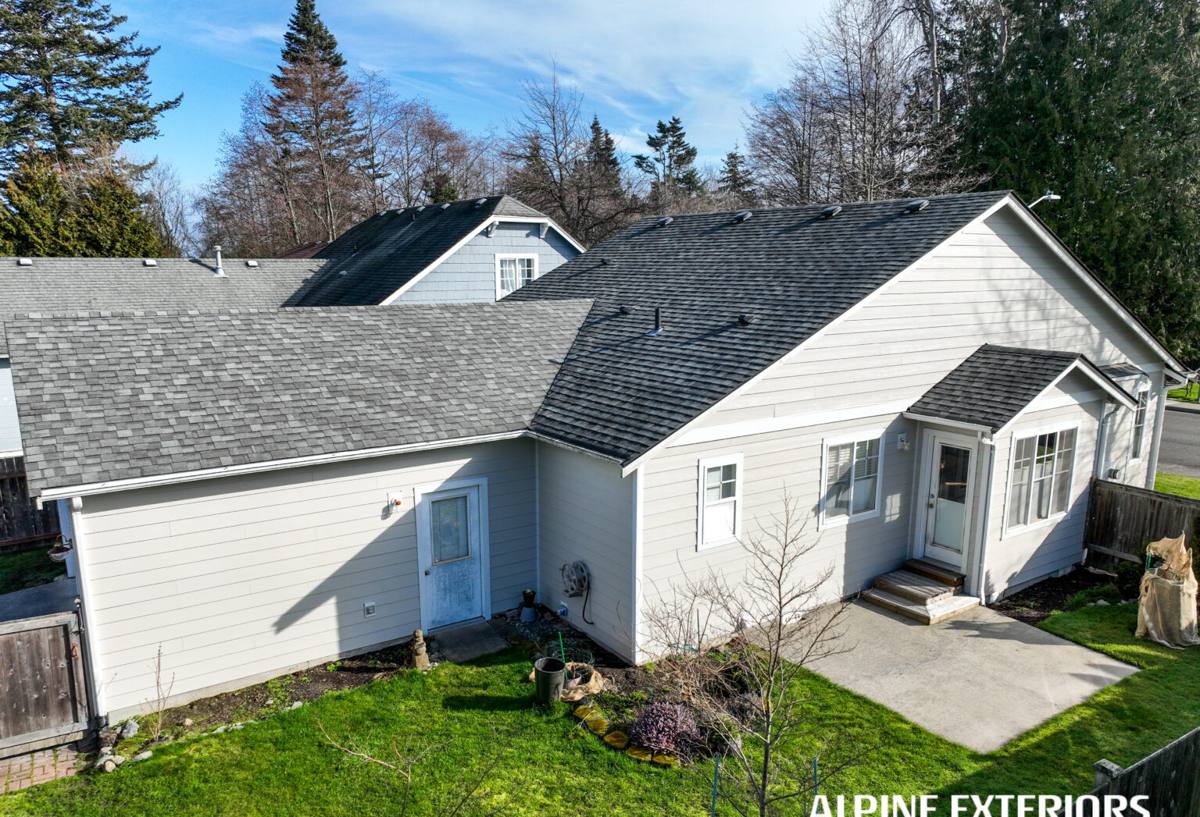
What Coastal Exposure Actually Does to a Roof
Salt Air and Corrosion
Salt air isn't just a nuisance smell — it's an active corrosive agent. Airborne salt settles on metal fasteners, flashing, drip edges, and any exposed hardware, and it accelerates rust and metal fatigue far faster than the same materials would experience even a few miles inland. Roofing nails, valley flashing, and vent boots with unprotected or low-grade metal components are often the first things to fail on a beachfront or near-beachfront home — sometimes years before the roofing material itself is due for replacement.
UV Degradation
Florida sun is intense nearly year-round, and St. Pete Beach gets it with almost no tree canopy to soften the exposure. UV radiation breaks down the oils and resins in asphalt shingles, causing granule loss, brittleness, and premature cracking. It also degrades sealants and rubber components — pipe boots, gaskets, and some underlayments — well before the manufacturer's stated lifespan if the products weren't chosen with that exposure in mind.
Wind-Driven Rain
Rain that comes in sideways during a storm behaves differently than rain falling straight down. It gets pushed up under shingle tabs, through minor gaps in flashing, and into vents that would otherwise shed water fine. This is why underlayment quality and flashing detail work matter as much as — sometimes more than — the visible roofing material itself. A roof can have a good-looking shingle layer and still leak during a wind event if the layers underneath weren't installed correctly.
Hurricane Wind Loads
Pinellas County sits in an area where hurricane and tropical storm wind exposure is a real annual consideration, not a hypothetical. Roofs here need to meet wind uplift ratings appropriate for coastal exposure, with fastening patterns, edge details, and underlayment systems built to hold under sustained high wind, not just the minimum required for standard residential construction inland.
Roofing Materials That Perform in This Environment
Not every roofing product marketed as "hurricane-rated" performs the same in practice, and the right choice depends on the home's structure, roof pitch, budget, and how long the owner plans to stay in the property. Here's how the common options generally compare for a coastal Pinellas County home:
| Material | Wind & Salt Performance | Maintenance | Typical Lifespan Here |
|---|---|---|---|
| Architectural asphalt shingle (coastal-rated) | Good with proper nailing pattern and sealed strips; corrosion resistance depends on fastener quality | Periodic inspection, especially after storms | 15-20 years |
| Standing seam metal | Excellent wind uplift resistance when properly fastened; needs coastal-grade coatings and fasteners | Low; occasional fastener and coating check | 30-45+ years |
| Concrete or clay tile | Very good wind performance when installed with correct fastening system; heavy, needs structure rated for the load | Occasional broken-tile replacement, mortar/foam check | 30-50 years |
| Standard 3-tab shingle | Lower wind rating; not our recommendation for this exposure | More frequent inspection needed | 10-15 years |
We generally steer beachfront and near-beachfront homeowners away from standard 3-tab shingle for this exposure — not because it's a bad product everywhere, but because its wind rating and edge-sealing characteristics aren't built for what this location experiences. That's a professional judgment call based on wind exposure, not a knock on any manufacturer.
Wind Mitigation, Building Code, and Insurance
Florida's building code requirements are more demanding in wind-borne debris regions, and Pinellas County's coastal areas fall under closer scrutiny than inland counties in many parts of the state. A properly installed roof here should account for:
- Correct nailing or fastening pattern for the rated wind speed of the area
- Secondary water barrier (sealed or self-adhering underlayment) as a backup if the primary roof covering is compromised
- Proper flashing at every roof-to-wall, valley, and penetration point
- Edge metal and drip edge rated for the wind exposure category
Beyond code compliance, a wind mitigation inspection can directly affect your homeowner's insurance premium. Insurers in Florida offer credits for features like a secondary water barrier, roof-to-wall connections (clips vs. straps vs. toe-nails), roof covering type, and roof shape. If you haven't had a wind mitigation inspection done recently, or if your roof has been replaced or upgraded since your last one, it's worth having it reassessed — the savings can be meaningful, and it's separate from any repair or replacement work we might do.
It's Not Just the Roof: Siding, Windows, and Decks Take the Same Beating
The same salt air, UV, and wind-driven moisture that stress a roof are working on the rest of the exterior at the same time, which is why we handle roofing, siding, windows, and decks as a connected system rather than isolated projects.
Siding
Fiber cement and quality vinyl products hold up well in coastal exposure when installed with proper clearances and fastening, but installation detail around window and door penetrations matters enormously here — that's where wind-driven rain finds its way behind the cladding if flashing and house wrap weren't done right the first time.
Windows
Impact-rated windows are worth serious consideration on a barrier island property, both for storm protection and because they typically carry better sealing and frame durability against salt air corrosion than standard-grade windows. Frame material and hardware quality matter as much as the glass rating.
Decks
Outdoor decks near the Gulf face accelerated fastener corrosion and UV breakdown of wood and composite materials alike. Stainless or coated coastal-grade hardware and proper board spacing for drainage make a real difference in how long a deck stays sound and safe underfoot.
Maintenance That Actually Extends the Life of a Coastal Roof
Most roof failures we see in this area aren't sudden — they're the result of small issues that went unnoticed for a year or two. A simple maintenance rhythm catches most of them before they become expensive:
- Visual inspection twice a year and after any significant named storm
- Check and clear gutters and downspouts so water isn't backing up under the roof edge
- Look for lifted, cracked, or missing shingle tabs, especially at ridges and edges where wind uplift concentrates
- Inspect pipe boots and vent flashing for cracking — these are usually the first failure point, not the field of the roof
- Check fastener heads and metal flashing for rust staining, a sign salt corrosion is underway
- Trim back any vegetation that holds moisture against the roof or siding
- Confirm attic ventilation is working; poor airflow accelerates heat and UV damage from underneath
What Roofing Work Typically Costs in This Area
Exact pricing depends on roof size, pitch, current condition, and material choice, but the factors below are what actually move the number, and it helps to understand them before you get quotes:
| Cost Factor | Why It Matters |
|---|---|
| Roof pitch and access | Steeper or harder-to-access roofs require more labor and safety equipment |
| Existing layers / tear-off need | Removing old roofing and repairing decking adds cost but is often necessary for a proper install |
| Material choice | Metal and tile cost more upfront than shingle but last significantly longer with less maintenance |
| Underlayment and flashing package | Coastal-grade secondary water barriers and flashing cost more but reduce leak risk and can lower insurance premiums |
| Structural condition | Any decking rot or structural repair found during tear-off affects the final price |
We give straightforward, itemized estimates so you can see what you're paying for and where the coastal-specific upgrades are worth it versus optional.
Why It Matters to Hire a Local Crew
A contractor who works across St. Petersburg and the surrounding beach communities on a regular basis has a working sense of how homes in this specific corner of Pinellas County age — which details tend to fail first, which products are worth the upgrade cost for this exposure, and what the local permitting and inspection process actually requires. That's different from general roofing knowledge that isn't tuned to barrier-island conditions. A local crew is also easier to reach for a follow-up question or a post-storm check, without the runaround that comes with an out-of-town outfit that showed up once after a storm and moved on.
What to Expect When You Work With Us
We start with an honest, in-person assessment of the roof and relevant exterior components — not a sales pitch. If a repair is enough, we'll say so. If a full replacement makes more sense given the roof's age and condition, we'll explain why, walk through material options suited to this exposure, and give you a clear, itemized estimate. From there, we handle permitting, scheduling, and the installation itself, with attention to the flashing and fastening details that matter most in a coastal wind zone.
If you're dealing with an aging roof, storm damage, or you're just not sure what condition your roof is really in, we're happy to take a look. Reach out for a free, no-pressure estimate using the form below — there's no obligation, and you'll walk away with a clear picture of where things stand.