 St. Petersburg Roofing
 A Historic Neighborhood With Its Own Roofing Challenges
Historic Kenwood is one of St. Petersburg's older residential neighborhoods, and that history shows up on the roof before it shows up anywhere else. Many homes in this part of Pinellas County were built well before modern wind codes, energy codes, and ventilation standards existed, and a lot of them have been re-roofed at least once without anyone updating the underlying deck, flashing details, or attic airflow to match. That combination — an older home with a newer roof layered on top of outdated bones — is one of the most common issues we run into when we're asked to look at a Historic Kenwood property.
None of this means an older home is a problem home. It means the roofing, siding, and ventilation choices need to account for what's actually underneath, not just what's on the surface. A crew that treats every house the same, regardless of age or construction era, tends to miss the details that matter most in a neighborhood like this one.
What St. Petersburg's Climate Actually Does to a Roof
St. Petersburg and the rest of Pinellas County sit in one of the more demanding climates in the country for exterior building materials. It isn't any single factor that wears a roof down — it's the combination, repeated year after year.
Hurricane and Tropical Storm Wind Loads
Every roof in this area has to be able to withstand hurricane-force gusts, and it isn't just the wind itself — it's wind-driven rain forced sideways and upward under shingles, tiles, and flashing that would never see that kind of pressure in a calmer climate. Roofing systems here need proper nailing patterns, sealed underlayment, and flashing that's actually lapped correctly, not just installed to look right from the ground.
Constant, Intense UV Exposure
Florida sun is harder on roofing materials than most homeowners realize. UV breaks down asphalt shingle oils, dries out sealants, and accelerates the aging of any exposed membrane far faster than in northern climates. A shingle rated for a 25-year lifespan in a moderate climate often doesn't get anywhere close to that here.
Salt Air and Coastal Corrosion
Being close to Tampa Bay and the Gulf means salt-laden air reaches metal flashing, fasteners, gutters, and any exposed hardware. Standard fasteners and untreated metal corrode faster near the coast, which is why material selection and fastener grade matter more here than they would inland.
Wind-Driven Rain and Humidity
Even outside of storm season, Pinellas County deals with frequent heavy rain and high humidity. Any gap in flashing, any degraded sealant, or any undersized ventilation gap becomes an opportunity for moisture intrusion — and once moisture gets into a roof deck or wall assembly in this humidity, it doesn't dry out on its own the way it might in a drier climate.
Common Issues We Find on Historic Kenwood Homes
- Roof decking that was never upgraded when the roof covering was last replaced
- Flashing around chimneys, dormers, and roof-to-wall transitions installed for looks rather than water management
- Attic ventilation that hasn't kept pace with insulation or AC upgrades, trapping heat and moisture
- Fascia, soffit, and trim showing rot from long-term minor leaks that were never traced to their source
- Gutters and downspouts undersized or poorly pitched for Florida's heavy rain events
- Older siding materials with UV-faded finishes or moisture damage at butt joints and corners
Roofing Options That Make Sense for This Climate
There's no single "best" roofing material for every home — the right choice depends on the home's structure, the homeowner's budget, and how long they plan to stay in the house. What matters is understanding the honest trade-offs of each option in a hurricane-prone, high-UV, coastal climate.
| Material | Wind Performance | UV/Heat Durability | Maintenance |
|---|---|---|---|
| Architectural asphalt shingle | Good with proper nailing and rated products | Moderate — UV shortens lifespan | Low to moderate |
| Metal (standing seam) | Excellent when properly fastened | Very good, reflects heat | Low |
| Concrete or clay tile | Excellent, heavy and wind-resistant | Excellent | Moderate — underlayment still ages |
| Flat/low-slope membrane | Good with correct detailing | Depends on membrane type | Moderate, needs periodic inspection |
Tile and metal roofs tend to hold up longer against wind and UV, but they come with a higher upfront cost and, in the case of tile, added structural weight that older homes need to be checked for before installation. Asphalt shingle remains a solid, cost-effective choice for many Kenwood homes as long as it's a wind-rated product installed with the fastening pattern the manufacturer actually specifies for high-velocity hurricane zones — not the minimum pattern used in calmer climates.
How We Approach a Roof Inspection or Replacement Here
Because Historic Kenwood homes vary so much in age and prior repair history, we don't start with a quote — we start by actually getting on the roof and into the attic. A proper assessment includes:
- Checking the roof deck for soft spots, prior water damage, or delamination before recommending a covering material
- Evaluating flashing at every penetration — chimneys, vents, skylights, and roof-to-wall transitions
- Reviewing attic ventilation intake and exhaust balance, since poor airflow shortens roof life from underneath
- Assessing fastener and flashing material for salt-air corrosion resistance
- Confirming gutter sizing and drainage paths handle Florida's rain intensity, not just average rainfall
Skipping any of these steps is how homeowners end up paying for a new roof covering installed over a deck or ventilation problem that resurfaces within a few years.
Siding, Windows, and Decks: The Rest of the Exterior Picture
Roofing doesn't exist in isolation — the same wind, UV, and salt exposure that wears down a roof affects every other exterior surface on a Historic Kenwood home.
Siding
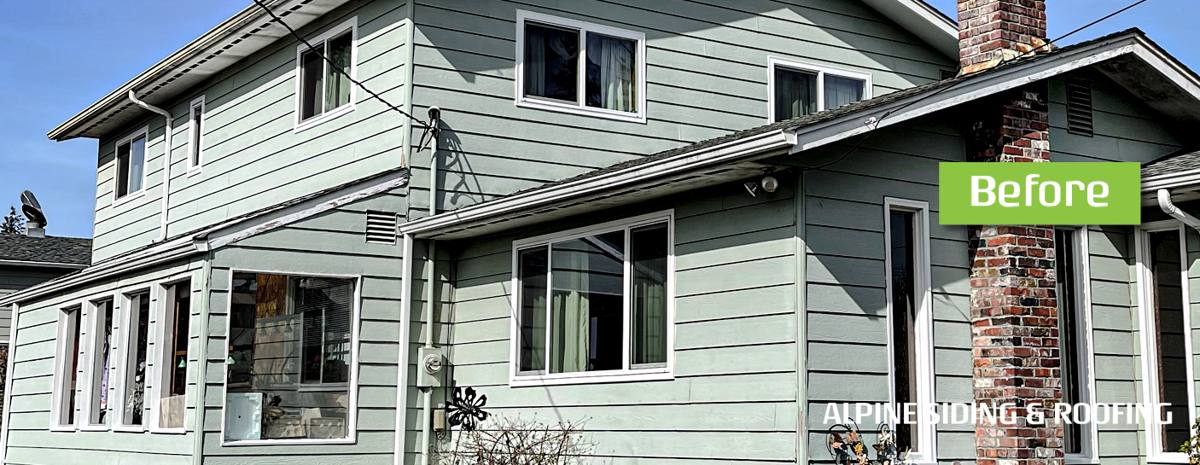
Older siding materials often show UV fading and moisture damage at seams well before the rest of the home shows its age. Fiber cement and properly installed vinyl products both perform well in this climate when installed with the right fastening and flashing details, particularly at window and door transitions where wind-driven rain finds its way in.
Windows
Impact-rated windows matter more here than in most parts of the country, both for storm protection and for meeting current Pinellas County building code on replacements. Beyond impact resistance, proper flashing and sealant work around the window frame is what actually keeps wind-driven rain out — the window itself is only half the equation.
Decks
Outdoor decks in this climate take a beating from UV and humidity, and untreated or poorly sealed wood decking can deteriorate quickly. Composite decking materials and properly treated, sealed wood both have a place here depending on budget and maintenance preference — the key factor is honest upkeep expectations rather than a one-time "maintenance-free" promise.
Why a Local St. Pete Crew Matters
A crew based in and around St. Petersburg understands Pinellas County's permitting requirements, the wind-load and impact standards enforced here, and the specific ways coastal weather attacks a roof or exterior wall assembly. That local familiarity affects real decisions — which underlayment and fastening spec to use, how to detail flashing for wind-driven rain, and how to size ventilation for a hot, humid attic. Out-of-area crews that roll through after a storm often apply generic specs that aren't matched to this climate, and that shows up in how the work holds up two or three years later.
Working locally also means we're accountable after the job is done. If a question comes up during the next hurricane season or after a heavy summer storm, we're a short drive away, not a phone number that stops answering once the check clears.
Cost Factors Homeowners Should Actually Understand
Every estimate should explain what's driving the price, not just present a number. For Historic Kenwood homes specifically, the biggest cost variables tend to be:
| Factor | Why It Matters |
|---|---|
| Deck condition | Rotten or delaminated decking needs replacement before new roofing goes on |
| Roof complexity | Dormers, multiple pitches, and older architectural details add labor and flashing work |
| Material choice | Tile and metal cost more upfront but can reduce long-term maintenance and replacement frequency |
| Ventilation upgrades | Bringing attic airflow up to standard adds cost but extends roof life |
| Permitting and code compliance | Older homes sometimes need code-required upgrades during major re-roofs |
A Simple Homeowner Checklist
- Have your roof and attic inspected after any named storm, even if you see no visible damage
- Check gutters and downspouts for debris before the summer rainy season builds
- Look at fascia and soffit boards for soft spots or discoloration, a common early sign of leaks
- Ask any contractor for their actual fastening schedule and wind-rating documentation, not just a brand name
- Get a second opinion before agreeing to a full roof replacement if only a section shows damage
If you own a home in Historic Kenwood and want an honest look at your roof, siding, windows, or deck, we're happy to come out for a free, no-pressure estimate. Use the form below to get started.