 St. Petersburg Roofing
 Why Shingle Choice Matters More Here Than Most Places
Every roofing material sold in Florida has to survive conditions that would be considered extreme almost anywhere else. In St. Petersburg, that means hurricane-force wind gusts during storm season, wind-driven rain that finds its way into any gap or lifted edge, and near-constant UV exposure that breaks down asphalt oils faster than in northern climates. Add the salt air rolling in off Tampa Bay and the Gulf, and you have an environment that ages a roof quickly if the wrong product or installation method is used.
Asphalt shingles remain the most common roofing material in Pinellas County because they're cost-effective and, when matched correctly to the home and installed properly, they hold up well. But not all asphalt shingles are built the same. The two main categories homeowners choose between are 3-tab shingles and architectural (also called "dimensional" or "laminate") shingles. The differences aren't just cosmetic — they affect how your roof performs in a windstorm, how long it lasts under our sun, and what it costs you over time.
3-Tab Shingles: The Basics
3-tab shingles are a single layer of asphalt cut into three evenly sized tabs, creating a flat, uniform pattern across the roof. They're the traditional, economical option and have been standard on Florida homes for decades. Each shingle is lighter than an architectural shingle, and the flat profile gives a roof a clean, simple look.
The tradeoff is that a single-layer shingle has less material holding it down and less mass to resist wind uplift. Most 3-tab products carry wind warranties in the 60-70 mph range, though some manufacturers offer upgraded fastening patterns that push that higher. In a region where we regularly see tropical-storm and hurricane-force gusts, that lower baseline matters.
Architectural Shingles: The Basics
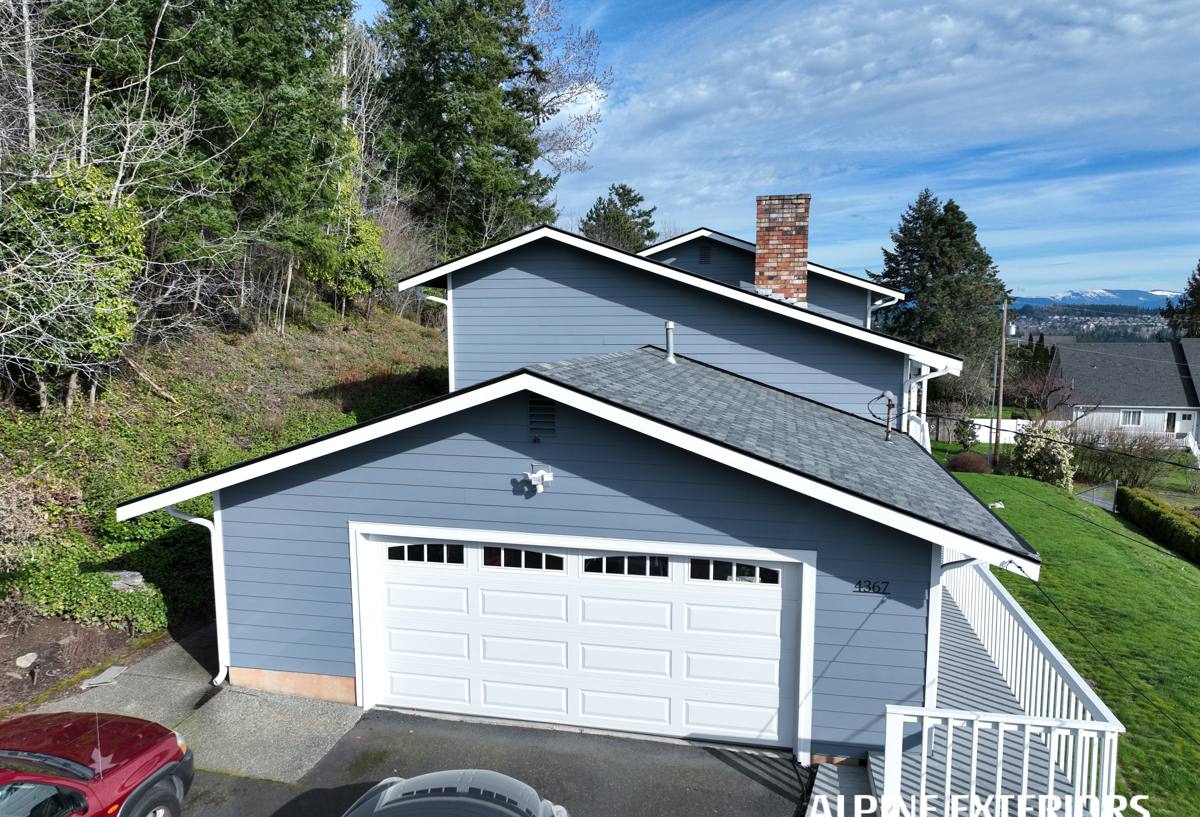
Architectural shingles are made by laminating two layers of asphalt together, then cutting them in an irregular, staggered pattern. The result is a heavier, thicker shingle with a dimensional, shadowed look that mimics wood shake or slate from a distance. That extra mass and the laminated construction give the shingle more resistance to wind lift, impact, and general wear.
Most architectural shingles carry wind ratings starting around 110-130 mph, and many premium lines are rated higher when installed with the manufacturer's specified nailing pattern and starter strip. Because of the added material and manufacturing process, they cost more per square than 3-tab shingles, but the performance gap is real, not just marketing.
What "Wind Rating" Actually Means
A shingle's wind rating comes from standardized uplift testing, not a guess. It reflects how the shingle performs as a system — shingle, adhesive strip, and fastening pattern together — under sustained wind pressure. A higher-rated shingle installed with the wrong nail pattern or without the correct starter course will not perform to its rating, which is why installation quality matters as much as the shingle itself.
Side-by-Side: How They Compare
| Factor | 3-Tab Shingles | Architectural Shingles |
|---|---|---|
| Construction | Single layer, flat profile | Laminated, two layers, dimensional profile |
| Typical wind rating | 60-70 mph | 110-130+ mph |
| Typical lifespan in Florida | 15-20 years | 25-30+ years |
| Manufacturer warranty length | Usually 20-25 years, prorated | Often 30-year to lifetime, with stronger non-prorated periods |
| Appearance | Flat, uniform | Textured, shadowed, dimensional |
| Approximate material cost | Lower | 20-40% more than 3-tab |
| Availability | Declining — several manufacturers have discontinued lines | Standard offering across nearly all major brands |
Wind Performance and What Local Code Requires
Pinellas County sits in a high-wind zone under the Florida Building Code, and St. Petersburg's permitting process reflects that. Roofing materials installed here have to carry a valid product approval for the wind speed and exposure category of the specific site, and the fastening pattern has to match what's listed on that approval — it isn't optional, and it isn't something a contractor can eyeball.
Why This Pushes Many Homeowners Toward Architectural
Because architectural shingles start from a higher baseline wind rating, they give you more margin before you're relying entirely on enhanced nailing patterns or specialty adhesives to hit code minimums. 3-tab shingles can still be installed to code in most parts of St. Petersburg, but the margin for error is thinner, and insurance carriers increasingly ask about shingle type and wind rating when underwriting or renewing a policy.
Wind-Driven Rain
Wind rating isn't only about the shingle staying attached — it's also about keeping water out during a storm where rain is being pushed sideways under pressure. The thicker profile and stronger seal strip of an architectural shingle generally does a better job resisting that kind of wind-driven intrusion at edges, ridges, and valleys, which are the most common places we find storm-related leaks on 3-tab roofs.
Sun, Salt Air, and Long-Term Durability
Florida's UV exposure is one of the harshest in the country, and it's a slower, quieter threat than wind. Constant sun breaks down the asphalt oils in a shingle over time, causing it to become brittle, crack, and lose granules. A thicker, laminated architectural shingle has more asphalt mass to begin with, so it tends to hold up to UV degradation longer than a thin single-layer shingle.
Salt air is the other factor that's easy to overlook if you haven't lived on the Gulf Coast. Airborne salt accelerates corrosion on any exposed metal — nails, flashing, vents — and can contribute to granule loss on shingles closer to the water. Homes nearer the bay or the barrier islands see this effect more than those further inland, but no property in St. Petersburg is fully insulated from it. Whichever shingle you choose, we recommend pairing it with corrosion-resistant flashing and fasteners, and keeping an eye on granule loss during routine roof checks.
Cost Considerations Beyond the Sticker Price
The upfront cost gap between 3-tab and architectural shingles is real, but it isn't the whole financial picture. A roof that lasts 10 fewer years, or that's more likely to need storm-related repairs, costs money on the back end even if it was cheaper to install.
| Cost Factor | What to Consider |
|---|---|
| Material price per square | Architectural typically runs 20-40% higher than 3-tab |
| Expected lifespan | Architectural generally spreads its higher cost over more years of service |
| Insurance impact | Some carriers offer better terms or discounts for higher wind-rated roofing — worth confirming with your agent before you decide |
| Storm repair frequency | Lower wind rating can mean more frequent post-storm repairs over the roof's life |
| Resale consideration | Buyers and appraisers in this market increasingly notice shingle type and roof age |
We won't quote exact prices here, since costs shift with material availability, roof complexity, and the size of the job — but we're glad to walk through real numbers for your specific roof during an on-site estimate.
Curb Appeal and Resale Value
Beyond performance, the look of your roof is part of your home's overall presentation. 3-tab shingles give a clean, flat, traditional appearance that still suits certain home styles well. Architectural shingles add depth and shadow lines that read as a more upscale, dimensional roof from the street, and many mimic the look of wood shake or slate without that material's maintenance demands.
In our experience working across St. Petersburg neighborhoods, architectural shingles have become the more common choice on newer builds and full roof replacements, partly for appearance and partly because several manufacturers have scaled back their 3-tab offerings in favor of laminated products. That's worth knowing if you're planning ahead — availability of 3-tab shingles, and matching future repairs, may get harder over time.
Making the Right Call for Your Home
There's no universal right answer — the decision depends on your budget, how long you plan to stay in the home, your insurance situation, and how exposed your specific property is to wind and salt. Here's a practical checklist to work through:
- How close is your home to the water, and how exposed is it to prevailing wind?
- Do you plan to stay in the home long enough to benefit from a longer-lasting shingle?
- Has your insurance carrier mentioned wind mitigation credits or roofing requirements at your last renewal?
- What's the age and condition of your current decking and flashing — does this replacement need to address more than just the shingles?
- Does your HOA or neighborhood have any restrictions on roofing appearance or material type?
- Are you budgeting for the full lifecycle cost, including likely maintenance and storm repairs, not just the install price?
Installation Quality Matters as Much as the Shingle
Whichever product you choose, the wind and water performance you're paying for only shows up if the roof is installed to the manufacturer's specifications — correct nail count and placement, proper starter strip, sealed ridge caps, and flashing detail at every penetration and valley. A premium architectural shingle installed with shortcuts can underperform a 3-tab shingle installed correctly. This is also where warranty structure matters: many manufacturer warranties are voided by incorrect installation, so it's worth asking any contractor how they document their fastening pattern and whether they're a certified installer for the shingle line they're proposing.
If you're weighing 3-tab against architectural shingles for a home in St. Petersburg or elsewhere in Pinellas County, we're happy to walk your roof with you, talk through what your specific exposure and budget call for, and give you a straightforward, no-pressure estimate — no hard sell, just an honest read on what your roof needs.