 St. Petersburg Roofing
 Roofing and Exterior Work for Coquina Key Homeowners
Coquina Key sits on the water in southeast St. Petersburg, and that location shapes almost everything about how a roof, siding system, or set of windows performs there. Homes on this peninsula deal with a combination most inland Pinellas County properties don't see in the same intensity: near-constant humidity off the surrounding water, salt-laden air, direct sun exposure with few large trees to break it up, and a direct line for wind-driven rain during tropical systems. St. Petersburg Roofing Co works throughout the St. Petersburg and greater Pinellas County area, and Coquina Key is one of the neighborhoods where we see, year after year, how much the local environment accelerates wear compared to properties even a few miles inland.
This page covers what we typically find on Coquina Key roofs and exteriors, how our roofing, siding, window, and deck services are approached for this kind of setting, and what a homeowner here should actually watch for. We'd rather explain the trade-offs honestly than oversell a product, so treat this as a starting point for a conversation, not a sales pitch.
What the Local Climate Does to a Coquina Key Home
Florida's Gulf Coast climate is hard on exteriors everywhere, but waterfront and near-waterfront neighborhoods like Coquina Key get a concentrated version of it.
Salt Air and Corrosion
Homes close to open water are exposed to airborne salt that settles on roofing, siding, metal flashing, fasteners, and window hardware. Over time, salt exposure speeds up corrosion on anything metal that isn't rated for a marine or coastal environment — exposed nail heads, cheap flashing, lower-grade gutter systems, and window frame hardware are common weak points. It doesn't ruin a roof overnight, but it shortens the life of components that would otherwise last much longer a few miles inland.
Intense, Year-Round UV
Central Florida sun is strong for most of the calendar year, not just in summer. UV exposure breaks down asphalt shingle granules, dries out and cracks sealants, and fades or chalks vinyl and fiber cement siding faster than in northern climates. On a canal-facing elevation with little shade, that degradation is often visibly uneven — one side of a roof or one wall of siding ages faster than the rest.
Wind-Driven Rain
Tropical storms and hurricanes don't just bring heavy rain — they push it sideways, sometimes at speeds strong enough to force water past flashing, under shingle tabs, and through poorly sealed window and door openings. A roof or siding system that would handle a normal downpour fine can still leak under wind-driven rain if the underlying installation details (flashing laps, underlayment, sealant, fastening pattern) weren't done to withstand lateral pressure, not just gravity.
Humidity and Moisture Cycling
Constant humidity near the water keeps roofing and siding materials damp longer after rain, which matters for wood-based products, poorly ventilated attics, and any assembly that traps moisture instead of letting it dry out. Homes in Coquina Key benefit from materials and installation choices that account for that slower drying cycle, not just ones rated for "Florida weather" in general.
Roofing Services
We install, repair, and replace roofs using materials suited to coastal Pinellas County conditions — not just what's cheapest to install. The right choice depends on the home's age, roof pitch, budget, and how directly it faces the water.
| Roofing Material | Typical Lifespan (Coastal Use) | Notes for Coquina Key |
|---|---|---|
| Architectural Asphalt Shingle | 15–22 years | Most common, cost-effective; look for a high wind rating and proper nailing pattern for coastal exposure |
| Standing Seam Metal | 30–45+ years | Strong wind performance and low maintenance, but fasteners and coatings should be marine-grade to resist salt corrosion |
| Tile (Concrete or Clay) | 30–50 years | Durable and heat-resistant; underlayment quality matters more than the tile itself for actual leak performance |
| Flat/Low-Slope Membrane (TPO, Modified Bitumen) | 15–25 years | Common on additions and porch roofs; seams and flashing detail are the most failure-prone points near water |
Whatever the material, we pay close attention to underlayment, flashing at every penetration and wall transition, and fastening schedule — those details matter more to wind and water performance in a place like Coquina Key than the shingle or tile brand printed on the package.
Roof Inspections and Repairs
A lot of roof damage on the water starts small: a lifted shingle tab, a cracked pipe boot, a flashing seam that's opened up a fraction of an inch. Left alone, salt air and UV keep working on that weak point until it turns into a leak, often not directly above where the water actually enters — water can travel along the deck before showing up as a stain inside. We inspect roofs for these early signs and handle repairs before they become a full replacement.
Siding Services
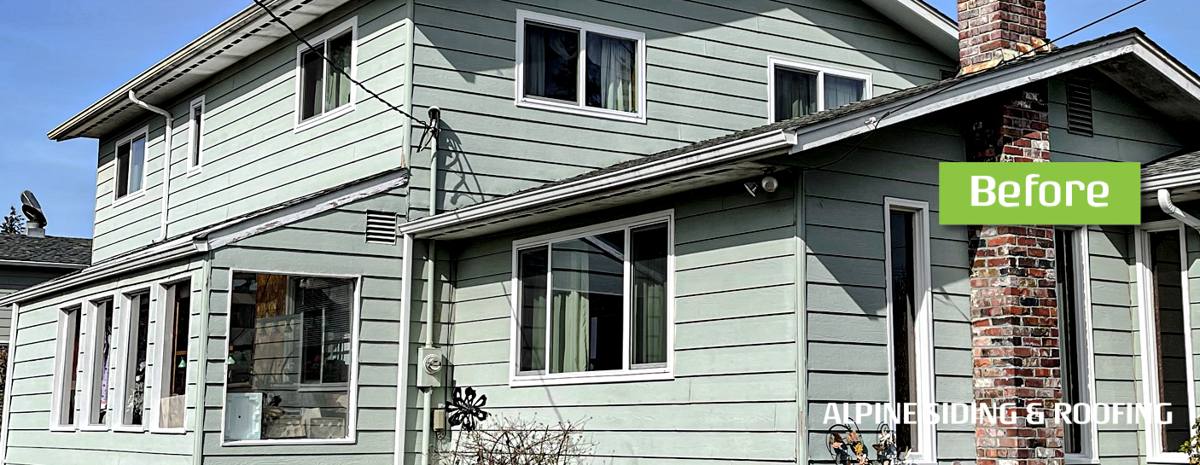
Siding on a waterfront home takes a beating from the same combination of salt, sun, and moisture as the roof, plus more direct exposure to wind-driven rain at the wall level. We install and repair several siding types, and we're upfront about which ones hold up better in this kind of setting.
- Fiber cement holds paint well, resists moisture and pest damage, and handles coastal exposure better than most wood-based products — it's our most common recommendation for Coquina Key homes.
- Vinyl siding is a lower-cost option that performs fine when properly installed, though lower-grade panels can fade or become brittle faster under intense, near-constant Florida sun.
- Wood siding can work with disciplined maintenance, but the combination of humidity and salt air here means it needs more frequent sealing and inspection than in a drier climate — we explain that maintenance commitment upfront rather than after installation.
Installation detail matters as much as material choice: proper house wrap, correctly lapped and sealed seams, and attention to window and door transitions are what actually keep wind-driven rain out of the wall assembly.
Window Services
Windows are one of the most common paths for water intrusion during a wind-driven rain event, and one of the biggest sources of energy loss the rest of the year. On Coquina Key, we look at three things: the window's wind rating relative to its exposure, the quality of the seal and flashing around the frame, and whether the glass and frame are holding up to salt air and UV without excessive fading, hazing, or hardware corrosion.
Impact-rated and high wind-rated windows are common upgrades for homes here, both for storm protection and because they typically carry better weatherstripping and seals that resist wind-driven rain even outside of a named storm. Replacement isn't always necessary — sometimes reworking flashing, sealant, or hardware on existing windows solves the actual leak or draft issue.
Deck Services
Decks on or near the water face a different set of stresses: near-constant moisture, salt spray, and structural components (posts, joists, fasteners) that are more exposed to the elements than a typical roof or wall assembly. We build and repair decks with materials and hardware chosen for that exposure — corrosion-resistant fasteners, decking rated for coastal moisture exposure, and framing details that account for standing water and drainage rather than fighting them.
Composite decking is a common choice for waterfront properties because it resists moisture damage and doesn't need the same repeated sealing that wood decking does, though it comes at a higher upfront cost. Pressure-treated wood decking is still a reasonable option for homeowners who prefer it and are willing to keep up with sealing and inspection — we lay out that trade-off honestly rather than pushing one material as the only right answer.
Why a Local Crew Matters Here
A roofing or siding crew that mostly works inland jobs won't necessarily think about salt-rated fasteners, wind-driven rain detailing, or the humidity cycle the way a crew that regularly works Pinellas County's waterfront neighborhoods does. We work in and around St. Petersburg, including Coquina Key, and that means we're familiar with the local permitting process, the county's wind and building code requirements for coastal exposure, and the specific failure patterns that show up on homes in this kind of setting — not just generic Florida roofing advice.
It also means we can usually get to a Coquina Key property faster for an inspection, repair, or storm-damage assessment than a contractor based farther away, which matters when a leak needs to be addressed before the next round of rain.
Maintenance: What Coquina Key Homeowners Should Watch For
Coastal exposure doesn't mean a roof or exterior needs constant attention — it means the small checks matter more, and small problems need to be caught earlier than they would inland.
- Check roof flashing and pipe boots for cracking or lifting at least once a year, and after any major storm
- Look for rust streaking near fasteners, vents, or metal flashing — an early sign of salt corrosion
- Inspect caulking and sealant around windows and door frames; it dries out faster under constant UV than most homeowners expect
- Clean gutters and downspouts regularly so wind-driven rain has somewhere to go instead of backing up under roofing edges
- Watch for chalking, fading, or brittleness on siding as an early sign it's due for cleaning, repainting, or repair
- After any tropical storm or hurricane, do a visual check from the ground for missing shingles, lifted panels, or new stains before assuming everything is fine
What Affects the Cost of Roofing and Exterior Work Here
Every property is different, but a few factors consistently move the price on Coquina Key jobs more than they would on a typical inland home.
| Factor | Why It Matters Near the Water |
|---|---|
| Material grade and fastener rating | Coastal-rated materials and corrosion-resistant hardware cost more upfront but reduce premature failure from salt exposure |
| Wind rating requirements | Homes closer to open water may fall under stricter wind-load requirements depending on local code and exposure category |
| Roof pitch and access | Waterfront lots and canal-front setbacks can affect equipment access and staging, which affects labor time |
| Existing damage or deck condition | Salt and moisture damage found once work begins (rotted decking, corroded flashing) can add scope beyond the original estimate |
| Permitting and inspection | Coastal-zone permitting can involve additional review compared to inland projects, which affects timeline more than base cost |
We walk through these factors during an in-person estimate rather than quoting blind over the phone, because the difference between a straightforward job and one with hidden complications is usually only visible once we're actually looking at the roof, walls, or deck structure.
Get a Free Estimate
If you own a home in Coquina Key and want an honest look at your roof, siding, windows, or deck — whether it's routine maintenance, storm-related damage, or a full replacement you're planning ahead for — we're happy to come take a look. There's no pressure and no obligation. Use the form below to request a free estimate and we'll go from there.