 St. Petersburg Roofing
 Roofing and Exterior Work in Disston Heights
Disston Heights is one of the established, tree-lined residential neighborhoods that make up the inland core of St. Petersburg. It's a working, lived-in part of Pinellas County — mostly single-family homes on modest lots, many of them owned for years by the same family. That kind of neighborhood has a specific set of exterior needs, and it's different from what you'd plan for a brand-new subdivision or a condo tower on the beach. Roofs, siding, windows, and decks here have to hold up to the same statewide threats as everywhere in the Tampa Bay area — hurricane-force wind events, punishing UV exposure nearly 365 days a year, wind-driven rain that finds every weak seam, and salt-laden air that migrates inland further than most people assume. But the age and construction style of the housing stock in a neighborhood like this also shapes what actually needs attention first.
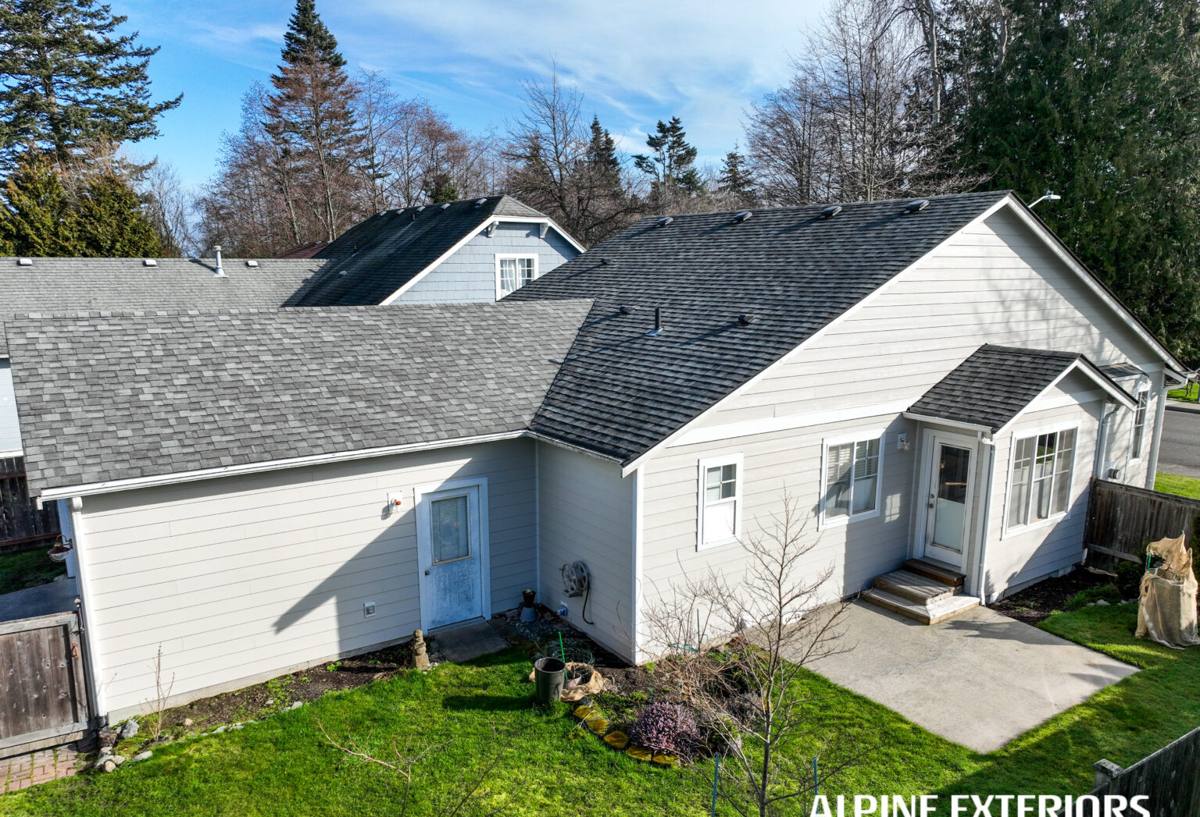
What Pinellas County Climate Does to a Roof Over Time
St. Petersburg sits on a peninsula, which means even homes several miles from open water still deal with airborne salt content in the atmosphere. Combine that with subtropical sun and a wind climate that includes tropical storms and hurricanes most years, and you get a short list of failure points that show up over and over on inspections in this part of the county:
UV and Heat Cycling
Florida sun breaks down roofing materials from the surface in. Asphalt shingles lose granules and oils, membranes chalk and stiffen, and sealants around penetrations dry out and crack years before a homeowner in a milder climate would expect. Daily heat cycling — hot afternoons followed by cooler nights — also stresses fasteners and flashing over time.
Wind-Driven Rain
It's rarely straight-down rain that causes leaks here. Wind pushes rain sideways and upward under shingle edges, around vent boots, and through aging flashing details. A roof can look fine from the ground and still be taking on water at the details during every heavy squall.
Salt Air Corrosion
Metal components — fasteners, flashing, gutter hardware, and any exposed metal trim — corrode faster this close to the Gulf than they would inland in most other states. This is one of the most overlooked factors in material selection, and it's a big reason product and fastener choice matters more here than it does in most of the country.
Wind Uplift
Hurricane and tropical storm wind events put direct uplift pressure on roof edges, ridges, and corners — the areas most likely to fail first if a roof wasn't installed with proper nailing patterns, starter strip coverage, and edge metal.
The Housing Stock in Disston Heights
Neighborhoods like Disston Heights include a mix of decades-old homes and more recently updated properties, which means roof age and condition vary a lot from block to block. Older roof decking and older-generation shingle or built-up roofing products don't always meet current Florida Building Code wind and moisture standards, even if they still look serviceable from the curb. When we're asked to look at a roof in this area, we're not just checking for obvious damage — we're checking whether the underlying deck, ventilation, and flashing details would actually hold up code-compliant materials, or whether there's deferred work hiding under a roof that looks fine on the surface.
Roofing Materials: How They Compare for This Climate
There's no single "best" roofing material for every home — it depends on budget, roof pitch, HOA rules where they apply, and how long the homeowner plans to stay in the house. Here's how the common options stack up for a Pinellas County home specifically:
| Material | Typical Lifespan Here | Wind/Storm Performance | Maintenance Reality |
|---|---|---|---|
| Architectural asphalt shingle | 15–25 years | Good, when installed with proper nailing and rated for high wind | Lowest upfront cost; periodic inspection after storms; granule loss over time |
| Standing seam metal | 30–50 years | Excellent uplift resistance with proper fastening | Low ongoing maintenance; higher upfront cost; needs quality fasteners to resist salt corrosion |
| Concrete or clay tile | 30–50 years | Strong if tiles and underlying attachment are rated and intact | Individual tiles can crack from impact or foot traffic; underlayment beneath tile still ages and needs eventual replacement |
| Flat/low-slope membrane (TPO, modified bitumen) | 15–25 years | Depends heavily on seam quality and edge detailing | Common on additions, porches, and some ranch-style homes; needs regular seam and drain inspection |
For most single-family homes in this neighborhood, architectural shingle remains the most common replacement choice because it balances cost with acceptable performance — but we'll always walk a homeowner through the trade-offs rather than default to one product out of convenience.
Siding, Windows, and Decks: The Rest of the Exterior Envelope
A roof doesn't work in isolation — it's one part of the building envelope, and the same climate stresses hit siding, windows, and outdoor structures just as hard.
Siding
Older homes in this area may still have original wood or early-generation vinyl or aluminum siding, all of which show their age differently: wood can suffer moisture intrusion and rot at joints, older vinyl becomes brittle and fades unevenly under sustained UV, and aluminum can dent and show chalking. Fiber cement and modern vinyl profiles are common replacement choices because they hold paint and color better under Florida sun and resist moisture at the seams, but every product still needs correct flashing and house-wrap detailing behind it — the siding itself is only as good as the water management system underneath it.
Windows
Homes of the era common in Disston Heights frequently still have single-pane or early dual-pane windows that predate current Florida Building Code impact and wind-load requirements. Beyond storm protection, older window frames and seals also lose efficiency over time, letting in heat and humidity. Impact-rated or properly protected windows address both the storm risk and the day-to-day comfort and energy cost of an aging home.
Decks
Wood and composite decks in this climate face constant UV bleaching, humidity-driven wood movement, and fastener corrosion in exposed hardware. A deck that isn't built or maintained with the right ledger flashing, joist protection, and fastener grade will show rot or corrosion issues well before the visible boards look worn out.
Salt Air and Long-Term Maintenance Reality
Because Disston Heights isn't directly on the waterfront, homeowners sometimes assume salt exposure isn't a major factor there. In practice, airborne salt travels well inland across the whole Tampa Bay peninsula, and it accelerates corrosion on any exposed metal — roof fasteners, gutter systems, flashing, door and window hardware, and deck fasteners all included. This is one of the reasons we specify corrosion-resistant fastener and flashing grades as standard practice rather than an upgrade, regardless of which neighborhood in St. Petersburg we're working in.
Hurricane Season Readiness Checklist
Whether your roof is new or getting older, a few basic checks before and after storm season catch most problems while they're still small and inexpensive to fix:
- Walk the roofline (or have it inspected) for lifted, cracked, or missing shingles/tiles after any named storm
- Clear gutters and downspouts so wind-driven rain has somewhere to go besides under the roof edge
- Check attic spaces after heavy rain for staining, damp insulation, or musty odor — early signs of a slow leak
- Inspect sealant around roof penetrations (vents, stacks, skylights) annually; sealant is a wear item, not a one-time fix
- Confirm window and door seals are intact before hurricane season, especially on older single-pane units
- Check deck ledger boards and hardware for rust staining or soft wood, particularly where the deck meets the house
- Trim back tree limbs that overhang the roofline to reduce debris and abrasion damage during high wind
Why a Local Crew Matters for This Neighborhood
Working on homes across St. Petersburg and Pinellas County day in and day out means we see the same patterns repeatedly — how a certain era of roof deck behaves, which flashing details fail first on a given home style, and how quickly certain materials age under this specific combination of sun, salt, and storm exposure. That familiarity matters more than it might seem: it's the difference between a crew guessing at what a Florida roof needs and a crew that's already seen how the last twenty roofs like it held up ten years later. It also means we're accountable locally — we're not driving in from out of the area for one job and gone the next day.
What to Expect When You Call Us
For roofing, siding, window, or deck work in Disston Heights, our process starts with an honest, no-pressure look at the actual condition of what you have — not just the surface, but the decking, flashing, and structure underneath. We'll walk through what's genuinely urgent versus what can be planned for down the road, give you real material options with honest trade-offs, and put together a straightforward quote. There's no upsell script — just a clear picture of your home's exterior and what it needs.
If you'd like a free, no-pressure estimate on your roof, siding, windows, or deck in Disston Heights, fill out the form below and we'll get in touch to schedule a look at your home.