 St. Petersburg Roofing
 Why Wind Is the Number One Threat to St. Petersburg Roofs
Ask any roofer who's worked in Pinellas County for more than a few storm seasons what causes the most roof damage, and the answer is almost always wind. Not necessarily a direct hurricane hit — sustained tropical-storm-force gusts, squall lines rolling off the Gulf, and the wind-driven rain that comes with them do more cumulative damage over the years than most homeowners realize. St. Petersburg's exposure on the Pinellas peninsula means roofs here take wind loading from multiple directions across a single hurricane season, and that repeated stress adds up long before a named storm ever makes landfall.
Layer on the region's near-constant UV exposure and the salt air drifting in off Tampa Bay and the Gulf, and you have a climate that ages roofing materials faster than almost anywhere else in the country. Wind finds the weak points that sun and salt have already been working on — a shingle tab that's gone brittle, a fastener that's corroded, a seam that's lost its adhesion. Understanding how these forces interact is the first step to protecting your roof and, if damage happens, getting it fairly assessed and covered.
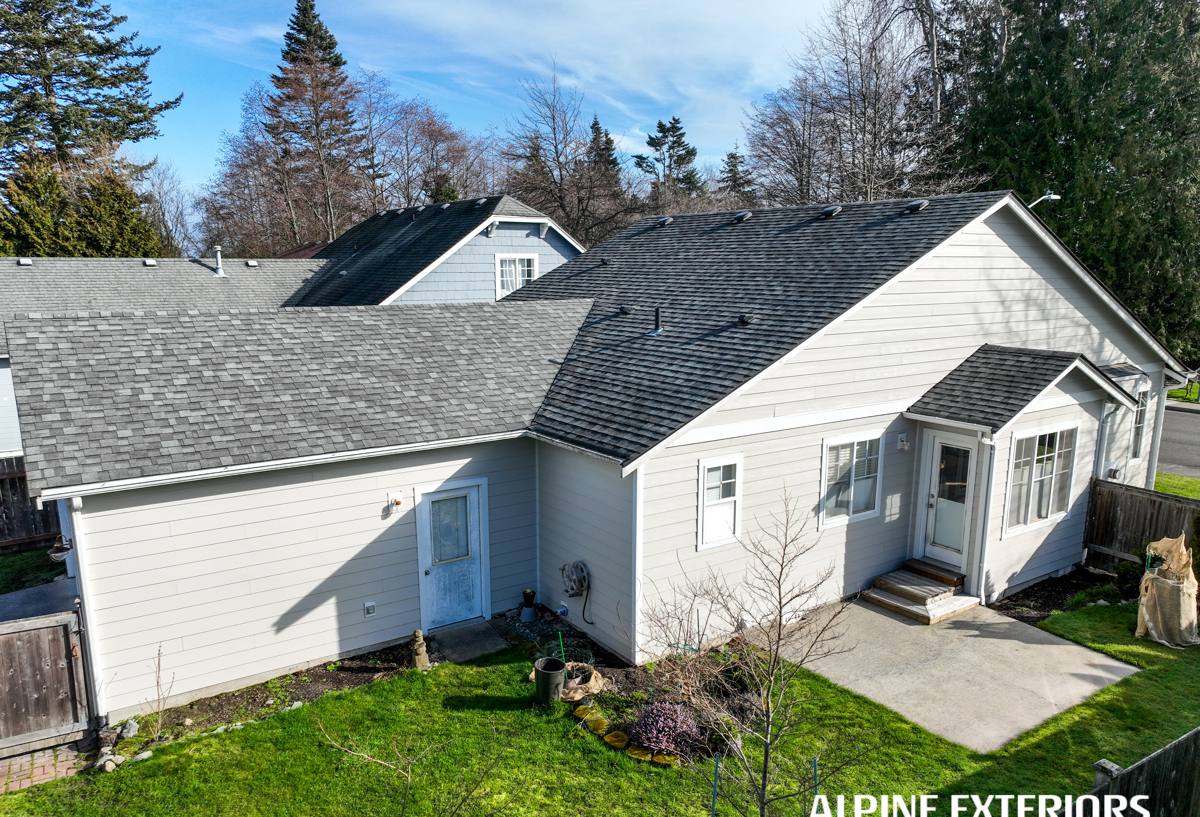
How Wind Actually Damages a Roof
Wind doesn't just push down on a roof — it creates uplift, the same aerodynamic force that lifts an airplane wing. As wind passes over a roof surface, especially at edges, corners, and ridges, it creates a pressure difference that pulls up and outward. This is why damage so often starts at the perimeter of a roof rather than the middle field.
The Vulnerable Zones
- Roof edges and rakes — the drip edge and first few feet of shingles or panels see the highest uplift pressure in any wind event.
- Corners — where two wind pressure zones overlap, corners experience the most extreme forces on the entire roof.
- Ridges and hips — cap shingles and ridge vents are exposed on multiple sides and are frequently the first components to lift or crack.
- Flashing and penetrations — vent boots, chimney flashing, and skylight curbs rely on sealant and mechanical fastening that wind and thermal cycling gradually loosen.
Once wind gets under even one shingle tab or panel edge, it has leverage. A single lifted shingle in a 60 mph gust can peel back several courses above it in seconds. That's why storm damage often looks patchy and directional — concentrated on the side of the roof that faced the wind, with less visible damage elsewhere.
Signs of Wind Damage After a Storm
Not all wind damage is obvious from the ground. Missing shingles are easy to spot, but plenty of damage that still qualifies for a claim is subtler. After any significant wind event, it's worth doing a careful visual check — from the ground with binoculars, not by climbing onto a wet or wind-stressed roof yourself.
- Shingles that look creased, curled, or lifted at the corners, even if they haven't blown off
- Bare or shiny patches where granules have been scoured off asphalt shingles
- Exposed nail heads or fastener lines that used to be covered
- Bent, dented, or missing ridge cap pieces
- Gaps or separation at flashing around chimneys, vents, and skylights
- Debris — twigs, leaves, granule buildup — collected in gutters or downspouts
- Water stains on interior ceilings or in the attic that appeared after the storm
- Soft spots or sagging when walking the roof (should only be checked by a professional)
Photograph anything you can see safely from the ground the same day, and again once a contractor can get up on the roof. Timestamped photos taken close to the event are some of the most persuasive documentation in a claim.
Wind Damage vs. Ordinary Wear — Why the Distinction Matters
Insurance policies cover sudden, storm-related wind damage. They do not cover gradual deterioration from age, sun exposure, or lack of maintenance. Adjusters are trained to distinguish between the two, and a large share of claim disputes come down to this exact question. Knowing the difference helps you understand what an adjuster is actually looking for.
| Characteristic | Likely Wind/Storm Damage | Likely Wear and Aging |
|---|---|---|
| Pattern | Concentrated on one side or the windward exposure | Spread evenly across the whole roof |
| Shingle condition | Torn, creased, or missing with fresh exposed underlayment | Curled, brittle, and granule-bare from UV breakdown |
| Timing | Damage appears after a specific storm date | Develops slowly over multiple seasons |
| Fastener condition | Nails pulled or sheared, edges lifted | Nails intact but sealant strips have dried out |
| Underlying cause | Wind uplift or wind-driven debris impact | Age, heat cycling, salt-air corrosion over time |
Most real-world roofs show a mix of both — a roof that's already aged from years of Florida sun and salt air is also more vulnerable to wind damage in the first place. A thorough inspection report should document both conditions honestly, since that context helps an adjuster understand why the storm caused the specific damage it did.
The Insurance Claims Process, Step by Step
1. Document Before You Touch Anything
Photograph and, where safe, take video of the damage before any tarping or temporary repairs. Note the date and, if you can find it, the recorded wind speeds for that storm in your area.
2. Make Reasonable Temporary Repairs
Most policies require you to prevent further damage — tarping an exposed area, for example. Keep receipts for materials and any emergency work. This isn't optional; failing to mitigate further damage can affect a claim.
3. Get an Independent Roof Inspection
Before or alongside filing, have a licensed local roofer inspect the roof and prepare a written report with photos. This gives you your own record, independent of the insurance company's adjuster, to compare against.
4. File the Claim Promptly
Florida law sets time limits for filing wind and hurricane claims after the date of loss, so don't sit on it. Report the claim to your carrier with your documentation attached.
5. Meet the Adjuster on Site
Whenever possible, have your contractor present when the insurance adjuster inspects the roof. A contractor who does this work regularly can point out damage an adjuster might otherwise miss, and can speak to the technical cause of specific damage.
6. Review the Settlement Carefully
Compare the insurer's scope of work and estimate against your own contractor's assessment. If there's a meaningful gap, you can request a supplement, appeal, or in some cases invoke your policy's appraisal clause.
Common Reasons Wind Claims Get Denied or Reduced
- Pre-existing damage argument — the insurer attributes the damage to age or lack of maintenance rather than the storm
- Missing documentation — no dated photos or independent report to counter the adjuster's findings
- Cosmetic-only classification — some policies distinguish functional damage from cosmetic granule loss, which can limit coverage
- Late reporting — filing outside the statutory or policy notice window
- Matching disputes — insurer approves repair of the damaged slope only, when code or manufacturer requirements call for a broader match
- Underinsurance — replacement cost coverage that hasn't kept pace with current roofing material and labor costs
A written, photo-backed inspection report from a contractor who saw the roof close to the date of loss is the single best defense against most of these outcomes.
Roofing Materials and Wind Performance
When it's time to repair or replace, wind performance should factor into the material decision — not just upfront cost. Every roofing material sold in Florida has to meet Florida Building Code wind requirements for our wind zone, but products vary in how much margin they carry above the minimum, and in how they perform over years of UV and salt exposure.
| Material | Typical Wind Rating | Notes for St. Petersburg Conditions |
|---|---|---|
| Standard 3-tab shingles | Lower end of code-compliant range | More budget-friendly; shorter service life in this climate |
| Architectural (laminate) shingles | Mid-to-high wind rating, varies by product | Better wind resistance and UV durability than 3-tab; the common upgrade choice |
| Impact/wind-rated (Class 4) shingles | Highest shingle-category rating | Added resistance to wind and hail impact; may qualify for insurance premium discounts |
| Standing seam metal | High, with proper fastening system | Strong wind performance and long service life; higher upfront cost |
| Tile (concrete or clay) | Varies widely by fastening method | Attachment system matters as much as the tile itself in wind events |
Whatever material you choose, the fastening pattern, underlayment, and edge detailing matter as much as the shingle or panel rating on the box. A premium product installed with minimum-code fastening won't outperform a mid-grade product installed correctly.
Choosing a Contractor for Storm Damage and Claims Support
Storm season brings out door-knocking crews from out of state who disappear once the check clears. A few basics protect you regardless of who you hire:
- Confirm active Florida licensing and that the license is in good standing
- Ask for proof of liability insurance and workers' compensation coverage
- Get a written, itemized scope of work — not just a lump-sum number
- Be cautious of anyone asking you to sign an assignment of benefits without fully understanding what it does
- Choose a contractor with a physical, verifiable local presence, not just a P.O. box
- Ask how they document damage for insurance purposes and whether they'll meet the adjuster on site
A reputable local contractor isn't there to inflate a claim — they're there to make sure the damage that's actually there gets documented and repaired correctly, and that the settlement reflects the real scope of work.
Living with Wind, Sun, and Salt Air Long-Term
Because Pinellas County roofs face this combination of stresses every year, not just during storms, routine maintenance matters more here than in drier, calmer climates. Twice-yearly visual inspections, prompt attention to lifted shingles or damaged flashing, and keeping gutters clear all reduce the chance that ordinary wind turns into a major failure. Salt-laden air accelerates corrosion on exposed metal fasteners and flashing, so materials and hardware rated for coastal exposure are worth the modest extra cost. None of this eliminates storm risk, but a well-maintained roof simply holds up better when the wind picks up — and it makes the difference between "storm damage" and "damage waiting to happen" much clearer if you ever do need to file a claim.
If you're dealing with recent wind damage, want a second opinion on an insurance estimate, or just want your roof looked at before the next storm rolls through, we're happy to come out and take a look. The estimate is free, there's no pressure, and you'll get a straight answer about what your roof actually needs.