 St. Petersburg Roofing
 Exterior Work in Shore Acres: What the Neighborhood Is Up Against
Shore Acres sits close to the water on the northeast side of St. Petersburg, and that proximity shapes almost every exterior decision homeowners here end up making. Homes in this part of Pinellas County deal with a specific combination of stressors: salt-laden air moving in off Tampa Bay, long stretches of intense UV exposure nearly year-round, sudden wind-driven rain events, and the real possibility of hurricane-force winds during storm season. None of these factors is unique to Shore Acres on its own, but the combination — low elevation, water on multiple sides, and older housing stock in many blocks — means exteriors here age differently than they would ten miles inland.
We work this neighborhood regularly, which matters more than it might sound. A crew that only sees Shore Acres occasionally treats every job like a generic Florida install. A crew that's here often starts to notice patterns: which roof types are holding up, where moisture tends to find its way into soffits first, which decks are showing UV breakdown earlier than expected. That local pattern recognition shapes how we inspect, what we flag, and what we recommend.
Roofing: Built for Salt Air and Storm Season, Not Just Sunshine
Salt Air and Metal Fasteners
Homes closer to the bay see accelerated corrosion on exposed metal — fasteners, flashing, drip edge, and vent components in particular. It's not dramatic, it's slow, and it's the kind of thing that gets missed on a quick visual inspection from the ground. On roofing jobs in Shore Acres we pay close attention to fastener and flashing material, because the wrong grade of hardware here can start showing rust well before the shingles or tiles themselves are due for attention.
Wind Rating and Uplift
Pinellas County's building code reflects the fact that this is a hurricane-exposed coastline, and roofing systems installed here need to meet wind uplift requirements that a lot of national roofing companies aren't used to building to as a baseline. Proper nailing patterns, correctly rated underlayment, and sealed ridge and edge details aren't upgrades — they're what keeps a roof intact when a named storm comes through. We install to code minimums as a floor, not a ceiling.
UV Breakdown
Florida sun is hard on roofing materials in a way that's easy to underestimate if you haven't lived through a few summers here. Asphalt shingles lose oils and granules faster under sustained UV exposure, and lower-quality underlayment can become brittle years ahead of its rated life. Material selection matters more in St. Petersburg than it does in a lot of the country, and we talk through that trade-off honestly with every roofing customer rather than defaulting to whatever's cheapest to install.
Siding: Managing Moisture Near the Bay
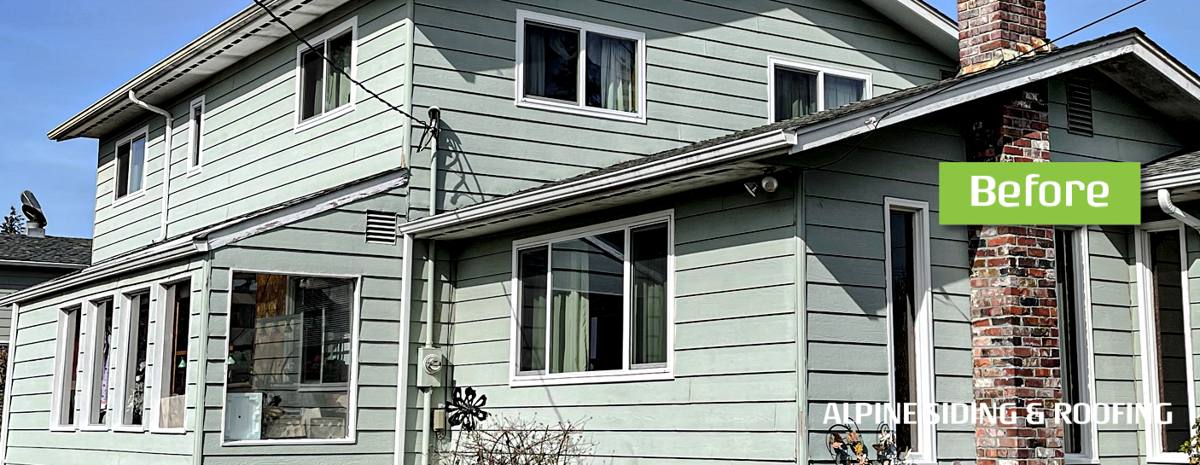
Siding in Shore Acres has to do two jobs at once: shed wind-driven rain during storms and resist the slow moisture creep that comes from humidity and salt air the rest of the year. We see a fair amount of siding in this area that failed not because the material itself was bad, but because of how it was installed — gaps at seams, poor flashing around windows and doors, or house wrap that wasn't lapped correctly. That's a workmanship issue, not a product issue, and it's exactly why installation quality matters as much as material choice.
Fiber cement and quality vinyl systems both perform well in this climate when installed correctly, with attention to drainage planes and proper caulking at penetrations. We size up each home's exposure — how close it sits to the water, which direction it faces, how much shade it gets — before recommending a specific product or approach, rather than pushing one material across every job.
Common Siding Trouble Spots in Coastal Neighborhoods
- Corner boards and trim where caulking has dried out and cracked, letting moisture behind the siding
- J-channel around windows that wasn't properly integrated with the house wrap
- Lower courses of siding near grade that stay damp longer after wind-driven rain
- Fastener corrosion on older aluminum or steel siding installations
- Fading and chalking on south- and west-facing walls from sustained UV exposure
Windows: Impact Resistance and Everyday Comfort
Window decisions in a neighborhood like Shore Acres usually come down to two questions: what happens during a storm, and what happens on a normal 95-degree August afternoon. Impact-rated windows address the first — they're built to stay intact under wind-borne debris, which matters given how exposed this part of St. Petersburg is during hurricane season. For homeowners not ready for a full impact-window investment, properly rated shutters paired with quality windows is a legitimate, more affordable path to code compliance that we're upfront about as an option.
On the everyday side, low-E glass and proper frame sealing cut down on how hard your air conditioning has to work, which is a real cost consideration when cooling season here runs most of the year. We also check existing window flashing and sealant during any roofing or siding project, since a leak at a window opening often gets misdiagnosed as a roof problem when the water is actually coming in somewhere else entirely.
Decks: Standing Up to Sun and Humidity
Outdoor living space is a big part of why people choose to live in a neighborhood like Shore Acres, but decks here take a beating from constant UV and humidity swings. Wood decking needs consistent maintenance — sealing, staining, and inspection for rot at ground contact points and fasteners — to hold up long term in this climate. Composite decking trades that maintenance burden for a higher upfront cost, and for a lot of homeowners near the water, that trade-off makes sense given how much sun and moisture exposure the structure will see.
Whatever material is chosen, the structural framing underneath matters just as much as the visible decking. Ledger board attachment, joist spacing, and fastener corrosion resistance all need to account for this being a coastal, high-humidity environment — not generic construction specs pulled from a national handbook.
Comparing Common Exterior Material Choices for This Climate
| Component | Lower-Maintenance Option | Traditional Option | Key Trade-Off Near the Bay |
|---|---|---|---|
| Roofing | Architectural shingle w/ enhanced underlayment | Standard 3-tab shingle | UV and wind uplift performance vs. upfront cost |
| Siding | Fiber cement | Standard vinyl | Impact/moisture durability vs. installed cost |
| Windows | Impact-rated glass | Standard glass + shutters | Storm protection convenience vs. shutter deployment effort |
| Decking | Composite | Pressure-treated wood | Maintenance time vs. material cost |
None of these is a universally "right" choice — the right call depends on the home's exposure, the homeowner's budget, and how much ongoing maintenance they want to take on. We walk through this table's real-world version with every customer during the estimate, specific to their property.
Why a Local Crew Matters in Shore Acres
A lot of exterior contractors working the greater Tampa Bay area treat every neighborhood the same. We don't think that serves homeowners well. A crew that regularly works Shore Acres and the surrounding St. Petersburg neighborhoods develops a feel for things a generic estimate can miss: how close a given block sits to tidal flooding risk, which older homes were built before current wind code and need extra attention at the roof deck, and how salt exposure varies even a few blocks apart depending on prevailing wind direction.
Being local also means we're accountable after the job is done. If a storm rolls through and something needs a look, we're a short drive away, not a call center routing you to whichever subcontractor is available. That kind of continuity is worth factoring into any contractor decision, especially for roofing and siding work meant to last well over a decade.
What to Check Before Hiring Anyone for Exterior Work Here
- Florida state contractor license, verifiable and current
- General liability and workers' compensation insurance, with proof provided directly, not just claimed
- Familiarity with Pinellas County's wind uplift and permitting requirements, not just general Florida code
- A written scope of work that specifies materials, fastening methods, and underlayment or flashing details — not just a total price
- Manufacturer certifications for the specific products being installed, where applicable
- A clear explanation of workmanship warranty terms separate from manufacturer material warranty terms
Getting Started
Whether you're dealing with a roof that's due for replacement, siding that's showing its age, windows that need to meet current wind code, or a deck that's past its prime, the right first step is an honest, in-person look at what your specific home is facing. If you're in Shore Acres or elsewhere in St. Petersburg, we're glad to come out, walk the property, and give you a straightforward assessment along with a free, no-pressure estimate — no obligation, just a clear picture of your options.