 St. Petersburg Roofing
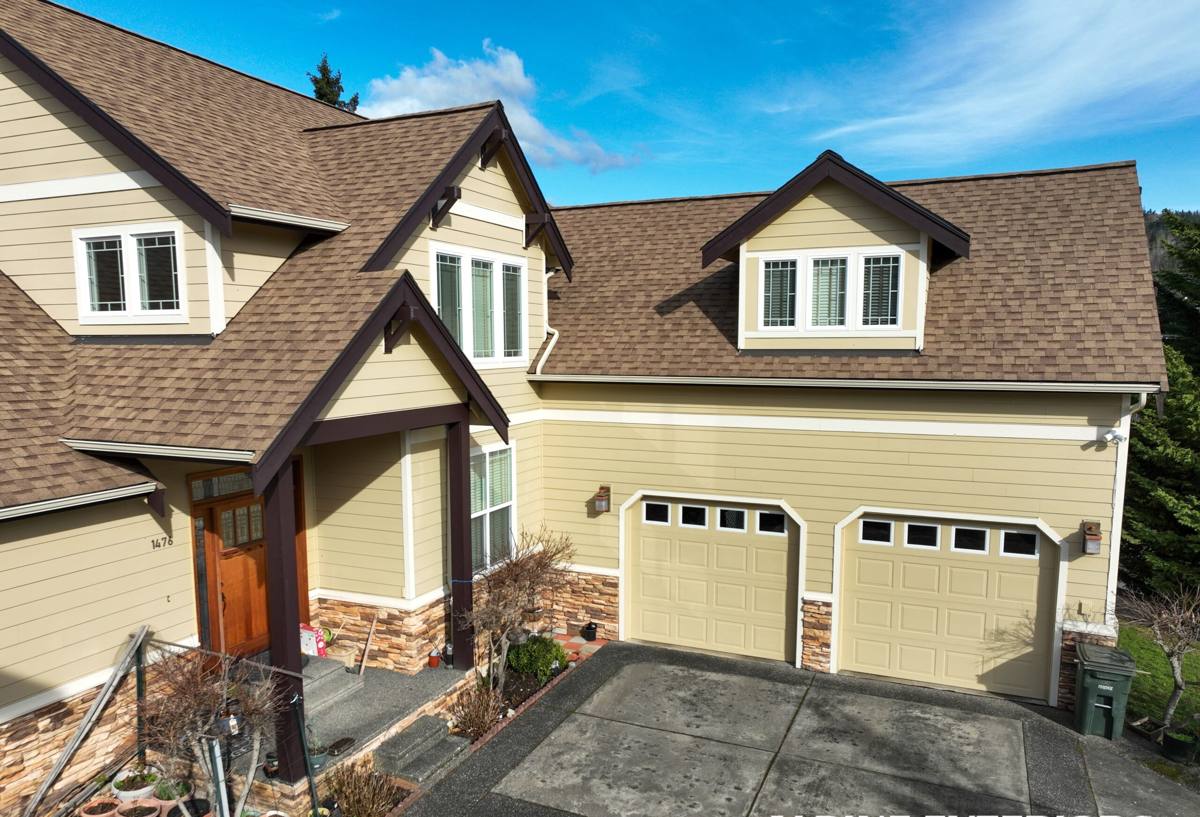
 New Roof Installation Built for Euclid-St. Paul
Homes in the Euclid-St. Paul area sit close enough to the water and the urban core of St. Petersburg that they take a specific kind of punishment most inland Florida homes don't see in the same combination. Older housing stock, mature tree canopy, and proximity to Tampa Bay mean roofs here are working against wind-driven rain, salt-laden air, and near-constant UV exposure at the same time. A new roof installation in this neighborhood isn't a generic swap-out job — it's a chance to correct whatever the original roof got wrong and put something on the house that's actually matched to Pinellas County conditions.
This page covers what a full roof replacement looks like specifically for Euclid-St. Paul: what the climate demands, what a correct installation actually involves, how we run the job from estimate to final inspection, and why hiring a crew that already knows this part of St. Petersburg is worth something.
Why This Climate Is Hard on Roofs
Hurricane-Force Wind and Wind-Driven Rain
Pinellas County roofs don't just need to shed rain — they need to survive wind trying to peel them off from the edges in, which is how most storm damage starts. Wind-driven rain also gets pushed sideways and upward under shingle tabs and around flashing details that would never be tested by a normal downpour. A roof that looks fine in a light rain can still leak badly in a sideways summer storm if the underlayment and flashing weren't done correctly the first time.
Year-Round UV and Heat
St. Petersburg gets intense sun essentially every month of the year, and that constant UV load breaks down asphalt shingles, dries out sealant strips, and accelerates granule loss faster than it would in a milder climate. Attic temperatures under a poorly ventilated roof can climb high enough to shorten shingle life from the underside as well as the top.
Salt Air
Being close to the bay means airborne salt settles on roofing materials and metal components over time. Fasteners, flashing, and any exposed metal need to be corrosion-resistant, or they become the weak point in an otherwise sound roof years before the shingles themselves are due for replacement.
Signs a Euclid-St. Paul Roof Needs Replacement, Not Another Repair
Not every roof problem calls for a full tear-off. But there's a point where patching stops making financial sense and a new roof becomes the honest recommendation. We look for:
- Granule loss heavy enough that shingles look bald or patchy from the ground
- Multiple leak points in different areas of the roof, not just one isolated spot
- Soft or spongy decking found during inspection, indicating water has already reached the wood
- Shingles curling, cracking, or lifting at the edges — common after years of UV and wind exposure
- A roof already at or past the manufacturer's expected service life for this climate
- Visible sagging along the roofline, which usually points to structural issues underneath
If a roof is showing one or two of these in isolation, repair may still be the right call. When several show up together, replacement is usually the more cost-effective long-term decision — repeated repairs on an aging roof add up without solving the underlying problem.
What a Correct New Roof Installation Actually Involves
Full Tear-Off and Deck Inspection
We remove the existing roofing material down to the deck rather than layering over it. This is the only way to actually see the condition of the plywood or OSB underneath — rotted or delaminated decking has to be replaced before anything new goes on, or the new roof is sitting on a compromised foundation.
Underlayment and Secondary Water Barrier
Given how much wind-driven rain this area sees, the underlayment layer matters as much as the visible shingles. A synthetic underlayment with self-adhering membrane in vulnerable areas (valleys, eaves, around penetrations) gives the roof a real second line of defense if wind ever pushes water past the primary surface.
Flashing, Fasteners, and Corrosion Resistance
Every place the roof meets something else — chimneys, walls, vents, skylights — is a potential leak point if the flashing isn't done right. In a salt-air environment, we use corrosion-resistant fasteners and flashing materials so this part of the roof doesn't fail years ahead of the shingles.
Ventilation
Proper intake and exhaust ventilation keeps attic temperatures and moisture in check, which protects both the new roofing material and the decking underneath it from the inside out. Ventilation is easy to overlook because it's invisible from the ground, but it has a direct effect on how long a new roof actually lasts.
Material Options for This Climate
There's no single "best" roofing material for every home — the right choice depends on budget, the look you want, and how long you plan to be in the house. Here's an honest comparison of the main options for a Pinellas County home:
| Material | Typical Lifespan Here | Wind Performance | Maintenance Notes |
|---|---|---|---|
| Architectural Asphalt Shingle | 20-30 years | Good, with proper high-wind rated installation | Periodic inspection after storms; most common choice regionally |
| Standing Seam Metal | 40-50+ years | Excellent when properly fastened | Higher upfront cost, very low ongoing maintenance |
| Concrete or Clay Tile | 40-50+ years | Strong, but individual tiles can crack from impact | Underlayment typically needs replacement before tiles do |
| 3-Tab Asphalt Shingle | 15-20 years | Lower wind resistance than architectural shingles | Lowest upfront cost; shorter service life in this climate |
We'll walk through these trade-offs honestly during your estimate rather than pushing whatever has the best margin. Most homeowners in this area land on architectural asphalt shingle for the balance of cost, appearance, and wind performance, but metal is worth serious consideration if you're planning to stay in the home long-term.
Our Process for a Euclid-St. Paul Roof Replacement
- Inspection and estimate — we assess the current roof, decking condition, and any problem areas, and give you a clear written estimate with no pressure to sign on the spot.
- Material selection — we go over the options that fit your budget and the look of the home, with honest guidance on what performs best in this climate.
- Permitting — we handle the permit process with the City of St. Petersburg before work begins.
- Tear-off and deck repair — old material comes off, decking is inspected, and any damaged sections are replaced.
- Underlayment, flashing, and ventilation — the parts of the job that don't show but determine how well the roof actually performs in wind and rain.
- Installation of new roofing material — installed to manufacturer specifications and local wind-rating requirements.
- Cleanup and final walkthrough — the property is cleaned of debris and nails, and we walk the finished roof with you.
- Final inspection — coordinated as required to close out the permit.
Permits, Wind Mitigation, and Insurance
New roof installations in St. Petersburg require a permit, and Pinellas County's building code reflects the area's hurricane exposure — including requirements around wind rating and fastening patterns that aren't the same as what you'd see in a less storm-exposed part of the country. Once the new roof is complete, it's worth asking your insurance agent about a wind mitigation inspection. A new roof installed to current code can qualify a home for meaningful savings on windstorm insurance premiums, since insurers price risk based on roof age, material, and how well it's fastened down. We can point you toward what documentation you'll want for that conversation, though the inspection and insurance discussion itself is between you and your carrier.
Why Local Experience in Euclid-St. Paul Matters
A roofing crew that regularly works this neighborhood already understands things a crew from across the county has to learn on the fly: the age and construction style of homes in this part of St. Petersburg, how close some lots sit to mature trees and overhead lines, and what the City's permitting process actually looks like in practice. That familiarity shows up in fewer surprises during the job — knowing what's likely hiding under the existing shingles on a home of this era, and planning around it instead of discovering it mid-tear-off. It also means a crew that's around locally if a question comes up after the job is done, not a company that did one project in the area and moved on.
Get a Straightforward Estimate
If your roof is showing its age or you just want an honest opinion on whether repair or replacement makes more sense, we're happy to take a look. The form below gets you a free, no-pressure estimate for a new roof installation built for what Euclid-St. Paul homes actually deal with — hurricane-strength wind, constant UV, and salt air off the bay.