 St. Petersburg Roofing
 Deck Repair Built for Old Northeast's Older Homes
Old Northeast is one of St. Petersburg's oldest residential neighborhoods, and the decks behind its bungalows, Mediterranean Revivals, and Craftsman-style homes are often just as old — or built decades later on top of framing that was never designed for Florida's climate. A deck here isn't just outdoor furniture space. It's a structure exposed to year-round UV, sudden downpours, hurricane-season winds, and salt-laden air drifting in off Tampa Bay. That combination ages wood, fasteners, and connections faster than most homeowners expect, and it does it quietly — until a board flexes underfoot or a rail wiggles more than it should.
We work on decks throughout St. Petersburg and Pinellas County, and Old Northeast's mix of mature tree canopy, older lot drainage, and historic-district architecture gives its decks a specific repair profile: more moisture retention from shade, more fastener corrosion from age and coastal air, and more mismatched past repairs from a century of different owners and contractors. Fixing a deck here means understanding that history, not just patching what's visible.
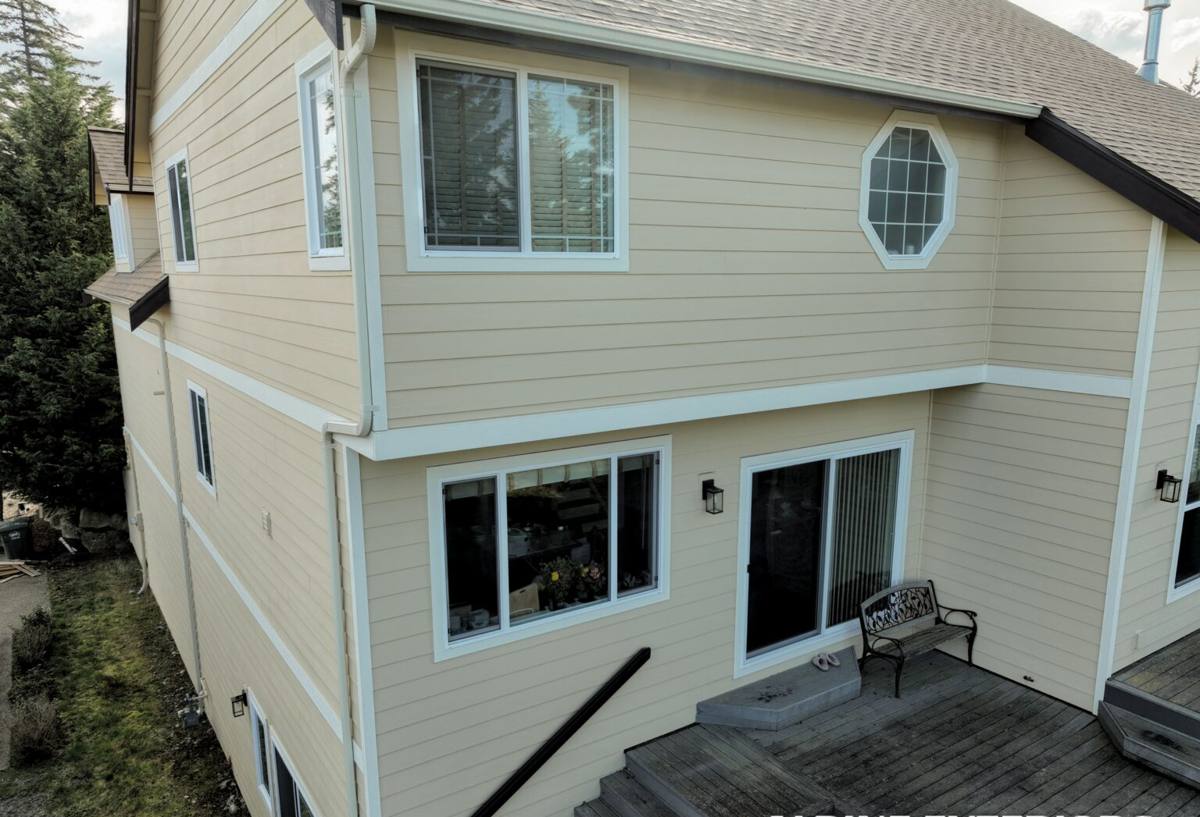
What Florida's Climate Does to a Deck Over Time
Every deck in Pinellas County is fighting the same slow battle, but Old Northeast's tree-shaded lots change the pace of it in specific ways.
UV and Heat
Constant sun exposure dries out wood fibers and breaks down sealants and stains far faster than in northern climates. Boards that look fine can be brittle underneath, and finishes that were applied a few years ago may no longer be doing their job.
Wind-Driven Rain and Humidity
St. Petersburg's storm pattern means rain often comes in sideways, driving water into joints, under railings, and along ledger board connections — the places most decks actually fail. Shaded yards, common in Old Northeast, slow evaporation after storms, so wood stays damp longer than it would in full sun. That extended moisture exposure is what leads to rot, especially where boards meet posts or where old caulking has failed.
Salt Air
Even away from the immediate waterfront, salt carried on Gulf breezes accelerates corrosion on fasteners, brackets, and any exposed metal hardware. Corroded fasteners lose grip strength long before the wood around them looks obviously damaged, which is why a deck can seem structurally fine visually and still have a real safety issue at the connection points.
Hurricane-Season Wind Loads
Pinellas County's wind exposure means decks, especially elevated ones, need railings, post connections, and ledger attachments that can handle real lateral and uplift forces — not just support someone's weight standing still.
Signs an Old Northeast Deck Needs Repair, Not Just Cleaning
- Boards that feel spongy, springy, or noticeably flex when walked on
- Railings or posts that wiggle, lean, or have any side-to-side play
- Visible gaps, splitting, or cupping in deck boards
- Rust streaks around fasteners or visible corrosion on brackets and hangers
- Soft or discolored wood where the deck attaches to the house (the ledger board)
- Stairs that feel less solid than they used to, or treads that shift
- Standing water that doesn't drain within a reasonable time after rain
- Nails backing out or screws that spin freely instead of holding
Any one of these on its own might be minor. Several together, especially near the house connection or stair stringers, usually mean the repair needs to go past the surface.
What a Correct Deck Repair Actually Involves
A lot of deck "repairs" amount to replacing a few obviously bad boards and calling it done. That approach misses the connections that actually carry the load — and in a climate like ours, those connections are usually where the real problem is.
Inspection First
Before any repair, we check the ledger board attachment to the house, post bases, joist hangers, and railing posts — not just the decking surface. This is also where we look for prior repair work that wasn't done to code, which is common on older Old Northeast homes that have changed hands multiple times.
Structural Repairs Before Cosmetic Ones
Rotted or undersized framing, corroded hardware, and loose post connections get addressed before any board replacement or refinishing. Replacing surface boards over a compromised frame just hides the problem for a while.
Fastener and Hardware Selection
Given the salt air and humidity, we use fasteners and connectors rated for coastal, corrosive environments — not standard interior-grade hardware that will start rusting within a couple of seasons.
Board Replacement Done to Match
Whether the deck is wood or composite, replacement boards need to be properly spaced for drainage and expansion, and secured in a way that matches the surrounding structure's load path — not just screwed down wherever they fit.
Drainage and Airflow
Poor airflow underneath a deck traps moisture and speeds up rot, especially on shaded Old Northeast lots. Part of a correct repair is making sure water has somewhere to go and air can move underneath.
Repair vs. Full Rebuild: How We Help You Decide
| Factor | Repair Usually Makes Sense | Rebuild Usually Makes Sense |
|---|---|---|
| Framing condition | Solid, isolated soft spots | Widespread rot in joists or posts |
| Ledger board | Intact, properly flashed | Rotted or improperly attached to house |
| Age of structure | Under ~15 years, well maintained | Original to an older home, never upgraded |
| Code compliance | Meets current railing/stair standards | Undersized railings, missing hardware, old permits unclear |
| Extent of damage | Limited to a few boards or one section | Damage spread across multiple structural areas |
We'll always tell you honestly which category your deck falls into. Sometimes a repair genuinely is the right call and a rebuild would be spending money you don't need to spend. Other times, patching a deck with failing framing just delays a bigger cost and adds risk in the meantime — we'd rather tell you that up front than sell you a repair we know won't hold.
Our Process for Old Northeast Deck Repairs
- On-site inspection — we walk the full structure, check framing, connections, and hardware, not just the walking surface
- Honest assessment — we explain what we found, what's causing it, and what your realistic options are
- Written scope and estimate — clear on what's being repaired, what materials and hardware we're using, and why
- Repair work — structural fixes first, then board and finish work, using fasteners and materials suited to coastal Florida exposure
- Final walkthrough — we check the finished work with you before considering the job done
What "Correct" Fastener and Hardware Choices Mean in Practice
We don't treat hardware selection as a minor detail. Standard zinc-coated screws and brackets that work fine inland can corrode within a few years this close to the Gulf. Our standard for coastal Pinellas County deck work is stainless steel or coated fasteners and connectors rated for corrosive environments, sized correctly for the load they're carrying — not the cheapest option that happens to fit.
Why Hire a Crew That Already Works in Old Northeast
Old Northeast's historic character means a lot of its homes have deck additions that were built at different times, sometimes by different owners, sometimes without much thought to how they'd hold up to Gulf coast weather. A crew that regularly works in this neighborhood has seen the common failure patterns before: which framing setups tend to trap moisture, which older repair techniques don't hold up, and where local drainage and tree cover tend to cause the most trouble. That familiarity means less time spent diagnosing and more time spent actually fixing the problem correctly the first time.
We're a St. Petersburg roofing and exterior contractor, and we bring the same standard to deck repair that we bring to roofing in this climate: identify the real cause, not just the visible symptom, and use materials that are actually suited to Pinellas County's heat, humidity, storms, and salt air — not generic materials that happen to be cheaper.
Maintenance That Extends the Life of an Old Northeast Deck
- Reseal or restain wood decking on a regular schedule — Florida sun breaks finishes down faster than most other regions
- Keep gutters and downspouts clear so runoff isn't dumping extra water directly onto or under the deck
- Trim back overhanging foliage where practical to improve airflow and sun exposure on shaded sections
- Check railings and stair connections for movement once or twice a year, especially after storm season
- Address small issues — a loose board, a soft spot — before they spread to surrounding framing
None of this eliminates the need for repairs eventually; Florida's climate makes that a matter of when, not if. But consistent maintenance stretches the time between repairs and keeps small issues from becoming structural ones.
If you've got a deck in Old Northeast that's showing any of these signs — or you just want an honest opinion on its condition — we're happy to take a look. Fill out the form below for a free, no-pressure estimate.