 St. Petersburg Roofing
 Why Old Southeast Homes Need a Different Approach to Metal Roofing
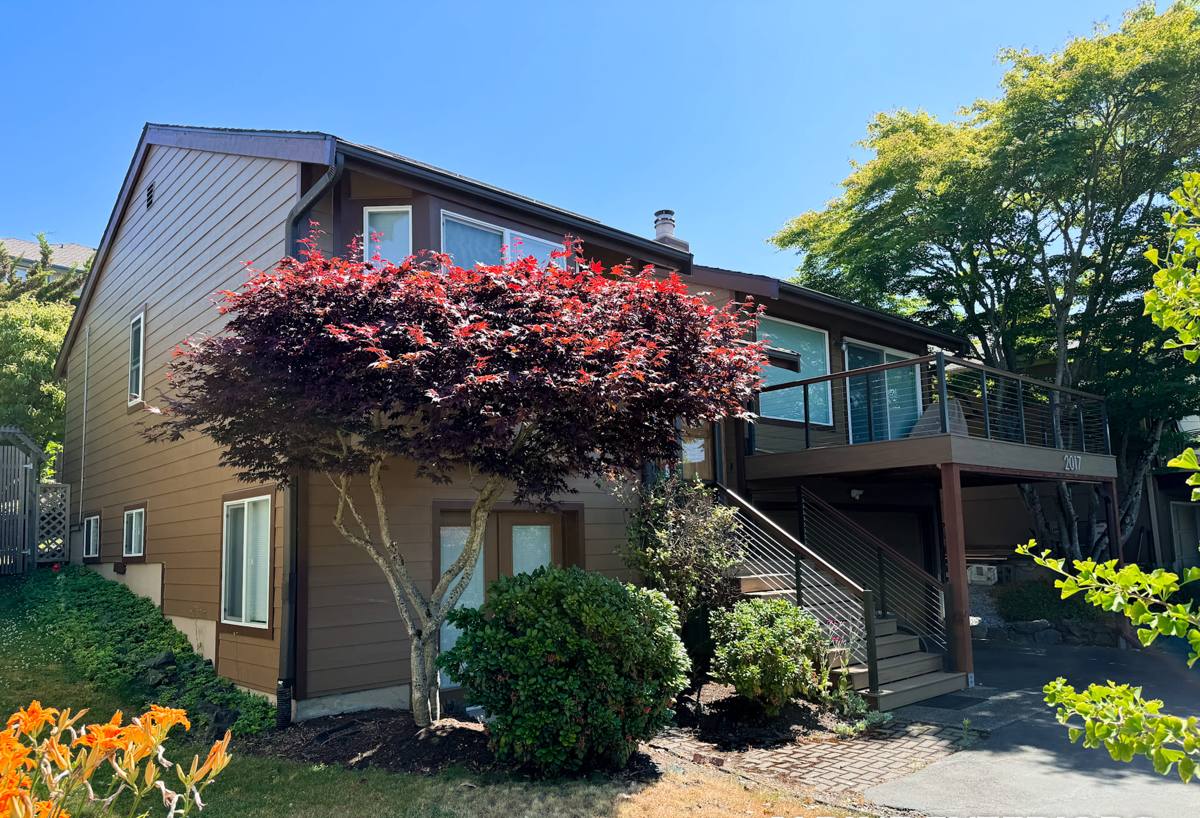
Old Southeast is one of St. Petersburg's older residential neighborhoods, and the housing stock reflects it: bungalows, Craftsman-style homes, and early-to-mid-20th-century construction with roof framing and decking that predates modern building code. A metal roofing job on one of these homes isn't the same job as a metal roof on a house built in 2015. The deck underneath may be true tongue-and-groove board sheathing instead of plywood or OSB, the rafters may be sized differently than current code assumes, and the roof geometry often includes features — dormers, low-slope porch roofs, multiple ridge lines — that don't show up on newer production-built homes nearby.
None of that makes metal roofing a bad fit. If anything, metal is one of the better long-term answers for a historic home in this part of Pinellas County, because it holds up to the specific abuse this climate delivers year after year: sustained hurricane-force wind events, intense subtropical UV exposure nearly twelve months a year, wind-driven rain that gets pushed sideways under poorly sealed flashing, and salt-laden air drifting off Tampa Bay that accelerates corrosion on anything not rated for a coastal environment. Getting a metal roof right on an older home means respecting both the age of the structure underneath and the realities of what St. Petersburg weather does to a roof over time.
What the Local Climate Actually Does to a Roof
Every roofing material sold in Florida claims to handle "hurricane conditions," but the failures we see after storms are rarely about the panel itself — they're about the details around it. A few things matter specifically here:
Wind Uplift
St. Petersburg sits in a high-wind design zone. Panels, fasteners, and clip spacing all need to be selected and installed to a wind rating that matches the exposure category of the property, not just "whatever the manufacturer's minimum spec allows." Corner and edge zones of a roof carry dramatically higher uplift pressure than the field of the roof, which is where older, poorly fastened roofs tend to peel back first.
Wind-Driven Rain
Rain in a tropical storm or hurricane rarely falls straight down — it's pushed sideways, sometimes hard enough to work its way under standard shingle-style underlayment at laps, valleys, and penetrations. Metal roofing systems need a self-adhered, high-temperature underlayment at vulnerable areas to actually stop that intrusion, not just a standard felt layer.
UV and Heat Cycling
Florida sun is harder on roofing materials than most of the country experiences. Constant UV exposure breaks down inferior coatings and sealants over years of daily heat cycling, and dark, unventilated attic spaces intensify the effect. Coating quality and attic ventilation both directly affect how long a metal roof actually performs, not just how it looks the day it's installed.
Salt Air Corrosion
Old Southeast is close enough to the water that salt aerosol is a real, ongoing factor, especially on the side of a roof that faces prevailing wind off the bay. Bare or poorly coated steel fasteners, trim, and flashing corrode faster here than they would inland. Material choice and fastener grade need to account for that from day one — not get "discovered" as a maintenance problem five years in.
Choosing the Right Metal for a Coastal, Historic Property
Not every metal roofing product performs the same way in a salt-air environment, and the differences matter more on an older home where you want the roof to outlast a couple of coatings on the walls and trim, not need replacement again in a decade.
| Material | Corrosion Resistance Near the Bay | Weight on Older Framing | Best Fit |
|---|---|---|---|
| Aluminum | Excellent — does not rust, handles salt exposure very well | Light, low added load on original rafters | Homes closer to the water or with older/lighter framing |
| Galvalume steel | Good with quality coating; cut edges need proper sealing | Moderate | Most inland and mid-distance properties with a solid deck |
| Painted steel (lower-grade coatings) | Weaker in direct salt exposure over time | Moderate | Not our first recommendation this close to Tampa Bay |
| Copper | Excellent, develops a natural patina over decades | Heavier, higher cost | Accent roofs, porch roofs, or homeowners restoring original architectural detail |
We also pay attention to fastener grade and finish system. A panel is only as durable as the fasteners holding it down and the flashing tying it into the rest of the roof — stainless steel or coated fasteners rated for coastal use cost more upfront and save real money over the life of the roof. On finish, a PVDF (Kynar-type) coating resists fading and chalking from UV far better than a basic polyester paint system, which matters on a roof that will sit in Florida sun for decades.
Standing Seam vs. Exposed-Fastener Panels for Historic Homes
Both systems can work, but they solve different problems, and the right choice depends on the roof's slope, exposure, and how visible the roof is from the street.
| Feature | Standing Seam | Exposed-Fastener |
|---|---|---|
| Fasteners | Hidden under raised seams — no exposed penetrations | Fasteners driven through the panel face, sealed with washers |
| Wind performance | Generally stronger uplift resistance due to concealed clip fastening | Solid, but depends heavily on gasket condition over time |
| Long-term maintenance | Very low — no exposed fasteners to re-seal | Washers and sealant can degrade under UV and need periodic checking |
| Appearance on historic homes | Cleaner, more tailored look many historic district guidelines favor | More visible rib pattern, often used on secondary structures or outbuildings |
| Typical cost | Higher material and labor cost | Lower upfront cost |
For a primary residence in Old Southeast, standing seam is usually our recommendation — the concealed fastening handles wind-driven rain and salt exposure better over the long run, and it tends to fit the visual character of an older, well-kept street more naturally than an exposed rib panel.
Working With an Older Roof Deck
This is the part of the job that gets skipped when a crew doesn't have experience with historic housing stock, and it's where problems show up years later if it's rushed. Before any metal goes down, we check:
- Deck material and condition — plank/board decking common in older homes needs different fastener spacing and sometimes overlay sheathing to give panels a solid, even nailing surface
- Soft spots, rot, or past water staining around chimneys, dormers, and valleys
- Whether the existing structure can carry the new roof's weight, especially if switching from a lighter material to something heavier like copper
- Attic ventilation — intake and exhaust paths that may be undersized or blocked on an older home
- Old fastener penetrations and prior repair patches that need to be properly addressed, not just covered over
Covering a compromised deck with a beautiful new roof just hides the problem for a while. On a historic home, we'd rather flag deck repairs honestly upfront than have a homeowner deal with a leak two years later that traces back to something that should have been caught during tear-off.
Respecting the Neighborhood's Character
Old Southeast is the kind of neighborhood where roofs are visible from the street and from neighboring properties, and a lot of homeowners here care about keeping their home's original look intact, whether or not the property sits inside a formally reviewed historic district. Metal roofing gives you options that read as appropriate for an older home rather than out of place: standing seam profiles in low-gloss, muted colors that reference traditional metal roofing rather than a shiny, modern look; panel widths and seam spacing chosen to match the proportions of the roof; and coordinated flashing and trim color rather than mismatched off-the-shelf pieces.
If your property falls within a locally designated historic district or is subject to any design review, material and color changes to a visible roof may require approval before work begins. We factor that into the timeline and paperwork rather than treating it as an afterthought, so there are no surprises mid-project.
Our Installation Process
- Roof and attic inspection — full evaluation of the deck, framing, flashing points, and ventilation before any pricing is finalized.
- Material and profile selection — matched to the home's exposure, roof geometry, and, where applicable, neighborhood or district guidelines.
- Tear-off and deck repair — removal of the existing roofing material and repair or replacement of any compromised decking or framing found underneath.
- Underlayment — high-temperature, self-adhered underlayment at eaves, valleys, and penetrations for wind-driven rain protection, with synthetic underlayment across the field.
- Panel installation — fastened and clip-spaced to the wind rating required for the property's exposure, with attention to corner and edge zones.
- Flashing and detail work — chimneys, dormers, valleys, and wall intersections sealed and flashed correctly, which is where most metal roof failures actually originate.
- Ventilation check and correction — intake and exhaust ventilation confirmed or added so the attic and new roof system perform as intended.
- Final walkthrough — review of the completed roof and documentation for insurance and warranty purposes.
Ventilation and Moisture: The Part Homeowners Don't See
A metal roof that looks perfect from the ground can still cause problems if the attic underneath isn't breathing correctly. Poor ventilation traps heat and humidity, which shortens the life of decking, insulation, and even the underside of the roofing system itself. On older homes, ventilation was often an afterthought when the house was originally built, or it's been compromised over the years by insulation added without regard to airflow. Part of doing this job correctly means checking soffit intake and ridge or gable exhaust and correcting it as part of the roofing project — not treating it as a separate, optional add-on.
Maintenance That Actually Matters
Metal roofing is low-maintenance compared to shingles, but "low-maintenance" isn't "no-maintenance," especially this close to the bay. A simple annual routine goes a long way:
- Rinse off salt residue and debris, particularly on roof faces exposed to prevailing wind
- Check fasteners and washers on exposed-fastener systems for backing out or sealant wear
- Inspect flashing around chimneys, dormers, and valleys after major storms
- Clear leaves and debris from valleys and gutters so water isn't held against seams
- Watch for scratches or coating damage from tree limbs or foot traffic and touch up promptly to prevent corrosion starting at the exposed metal
Why a Crew That Knows Old Southeast Matters
Roofing an older home in an established St. Petersburg neighborhood isn't the same as roofing new construction out toward the county line. Narrow lots, mature trees, alley access, and homes built close together all affect how a project gets staged and protected. A crew that's worked this neighborhood before knows what these roof decks tend to look like once you're under the old material, understands what the local permitting office expects for wind mitigation documentation, and isn't guessing about how to handle the property line and landscaping constraints that come with an older, established block. That familiarity translates directly into fewer surprises, a faster timeline, and a finished roof that fits the home instead of looking bolted on.
If you own a home in Old Southeast and you're weighing metal roofing, we're glad to walk the roof with you, take an honest look at what's underneath, and lay out real options and costs — no pressure, no scare tactics. Use the form below to request a free estimate.