 St. Petersburg Roofing
 Roofing a Waterfront Neighborhood Is a Different Job
Coquina Key sits on the water — canals wrap nearly every block, and that changes what a roof has to survive compared to a home a few miles inland. Salt-laden air moves off the canals and Tampa Bay year-round, humidity stays high, and the same waterfront setting that makes the neighborhood desirable also means faster corrosion on exposed metal, more algae growth on shaded slopes, and higher wind loads during storm season. A roof installed here needs to be specified for those conditions from day one, not treated the same as a standard inland re-roof.
We install new roofs throughout St. Petersburg and Pinellas County, and Coquina Key is one of the neighborhoods we're in regularly. That matters more than it sounds like it should — knowing the housing stock, the typical roof pitches and deck conditions in the area, and how the county permitting and inspection process runs for this part of the city keeps a project moving instead of stalling on surprises.
What Coquina Key's Climate Actually Does to a Roof
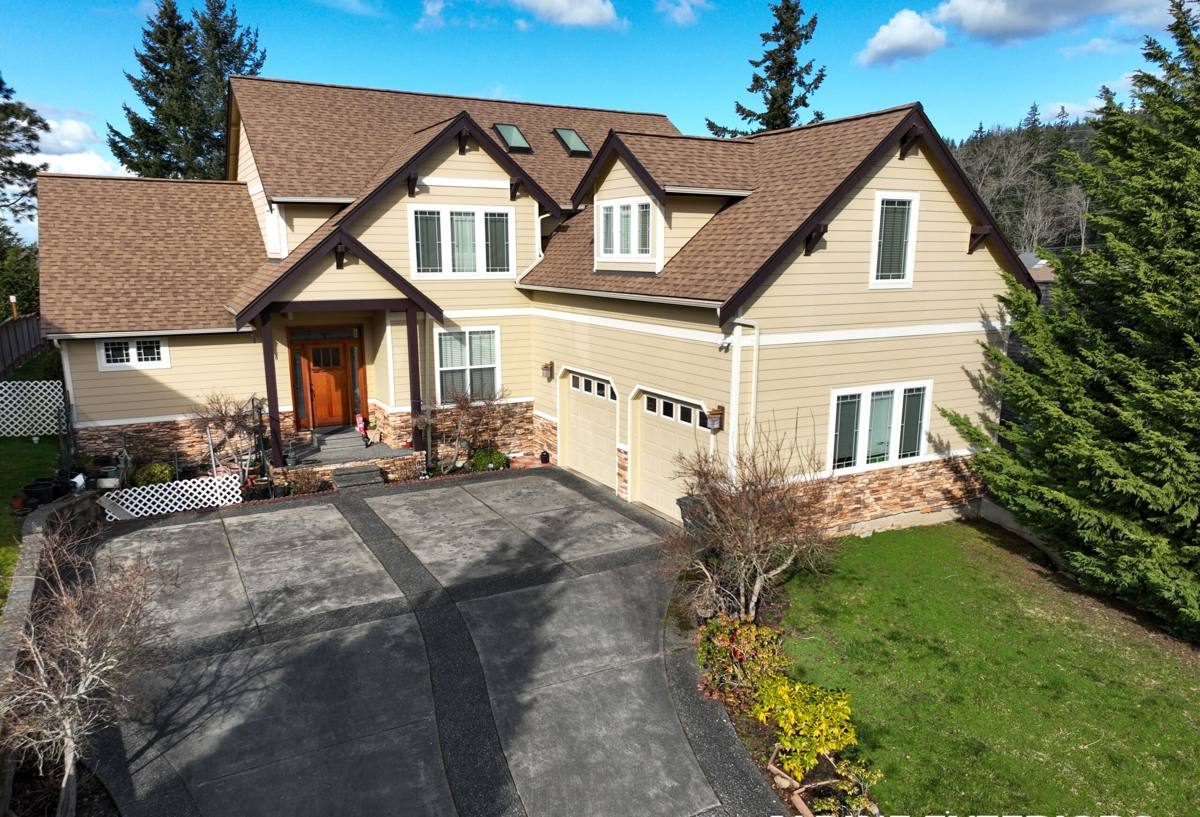
This isn't generic Florida weather — it's Florida weather with a canal fifty feet from the eaves. A few specific stresses show up more here than on a typical inland job:
- Salt air corrosion: exposed fasteners, flashing, and metal roof panels near the water corrode faster than the same materials installed a few miles inland. Metal grade and fastener coating matter more here.
- Wind-driven rain: during tropical storms and hurricanes, rain doesn't just fall — it's pushed sideways under shingle tabs and around flashing. Underlayment and flashing detail work is what actually keeps water out, not just the shingle itself.
- UV exposure: open water reflects sunlight back up at the underside of eaves and soffits, adding to the year-round UV load that already breaks down asphalt shingles and dries out sealants.
- Humidity and algae: shaded, north-facing slopes near canal foliage stay damp longer, which is where you see the dark algae streaking first.
- Wind uplift: being close to open water can mean slightly higher sustained gusts during storms than a sheltered inland lot, which is exactly what proper nailing patterns and wind ratings are designed to resist.
What a Correct New Roof Installation Involves
Tear-Off and Deck Inspection
Every job starts with a full tear-off down to the deck — never a layover on top of old shingles. That's the only way to actually see what's underneath: soft or delaminated plywood, rot around old flashing points, or deck fastening that doesn't meet current wind code. On canal-front homes we pay particular attention to any area that's shown past staining or soft spots, since chronic humidity can quietly work on a deck for years before it shows on the surface.
Underlayment
Given the wind-driven rain this area sees during storm season, we treat underlayment as a real second line of defense, not a formality. Self-adhered underlayment at eaves, valleys, and penetrations, with synthetic underlayment across the field, gives the roof a backup water barrier if wind ever drives moisture past the shingles or panels themselves.
Flashing
Flashing failure — not shingle failure — is the most common reason older roofs leak, especially around chimneys, walls, skylights, and roof-to-wall transitions. On a salt-air property we specify corrosion-resistant flashing material and make sure every transition is properly stepped and sealed, not just caulked over.
Fastening and Wind Rating
Pinellas County requires roofing work to meet current Florida Building Code wind-load standards, and that's not negotiable on a coastal or canal-front property. Proper nailing patterns, fastener count, and, where applicable, matched components rated as a system all factor into how the roof performs in a real windstorm — not just whether it passes inspection.
Ventilation
Attic ventilation affects both comfort and roof lifespan. Poor airflow traps heat and moisture under the deck, which shortens shingle life and can contribute to wood rot over time. We check existing ventilation and recommend corrections as part of the install, not as an upsell afterward.
Material Choices for a Canal-Front Property
There's no single "best" roofing material for Coquina Key — it depends on the home, the budget, and how much long-term maintenance the owner wants to take on. Here's how the common options actually compare in this specific setting.
| Material | Salt Air Performance | Wind Performance | Maintenance |
|---|---|---|---|
| Architectural asphalt shingle | Good with proper flashing and fasteners | Strong when rated and installed to code | Low — periodic inspection |
| Standing seam metal | Excellent with marine-grade or coated fasteners | Very strong; sheds wind-driven rain well | Low, but fastener condition should be checked periodically |
| Tile (concrete or clay) | Very good — tile itself resists salt | Strong when properly fastened; underlayment is the weak point over time | Moderate — underlayment life is the limiting factor |
| Uncoated or lower-grade metal fasteners/trim | Poor near open water — accelerated rust and staining | N/A | High — early replacement of hardware likely |
Whatever material an owner chooses, the detail work — flashing, fastener grade, underlayment — is what determines whether it actually holds up on a canal lot. We'll walk through the honest trade-offs for your specific roof rather than pushing one product across every job.
Our Process, Start to Finish
- On-site inspection: we walk the roof and attic, check the deck condition where accessible, and note existing flashing, ventilation, and any signs of past leaks.
- Written estimate: a clear scope covering material, tear-off, deck repair allowance, flashing, and underlayment — no vague line items.
- Permitting: we pull the required City of St. Petersburg / Pinellas County permit and handle code compliance so the owner isn't left navigating that alone.
- Tear-off and deck repair: full removal of the old roof, replacement of any compromised decking found.
- Underlayment and flashing installation: the layers that do most of the real waterproofing work.
- New roof installation: installed to manufacturer specification and current wind-load code.
- Cleanup and magnetic sweep: full site cleanup, including a nail sweep of the yard and driveway.
- Final walkthrough and inspection: we review the completed roof with the homeowner and coordinate the final county inspection.
Why Local Experience in Coquina Key Matters
A roofing crew that regularly works this neighborhood already understands things a first-time visitor has to figure out on the fly: how the local permitting timeline runs, what deck conditions tend to show up in homes of this area's typical age, and how much extra attention salt exposure needs on a canal-facing slope versus a street-facing one. That familiarity translates into fewer surprises mid-project and a scope that's accurate from the first estimate — not one that grows once the tear-off starts.
It also means we're not guessing about wind and rain exposure here — we've seen how storms move through this part of St. Petersburg and Pinellas County, and we build that into how we flash, fasten, and underlay every roof we install in the area.
Signs a Coquina Key Home May Need a New Roof
- Shingles that are curling, cracking, or missing granules in large patches
- Visible sagging anywhere along the roofline
- Daylight visible through the attic decking
- Recurring leaks after heavy rain or wind events, even after past patch repairs
- Heavy, persistent algae or moss streaking on shaded slopes
- Rusted or deteriorating flashing and exposed fasteners
- A roof approaching or past its material's expected service life
- Difficulty getting or keeping insurance coverage due to roof age or condition
Cost Factors to Expect
Every roof is priced individually, but on Coquina Key properties, a few factors tend to move the number more than they might on an inland job:
| Factor | Why It Matters Here |
|---|---|
| Roof size and pitch | Determines base material and labor cost |
| Deck condition | Homes near the water can have hidden moisture damage that adds repair cost once uncovered |
| Material choice | Metal and tile cost more upfront but handle salt air and wind differently than asphalt |
| Flashing and fastener grade | Corrosion-resistant hardware costs more but is worth it this close to open water |
| Access and site conditions | Canal-front lots, docks, and landscaping can affect equipment staging |
We give a firm, itemized estimate before any work starts — no surprise change orders once the tear-off is underway, barring deck damage that genuinely couldn't be seen beforehand.
Get a Free Estimate
If your Coquina Key roof is showing its age or you're planning ahead of hurricane season, we're glad to come take a look. There's no cost and no pressure — just a straight assessment of what your roof actually needs and honest options for getting it done right. Use the form below to request your free estimate.