 St. Petersburg Roofing
 Siding Installation in Gulfport, St. Petersburg
Gulfport sits close to the water, and that proximity shapes what a home's exterior has to withstand year after year. Between the salt air rolling off Boca Ciega Bay, the intense Florida sun, wind-driven rain during summer storms, and the real possibility of hurricane-force gusts, siding in this part of Pinellas County works harder than siding almost anywhere else in the country. A product or installation method that performs fine in a drier, milder climate can fail here in a fraction of the time. This page covers what siding installation actually involves in Gulfport specifically, what the local climate demands from the material and the crew, and why we install one product system rather than offering a menu of options.
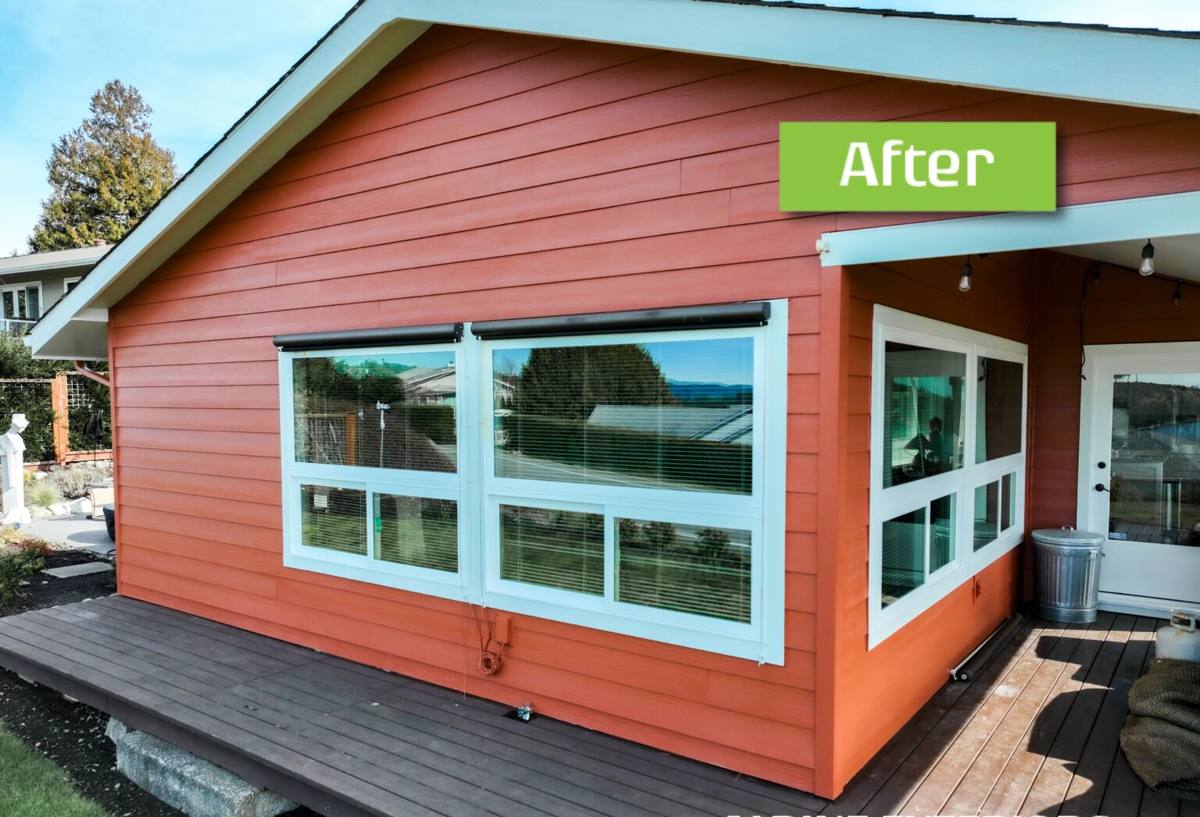
What Gulfport's Climate Does to Siding
Homes in Gulfport and the surrounding St. Petersburg area deal with a combination of stressors that most siding products were never engineered to handle simultaneously.
Salt Air and Corrosion
Being near the bay means airborne salt settles on exterior surfaces constantly. Salt is corrosive to metal fasteners and trim, and it degrades certain finishes and coatings faster than inland exposure would. Siding, fasteners, and flashing all need to be selected and installed with that reality in mind, not treated as an afterthought.
UV Exposure
Florida's sun is intense and consistent nearly year-round. Cheap or poorly formulated paint finishes chalk, fade, and break down under that kind of sustained UV load, which means homeowners end up repainting far more often than they expected when they chose the product.
Wind-Driven Rain
Rain in this region rarely falls straight down. Coastal storms push rain sideways into wall assemblies, which means siding systems need to actually manage water, not just look water-resistant. Poor flashing details, gaps at penetrations, or materials that absorb and hold moisture all become liabilities during heavy weather.
Hurricane-Force Wind
Pinellas County sits in a hurricane-prone corridor, and Gulfport's low elevation and coastal exposure put it squarely in that risk zone. Siding has to stay fastened to the wall under sustained wind loads and wind-borne debris impact, not just under a stiff breeze.
Why We Install Only James Hardie Fiber Cement
We standardized on James Hardie fiber cement siding for every installation, including every job we do in Gulfport, and we don't install vinyl, LP SmartSide, or other fiber cement brands. That's a deliberate professional standard, not a sales preference, and it's worth explaining plainly.
- Non-combustible material. Fiber cement doesn't burn, which matters in wildfire-adjacent conditions and simply as a matter of long-term risk reduction on a coastal home.
- Engineered for humid, coastal climates. Hardie's HZ5 product line is specifically formulated for high-humidity, high-moisture regions like the Gulf Coast, with moisture and impact resistance built into the material rather than added on.
- Factory-applied ColorPlus finish. Rather than relying on field-applied paint that has to fight Florida UV from day one, ColorPlus finishes are baked on in a controlled factory process, which holds color and resists fading and chalking far longer than typical field paint.
- Dimensional stability. Fiber cement doesn't expand, contract, warp, or rot the way wood-based and some engineered wood products can when they take on repeated moisture exposure.
- Strong transferable warranty. Hardie backs its products with a warranty that's meaningful in a market like this one, where the material genuinely gets tested by the environment every single season.
We'll be straightforward: fiber cement costs more upfront than vinyl and is heavier and more labor-intensive to install correctly than some alternatives. We think that trade-off is worth it for a coastal Pinellas County home, and we'd rather do fewer installs of a product we trust than a higher volume of installs we'd have to caveat.
What a Correct Siding Installation Actually Involves
Siding is only as good as the assembly behind it. A beautiful plank on a poorly prepared wall will fail early, regardless of brand. In a wind-driven-rain climate like Gulfport's, the details behind the siding matter as much as the siding itself.
Substrate and Moisture Barrier
Before any siding goes up, the underlying sheathing needs to be sound, and a proper weather-resistive barrier needs to be installed and lapped correctly to shed water downward and outward. Any deficiencies here get covered up, not fixed, if they're ignored.
Flashing at Penetrations
Windows, doors, vents, hose bibs, light fixtures, and any other wall penetration are the points where wind-driven rain finds its way in. Proper flashing at every one of these locations is non-negotiable in this climate.
Fastener Selection and Placement
Given the salt-air exposure in Gulfport, fastener material and coating matter. Fasteners also need to be placed and driven according to Hardie's specifications — over-driven or under-driven nails compromise both the weather seal and the wind-load performance of the panel.
Manufacturer-Specified Clearances
Hardie siding has minimum clearance requirements from grade, roofing, decks, and other surfaces to prevent moisture wicking. Skipping these clearances is one of the most common ways an otherwise good installation starts failing early.
Joint and Seam Treatment
Butt joints, corners, and trim intersections need to be treated correctly — caulked or flashed per spec — to keep water from tracking behind the siding at the weak points of the system.
How Our Process Works
- On-site assessment. We look at your home's current siding or substrate condition, note any moisture damage or repair needs, and evaluate the specific exposure your walls face given their orientation and proximity to the water.
- Product and profile selection. We walk through Hardie's plank, shingle, and panel options and colors so you land on something that fits the home's style and your maintenance expectations.
- Written estimate. You get a clear scope of work and pricing before anything is scheduled — no surprise change orders for work that should have been priced up front.
- Substrate prep and repair. Any damaged sheathing or framing gets addressed before new siding goes up. Installing over rot or damage just hides a problem, it doesn't solve it.
- Installation to manufacturer spec. Weather barrier, flashing, fastening, and clearances are all installed to Hardie's published requirements, which is also what keeps the manufacturer warranty intact.
- Final walkthrough. We review the completed work with you before considering the job done.
Comparing Common Siding Approaches in a Coastal Climate
| Consideration | Vinyl Siding | Wood-Based Siding (LP SmartSide and similar) | James Hardie Fiber Cement |
|---|---|---|---|
| Salt air / coastal exposure | Can become brittle and discolored over time | Engineered wood strand product; moisture management is critical | Formulated for high-moisture, coastal environments (HZ5 line) |
| UV / sun fading | Colors can fade; limited to lighter color range for this reason | Requires field-applied paint maintenance | Factory ColorPlus finish resists fading longer |
| Wind resistance | Varies significantly by product thickness and installation | Rated for wind but sensitive to moisture intrusion at seams | Rated for high wind when installed to spec |
| Fire resistance | Combustible | Combustible (wood-based) | Non-combustible |
| Long-term maintenance | Low maintenance but limited repair options if damaged | Periodic repainting and moisture inspection needed | Minimal repainting; periodic caulk and inspection |
What to Ask Before Hiring Anyone for Siding Work Near the Water
Gulfport homeowners should be more selective about who installs their siding than someone further inland, simply because the margin for error is smaller here. A few things worth confirming before you hire:
- Does the crew have documented experience installing in coastal, high-wind conditions specifically, not just siding experience in general?
- Are they trained and certified to install the manufacturer's product to spec, so the warranty stays valid?
- Will they address substrate condition and flashing details, or just swap old siding for new over whatever is underneath?
- Is the estimate written and specific, or a vague verbal number?
- Are they licensed and insured to work in Pinellas County?
Why Local Experience in Gulfport Matters
A crew that regularly works in Gulfport and the broader St. Petersburg area understands the specific combination of conditions this neighborhood faces — the salt exposure from the bay, the wind patterns, the way storms typically move through this part of the Gulf Coast. That familiarity shows up in the small decisions made on-site: how tight to run clearances, where extra flashing attention is warranted, which orientations on a given home see the harshest weather. It's the difference between a generic installation and one that's actually built for the environment it has to survive.
Get an Estimate for Your Gulfport Home
If you're considering new siding or need to replace siding that's failing under Gulfport's coastal conditions, we're happy to take a look and walk you through what James Hardie fiber cement would involve for your home. The estimate is free, there's no pressure, and you'll get a straight answer about what your home actually needs. Use the form below to get started.