 St. Petersburg Roofing
 Building a Deck That's Made for Gulfport, Not Just Any Backyard
Gulfport sits right on Boca Ciega Bay, and that waterfront location shapes everything about how a deck should be built here. A deck design that works fine forty miles inland in Central Florida can start showing problems within a couple of seasons in a neighborhood this close to open water. Salt-laden air, near-constant humidity, intense UV exposure, and the real possibility of hurricane-force wind all act on outdoor structures here in ways that generic "deck building" advice doesn't account for. Building for Gulfport means starting with the climate, not adding it as an afterthought.
Because this is Pinellas County, and because Gulfport's older, close-knit residential streets mix historic bungalows with newer waterfront remodels, decks here also have to work with a wide range of house styles and lot conditions — narrow lots, mature tree canopy, and in some cases proximity to the water that brings flood zone rules into play. A correct deck project accounts for all of it before the first post hole is dug.
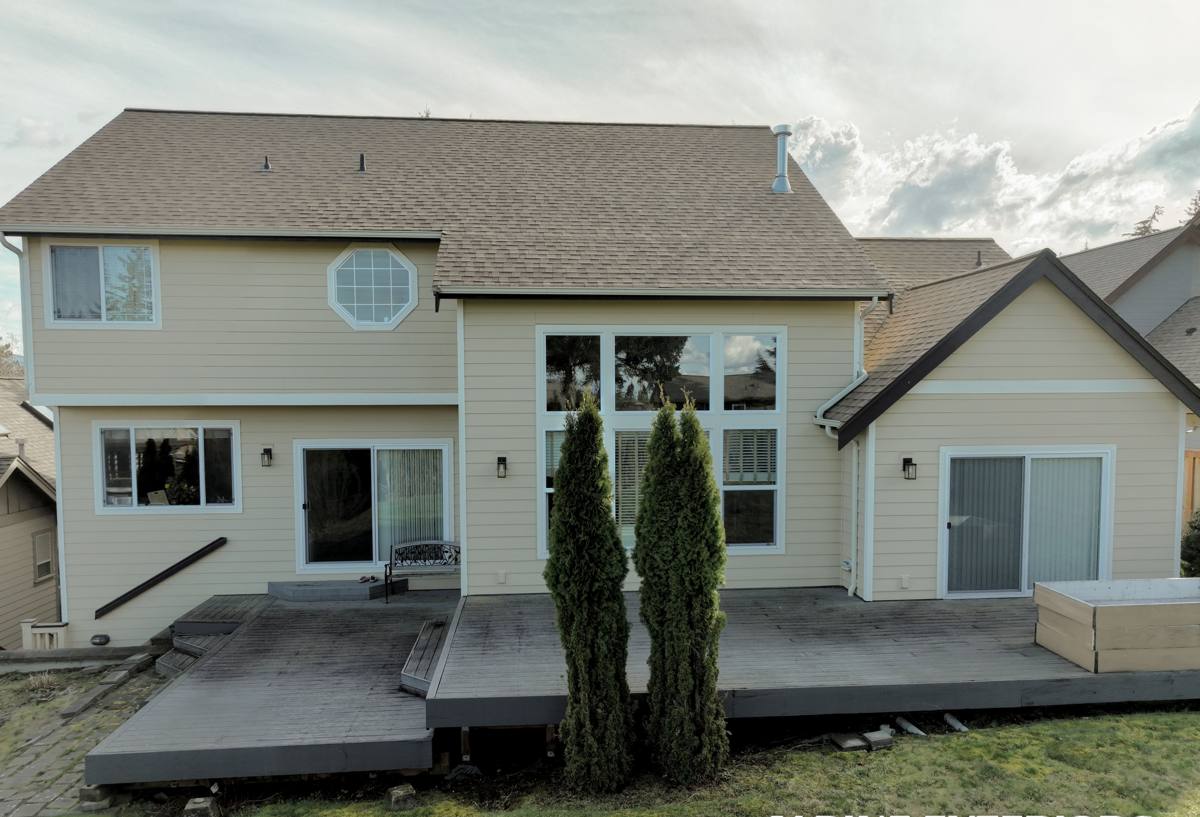
What St. Petersburg's Coastal Climate Actually Does to a Deck
It's worth being specific about the forces at work, because they drive every material and construction decision that follows.
- Salt air corrosion: Airborne salt from the Gulf and the bay accelerates rust on standard fasteners, brackets, and hardware — especially within a mile or two of open water, which covers most of Gulfport.
- UV exposure: Florida gets strong, direct sun nearly year-round. Untreated or poorly finished wood grays, cracks, and splinters faster here than in milder climates.
- Wind-driven rain and humidity: Afternoon storms and a long wet season mean wood framing and decking are almost never fully dry. Trapped moisture is the single biggest cause of rot and fastener failure in local decks.
- Hurricane-force wind loads: Pinellas County's building code reflects the real risk of tropical storms and hurricanes. Ledger attachment, post spacing, and connector hardware all have to be sized for wind uplift, not just weight-bearing.
None of this means a deck in Gulfport can't last. It means the build has to be planned around these conditions from the design stage forward.
What "Custom" Should Actually Mean Here
"Custom deck" gets used loosely in this industry, sometimes just to mean "not a kit." For us it means the deck is designed for the specific lot, the specific house, and the specific way the family plans to use it — not pulled from a stock template. That includes:
Site-Specific Layout
Lot shape, existing trees, drainage patterns, and how the house sits relative to the sun all inform where the deck goes and how it's shaped. A deck that ignores afternoon sun exposure or dumps rainwater against the house foundation isn't custom — it's just built without planning.
Purpose-Driven Design
A deck meant for grilling and quick morning coffee has different requirements than one built for entertaining a dozen people or supporting a hot tub. Load calculations, railing placement, and even stair location should follow how the space will actually be used.
Material Choices That Match the Home
A historic bungalow and a newer waterfront remodel call for different aesthetics, but both still need to survive the same coastal conditions. Custom means matching the look the homeowner wants without cutting corners on what actually holds up here.
Material Comparison for Pinellas County Conditions
Every decking material has tradeoffs. None of them are "bad" — they just behave differently under sun, salt, and moisture, and the right call depends on budget, maintenance appetite, and how close the property sits to the water.
| Material | How It Handles This Climate | Maintenance Burden | Typical Lifespan Here |
|---|---|---|---|
| Pressure-treated pine | Affordable and strong, but prone to warping, splitting, and graying under heavy UV and humidity if not sealed regularly | High — needs periodic sealing/staining | 10-15 years with upkeep |
| Tropical hardwoods (e.g., ipe) | Naturally dense and rot-resistant; handles salt air well but is sensitive to installation quality | Moderate — periodic oiling to maintain color | 20-25+ years |
| Composite decking | Resists rot, splintering, and fading better than wood; performs well in humidity but surface-mounted fasteners can still corrode | Low — occasional cleaning | 25-30 years |
| PVC decking | Fully synthetic, no wood fibers to absorb moisture; among the most stable choices near open water | Low | 25-30+ years |
| Aluminum framing/substructure | Won't rot or warp; pairs well with any surface decking where the structure itself sits in wetter, shadier conditions | Very low | Decades, with proper fasteners |
We install and recommend across this whole range depending on the project. Where we draw a line is on the hardware and fasteners that go with any of them — more on that below.
Framing, Fasteners, and the Details That Actually Fail First
Most deck failures in this area don't start with the decking boards. They start underneath, with framing and hardware that weren't specified for a coastal environment.
Fastener Grade Matters More Here Than Almost Anywhere
Standard galvanized fasteners can corrode within a few years in salt air. We use stainless steel or coastal-rated, corrosion-resistant fasteners and connectors on ledger boards, joist hangers, and post bases — the places where a failure isn't just cosmetic, it's structural.
Ledger Attachment and Wind Uplift
The ledger board — where the deck attaches to the house — carries a huge share of the structural load and needs proper flashing to keep water from getting behind it into the house framing. Post-to-beam and beam-to-joist connections need hardware rated for the wind uplift forces that Pinellas County code accounts for, not just basic screws.
Footings Below the Surface
Florida's sandy soil and high water table mean footing depth and design have to be right the first time — this isn't an area to guess on. Proper footings are inspected as part of the permitting process, which is one more reason to skip the shortcut of building without a permit.
Our Process, From First Call to Final Walkthrough
- On-site visit: We look at the lot, the house's structure where the deck will attach, drainage, sun exposure, and any tree or utility constraints specific to the property.
- Design and material selection: We walk through layout options and material tradeoffs — this is where the table above becomes a real conversation about your budget and how much upkeep you want to take on.
- Permitting: We handle the permit application and coordinate required inspections with the City of St. Petersburg or the applicable local authority, including any flood zone or setback review a waterfront-adjacent lot may need.
- Framing and structural work: Footings, posts, beams, and joists go in first, with corrosion-resistant hardware throughout and ledger flashing done correctly the first time.
- Decking, railing, and finish work: Surface material goes down, railings are set to code height and spacing, and stairs are finished to match.
- Final walkthrough and inspection: We review the finished deck with you and make sure it passes final inspection before we consider the job done.
Permitting and Code Realities in St. Petersburg
A deck attached to a house, elevated above a certain height, or built near the water almost always requires a permit in Pinellas County — and for good reason. Permitted work gets inspected at the footing and framing stages, which catches problems before they're buried under decking boards. Skipping the permit doesn't just risk a fine; it means nobody ever checked whether the structure can actually handle a Gulf Coast storm. We pull permits as a standard part of every project, not an upsell.
Depending on exact lot location, elevation and setback requirements can also come into play for properties close to the bay. This is another area where local experience matters — knowing which lots typically trigger extra review saves time and avoids surprises mid-project.
What Deck Ownership Looks Like After the Build
Even the most durable materials benefit from basic seasonal care in this climate. A little attention goes a long way toward hitting the upper end of a material's lifespan rather than the lower end.
- Rinse salt residue and pollen off the deck surface every few weeks, especially after storms blowing in off the water
- Check fastener heads and connectors once or twice a year for early signs of corrosion or loosening
- Re-seal or re-oil wood decking on the schedule appropriate to that species — don't wait until it's visibly gray and dry
- Keep gutters and downspouts clear so runoff isn't dumping extra water onto or under the deck
- Trim back vegetation that keeps sections of the deck shaded and damp longer than the rest
- After a major storm, do a quick visual check of posts, railings, and stairs before heavy use resumes
Why a Crew That Already Works Gulfport Matters
Deck building isn't uniform across Florida, and it isn't even uniform across St. Petersburg. A crew that regularly works Gulfport's streets already knows the typical lot layouts, the local permitting process, and which construction details actually hold up this close to the bay — because they've seen what happens when those details are skipped. That's different from a crew that builds decks broadly across Tampa Bay without the neighborhood-specific repetition.
It also means faster, more accurate estimates. Familiarity with Gulfport's mix of older homes and waterfront remodels lets us anticipate structural quirks — like older ledger connections that need updating, or framing that wasn't originally built to current wind load standards — before they become mid-project surprises.
Cost Factors Worth Understanding Up Front
We don't publish fixed prices because every lot and design is different, but the main cost drivers are consistent across projects:
| Factor | Why It Affects Cost |
|---|---|
| Decking material | Pressure-treated wood costs less upfront than composite, PVC, or hardwood; those synthetic and hardwood options cost more initially but reduce maintenance spending over time |
| Deck height and footing depth | Elevated decks and certain soil conditions require deeper or more extensive footings |
| Size and shape complexity | Multi-level decks, angled layouts, and built-in features add labor and material beyond a simple rectangle |
| Railing and stair requirements | Code-compliant railing height, baluster spacing, and stair geometry vary by deck height and layout |
| Site access and existing conditions | Tight lots, mature landscaping, or an aging structure needing repair before the deck attaches can add time |
We walk through these factors on-site so the estimate reflects your actual property, not a generic average.
Ready to Talk Through Your Gulfport Deck Project
If you're weighing materials, wondering what permitting will involve, or just want an honest look at what a deck project on your specific lot would take, we're glad to walk through it. Fill out the form below for a free, no-pressure estimate — we'll look at your property and talk through what actually makes sense for your home and budget.