 St. Petersburg Roofing
 Window Replacement in Gulfport: What Local Homes Are Actually Up Against
Gulfport sits on the Pinellas peninsula along Boca Ciega Bay, tucked between the open Gulf and the busier commercial corridors of St. Petersburg proper. It's a small, walkable community with a lot of older housing stock, bungalows, block homes from the mid-20th century, and a mix of renovated cottages, sitting close enough to open water that every window in the neighborhood deals with a combination of stresses most inland U.S. homes never see at the same time. Hurricane-force wind and wind-borne debris are the acute threat everyone thinks about first, but the slower damage comes from what's happening every single day in between storms: intense, near-constant UV exposure, wind-driven rain that gets pushed sideways into gaps a straight-down rain would never reach, and salt-laden air working on every piece of exposed metal and hardware in a window assembly.
This page is about window replacement specifically for homes in Gulfport and the surrounding St. Petersburg area, what actually wears out a window here, what a correct replacement job looks like, and how we approach the work when we're called out to this neighborhood. It isn't a generic window page with the city name swapped in; the climate factors below and the way we sequence a job are specific to what holds up, and what doesn't, on a house this close to Pinellas County's coastline.
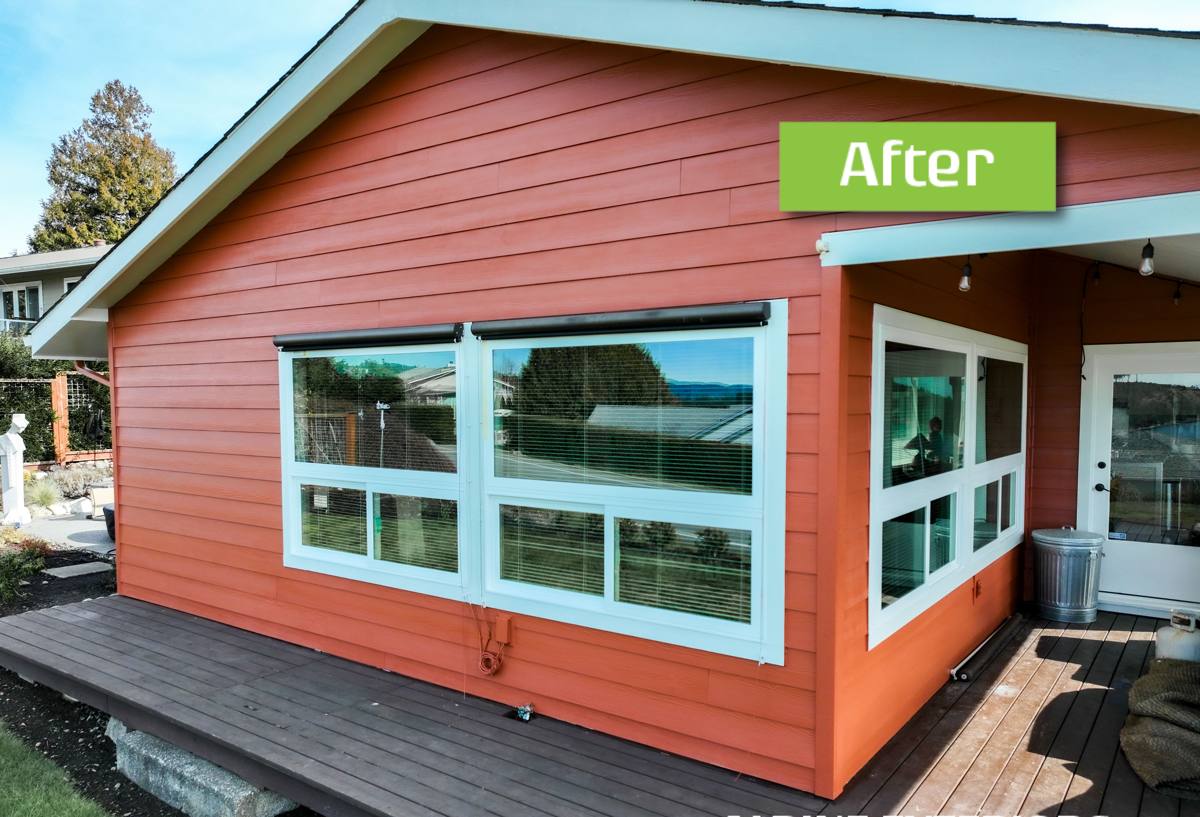
Why Windows Fail Faster in a Gulfport Climate
Hurricane-Force Wind and Wind-Borne Debris
Every home in Pinellas County falls inside the Florida Building Code's wind-borne debris region, which means replacement windows have to either carry an impact rating or be paired with a code-approved covering like shutters or panels. Wind pressure on a window isn't a single steady push during a storm, it cycles, gusting and easing repeatedly, which puts a different kind of stress on the frame, the anchoring, and the seal around the rough opening than a one-time static load would. An older window that was never engineered for that cyclic loading, or one installed with shortcuts in the anchoring, is the weak point in an otherwise sound wall during a real storm.
Year-Round UV
Florida sun doesn't ease off for most of the year, and UV is hard on more than just interior fabrics and flooring. It degrades vinyl frames and gaskets that aren't UV-stabilized, and it works on any sealant or glazing compound that isn't rated for this level of continuous exposure. A frame or seal that's fine in a milder climate can chalk, yellow, or go brittle years sooner under Gulfport's sun than it would somewhere with a shorter, less intense summer.
Wind-Driven Rain and Humidity
Storms here rarely arrive as straight-down rain. Wind pushes it sideways into any gap in flashing, caulk, or a poorly sealed frame, and it doesn't take a hurricane to do it, a routine summer squall off the bay can drive water into a marginal installation. Layer that on top of Pinellas County's year-round humidity, and any window with a compromised seal is dealing with near-constant moisture pressure, not an occasional wet season. That's what shows up later as fogged glass, soft framing at the sill, or interior staining below a window.
Salt Air and Corrosion
Being this close to Boca Ciega Bay and the Gulf means salt-laden air reaches every exposed surface, not just the homes directly on the water. Salt accelerates corrosion in hinges, cranks, locks, and screen hardware, and it's especially hard on aluminum that isn't properly finished. Vinyl and fiberglass frames themselves don't corrode, but the metal hardware built into almost every operable window still can, which is why hardware spec matters as much as frame material this close to the coast.
Signs a Gulfport Home Needs Window Replacement
Windows rarely fail all at once. Most homes give warning signs for a while before a window becomes an active problem. Worth a closer look if you're noticing any of the following:
- Fogging or a visible haze between the panes of a double-pane window, meaning the insulated glass unit's seal has failed
- Windows that are difficult to open, close, or lock, or that no longer sit flush in the frame
- Visible rust or corrosion on hinges, cranks, locks, or screen hardware
- Soft or discolored wood, drywall, or trim around the window frame, especially at the bottom sill
- A noticeable draft or a spike in cooling costs that lines up with older windows in the house
- Cracked, chalky, or brittle vinyl or weatherstripping that no longer seals tightly when the window is closed
- Single-pane glass with no impact rating in a home that's never been upgraded for wind-borne debris protection
- Persistent condensation on the inside of the glass, even in rooms without unusual humidity sources
Any one of these on its own might just mean a repair. Several of them together, especially on windows original to an older Gulfport home, usually means the window has reached the end of what it can be reasonably expected to do.
What a Correct Window Replacement Actually Involves
Swapping glass into an existing frame, or setting a new window into an opening without addressing what's around it, is how a replacement ends up failing early in this climate. A job that holds up here goes through the same sequence every time:
- Remove the old window and inspect the rough opening down to the framing, checking for rot, soft wood, or prior water damage that has to be addressed before anything new goes in.
- Correct or install flashing at the head, jambs, and sill so wind-driven rain is directed out and away from the opening rather than relying on caulk alone to keep it out.
- Set the new window level, plumb, and square in the opening, since a window that's slightly out of square puts uneven stress on the frame and hardware from day one.
- Anchor to the manufacturer's and Florida Building Code's fastening schedule, not a generic pattern, since the anchoring is what the window's wind-pressure and impact rating are actually tested against.
- Seal and insulate the gap between the new frame and the rough opening with the right materials, closing off the path humid air and moisture would otherwise use to get behind the frame.
- Finish and caulk the exterior so the completed opening sheds water the same way the rest of the wall does, and confirm the window operates correctly before calling the job done.
Skipping the flashing step, or anchoring to a shortcut pattern instead of what the window is rated for, is the single most common reason a replacement window underperforms in a coastal climate like this one, the glass and frame can be top quality and still fail if the installation around them wasn't done right.
Choosing Frame and Glass for a Coastal Pinellas County Home
Frame material and glass package both affect how a window holds up here, and they carry different trade-offs in cost, maintenance, and long-term performance. There's no single right answer for every home, it depends on budget, proximity to the water, and how much upkeep you want to take on.
| Option | How It Holds Up Near the Bay | Trade-Offs to Know |
|---|---|---|
| Vinyl frame, impact-rated glass | Won't corrode; UV-stabilized vinyl resists chalking and fading well when properly specified | Lower upfront cost than fiberglass; heavier impact glass can make large sashes feel stiffer over time |
| Aluminum frame, impact-rated glass | Strong with slim sightlines, but needs a marine-grade or anodized finish to resist salt-air corrosion this close to the water | Conducts heat more than vinyl or fiberglass; hardware quality matters more here than with other frame types |
| Fiberglass frame, impact-rated glass | Doesn't corrode or expand and contract as much with temperature swings; holds paint and finish well over decades | Highest upfront cost of the three; fewer stock color and style options than vinyl |
| Standard (non-impact) glass with shutters | Lower cost per opening, but relies entirely on shutters being deployed correctly before every storm | No daily UV or noise-reduction benefit from laminated glass; shutters add their own maintenance and require action every storm |
Whatever frame and glass combination you land on, the product needs a valid Florida Product Approval or, where applicable, a Miami-Dade County Notice of Acceptance, and it needs to be sized to the wind pressure and impact requirements that apply to your specific home. Pinellas County sits outside the state's High-Velocity Hurricane Zone, so a Miami-Dade NOA isn't a strict legal requirement here, but it's a reasonable signal that a product has been tested to a high standard.
Permits and Code Requirements in Pinellas County
Window replacement in St. Petersburg and unincorporated Pinellas County requires a permit in nearly every case, and for good reason: the permit process is what confirms the windows going into your home actually carry the product approval and pressure rating your specific opening needs, and that the installation gets inspected rather than just taken on faith. A contractor pulling the permit under their own license, rather than asking a homeowner to pull an owner-builder permit, is also a basic signal that they're licensed and willing to stand behind the work through inspection. Skipping the permit might save a little time up front, but it leaves you without a documented, inspected installation if you ever need it for an insurance claim, a wind mitigation report, or a future home sale.
How Our Window Replacement Process Works
We start with an on-site visit, not a phone quote, because opening size, wall type, and current condition all affect what a correct installation actually requires. From there:
- We measure every opening individually and inspect the surrounding framing and sill for existing moisture damage that needs addressing before new windows go in
- We walk through frame material, glass package, and impact-rating options with you, including honest cost and maintenance trade-offs for each, rather than steering everyone toward one product
- We handle the permit application and coordinate the required inspections so the job is documented correctly from the start
- We remove and dispose of the old windows, install and anchor the new ones to code, and flash and seal each opening properly before finishing the exterior
- We walk the finished job with you, testing operation on every window and confirming the site is cleaned up before we consider it done
We don't quote a whole-house window job without seeing the openings first. Two homes with the same ten windows can need different anchoring, different flashing details, or different pressure ratings depending on wall construction, orientation, and how exposed the home is to wind and water.
Why Hiring a Crew That Already Works Gulfport Matters
A lot of window installation problems in this area trace back to a crew that's used to a different climate treating a Gulfport home like any other job. A contractor who works this part of Pinellas County regularly already knows which older homes tend to have out-of-square openings, which block construction details call for different anchoring than wood-frame walls, and how much closer attention hardware and finish need to get this near the bay. That local pattern recognition shows up in fewer callbacks and a first installation that's actually built for what the house is going to face, rather than a generic approach that happens to work fine somewhere drier and less exposed to wind and salt.
It also means a straighter answer on what your home actually needs. Homes a few blocks from the water don't always need the same frame finish or hardware grade as homes further inland in St. Petersburg, and a crew with local experience can tell you honestly where you can save money without cutting a corner that matters, versus where the coastal exposure means it's worth spending more.
If your Gulfport home has windows showing their age, or you're planning ahead for storm season, we're happy to take a look and walk you through honest options for your specific house. Reach out using the form below to schedule a free, no-pressure estimate.