 St. Petersburg Roofing
 Gulfport's Waterfront Setting Puts Extra Demands on a Roof
Gulfport sits right up against Boca Ciega Bay, which means the air moving across every roof in the neighborhood carries salt, humidity, and a lot of it. Add in the hurricane-force winds that come through Pinellas County during storm season, the wind-driven rain that rides in ahead of and behind those systems, and the near-constant UV exposure that Florida's Gulf Coast is known for, and you've got a roof that ages differently here than it would inland. An asphalt shingle roof in Gulfport isn't working against one stressor — it's working against all of them at once, year-round.
That's not a reason to avoid asphalt shingles. It's one of the most cost-effective, widely available, and repairable roofing systems on the market, and modern shingle products are built to handle serious wind and weather. But it does mean the installation details matter more here than they would in a mild climate. A shingle roof put on correctly for Gulfport's conditions and a shingle roof put on the way it might be done somewhere with milder weather can look identical the day they're finished and perform very differently five years later.
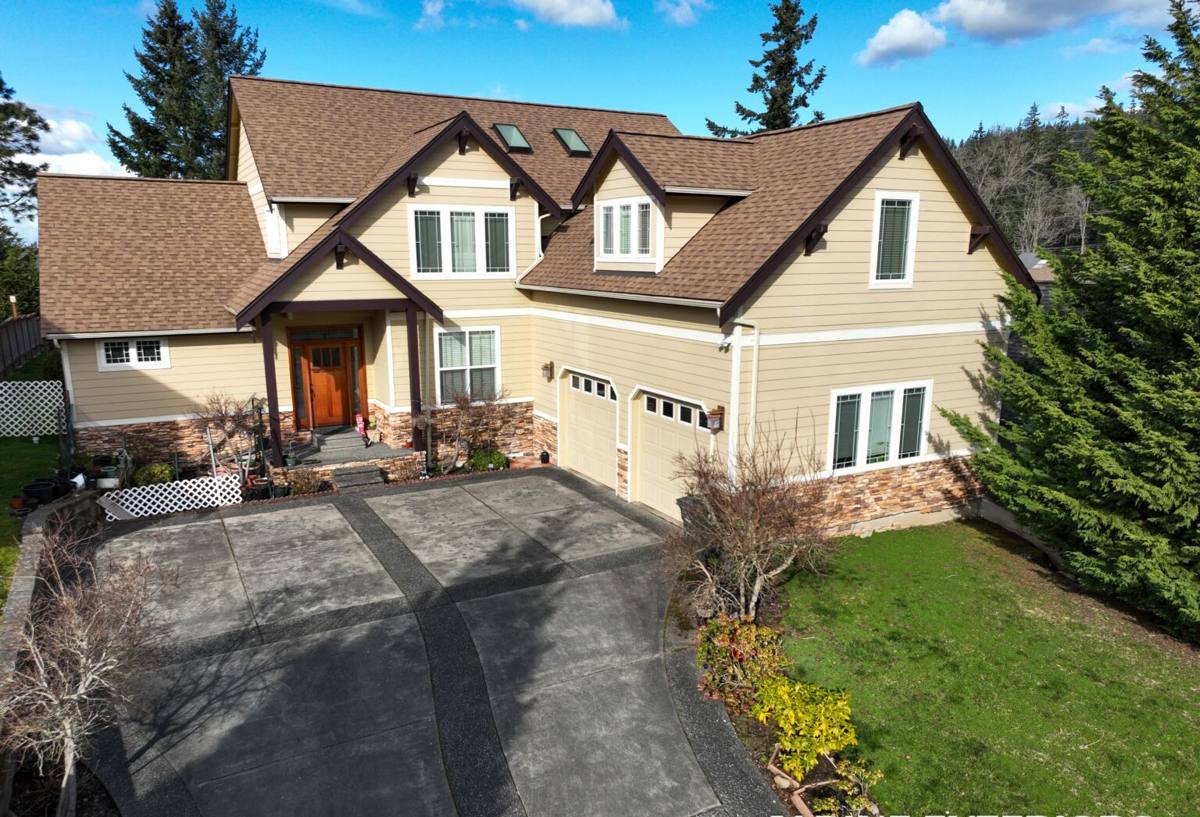
What Gulfport Homes Actually Need From a Shingle Roof
Wind Resistance That Matches Real Conditions
Pinellas County sits in Florida's wind-borne debris region, and the Florida Building Code sets minimum wind-uplift requirements for roofing based on that. A shingle product's wind rating only means something if it's installed with the fastening pattern, nail placement, and sealant strip activation the manufacturer specifies. Cutting corners on nail count or nail placement is one of the most common reasons a shingle roof fails in a wind event well before its rated speed — not because the shingle itself was inadequate, but because the installation didn't give it a chance to perform.
Corrosion Resistance for Salt Air
Being close to the water means every metal component on the roof — flashing, drip edge, fasteners, vent stacks — is exposed to salt-laden air that will corrode untreated or lower-grade metal faster than it would a few miles inland. We spec corrosion-resistant fasteners and flashing for Gulfport jobs for this reason, not as an upsell but because replacing rusted flashing five years into a shingle roof's life is a preventable expense.
UV and Heat Endurance
Central Florida gets intense sun exposure nearly every month of the year, and shingle granules are the roof's actual sun protection — once they wear off in a spot, the asphalt underneath ages and hardens much faster. Algae-resistant shingle lines matter here too. The Gulf Coast's humidity and heat are close to ideal conditions for the dark algae streaking that shows up on north-facing slopes and shaded sections of roof, and once it takes hold it spreads.
Shade From Mature Trees
Gulfport's tree canopy is part of what makes the neighborhood pleasant to live in, but shaded, damp roof sections dry out more slowly after rain and are more prone to both algae growth and debris buildup in valleys. A roof under heavy tree cover needs clear valleys, well-sealed penetrations, and periodic debris removal more than a roof out in the open does.
What a Correctly Installed Shingle Roof Includes
A shingle roof is a system, not just a layer of shingles. Skipping or shortcutting any one of these pieces is where problems start, especially in a climate that doesn't give a roof much of a break:
- Deck inspection and repair — any soft, delaminated, or water-damaged decking gets replaced before anything else goes down. Shingles fastened to a compromised deck won't hold, regardless of wind rating.
- Drip edge at all eaves and rakes to direct water away from the fascia and roof edge.
- Underlayment — a synthetic underlayment across the full roof, with self-adhering peel-and-stick membrane at eaves, valleys, and around penetrations where wind-driven rain is most likely to find a way in.
- Starter strip along eaves and rakes, which is what actually gives the first course of shingles its wind resistance — a detail that gets skipped more often than homeowners realize.
- Correct nailing pattern — the right number of nails, in the right location on each shingle, per the manufacturer's high-wind installation instructions.
- Flashing at chimneys, sidewalls, skylights, and any roof-to-wall transitions, formed and sealed rather than just caulked over.
- Ventilation that lets hot, moist attic air escape, which protects both the shingles from the underside and the decking from prolonged moisture exposure.
Signs Your Gulfport Roof Is Telling You Something
Most shingle roof failures don't happen all at once — they show warning signs first. Worth checking for, especially after storm season or a stretch of intense heat:
- Granules collecting in gutters or at the base of downspouts
- Shingles that look curled, cupped, or lifted at the edges
- Dark streaking, especially on shaded or north-facing slopes
- Missing or visibly displaced shingles after a windstorm
- Soft spots underfoot if you're ever up there, or sagging visible from the ground
- Daylight visible through the roof deck from inside the attic
- Water stains on interior ceilings or in the attic near penetrations
- Exposed or rusted fasteners around vents, flashing, or ridge caps
Any one of these on its own might not mean an immediate replacement, but it's worth having someone look before the next storm rolls through rather than after.
What Affects the Cost of a Gulfport Reroof
Every roof is priced on its own specifics, but the factors that move the number up or down are consistent. This is a general guide to what to expect discussed during an estimate, not a quote:
| Factor | Why It Matters Here |
|---|---|
| Roof size and pitch | More surface area and steeper slopes mean more material, more labor time, and more safety equipment |
| Number of existing layers | Florida code generally requires a full tear-off rather than a layover past a certain point, which adds labor and disposal cost but gives us a clean look at the deck |
| Deck condition | Rotted or delaminated plywood found during tear-off has to be replaced before new shingles go down — this is the most common source of a cost adjustment mid-project |
| Shingle tier chosen | Standard architectural shingles cost less than higher-wind-rated or impact-resistant lines, which carry a premium but often a stronger warranty and better long-term performance in coastal wind |
| Underlayment upgrade | Full peel-and-stick coverage versus synthetic-with-peel-and-stick-at-vulnerable-areas changes material cost but adds real protection against wind-driven rain |
| Roof complexity | Valleys, dormers, chimneys, and multiple roof planes all add flashing work and labor time compared to a simple rectangular roof |
| Ventilation changes | Adding or upgrading ridge vents or intake vents is a smaller line item but pays off in shingle lifespan under Florida heat |
Our Process From First Call to Final Inspection
- On-site inspection — we walk the roof and attic, check the deck where accessible, and note existing damage, ventilation, and flashing condition.
- Written estimate — a clear breakdown of scope, materials, and cost factors, so there are no surprises once work starts.
- Permitting — reroofs in the St. Petersburg area require a permit and final inspection; we handle the paperwork and coordinate the inspection.
- Tear-off — old shingles and underlayment come off down to the deck, with the deck inspected and any damaged sections replaced.
- Dry-in — drip edge, underlayment, and peel-and-stick membrane go down at the vulnerable areas first, so the roof is weathertight even before shingles start.
- Shingle installation — starter strip, field shingles, ridge caps, all fastened to the pattern the product's wind rating actually requires.
- Flashing and ventilation — all penetrations, walls, and vents finished and sealed.
- Cleanup and magnetic sweep for stray nails, followed by a final walk-through with the homeowner.
- Final inspection — scheduled and passed before the job is considered complete.
Why Hiring a Crew That Already Works in Gulfport Matters
A roofing crew that regularly works Gulfport and the surrounding St. Petersburg area already knows the local permitting process, has working relationships with material suppliers who stock the wind-rated products this coast requires, and understands which details — corrosion-resistant fasteners, sealed valleys, algae-resistant shingle lines — aren't optional extras but standard practice for homes this close to the water. That familiarity shows up in fewer surprises during the job and a roof that's built for the conditions it will actually face, not a generic installation adapted after the fact.
It also matters after the sale. A local crew is the one you can reach if a storm rolls through Pinellas County and you need someone to look at storm damage quickly, not a company working out of another market that has to schedule you in behind jobs closer to home.
Caring for Your Roof After Installation
A well-installed shingle roof in Gulfport's climate still benefits from some basic upkeep:
- Keep gutters and valleys clear of leaves and debris from overhanging trees
- Have the roof checked after any major windstorm, even if nothing looks obviously wrong from the ground
- Trim back branches that overhang the roofline to reduce shade-driven algae growth and debris
- Schedule a periodic visual inspection every couple of years, especially as the roof approaches the back half of its expected lifespan
- Address small leaks or missing shingles promptly — they're inexpensive to fix early and expensive to ignore
If you're in Gulfport or elsewhere in the St. Petersburg area and want a straight answer on what your current roof needs or what a new one would involve, we're happy to come take a look. The estimate is free, there's no pressure attached to it, and you'll get a clear explanation of what we find — just fill out the form below to get started.