 St. Petersburg Roofing
 Window Installation in Childs Park: What This Neighborhood Actually Needs
Childs Park is one of St. Petersburg's older, established neighborhoods, and that history shows up in the windows. A lot of homes here still have their original single-pane glass, aging aluminum frames, or replacement windows installed decades ago under building codes that no longer apply. Meanwhile, the climate those windows have to survive hasn't gotten any easier — Pinellas County sees hurricane-force wind events, sun exposure that runs nearly year-round, wind-driven rain that finds every gap in bad flashing, and salt air drifting in off Tampa Bay and the Gulf that eats away at metal hardware and seals faster than most homeowners expect.
Window installation done right in this part of St. Petersburg isn't just a cosmetic upgrade. It's a structural and weatherproofing job that has to account for wind load, water intrusion, UV degradation, and the realities of working on an older house. Get any one of those wrong and you end up with a window that looks fine for a year or two, then leaks, fogs, or fails exactly when a storm rolls through.
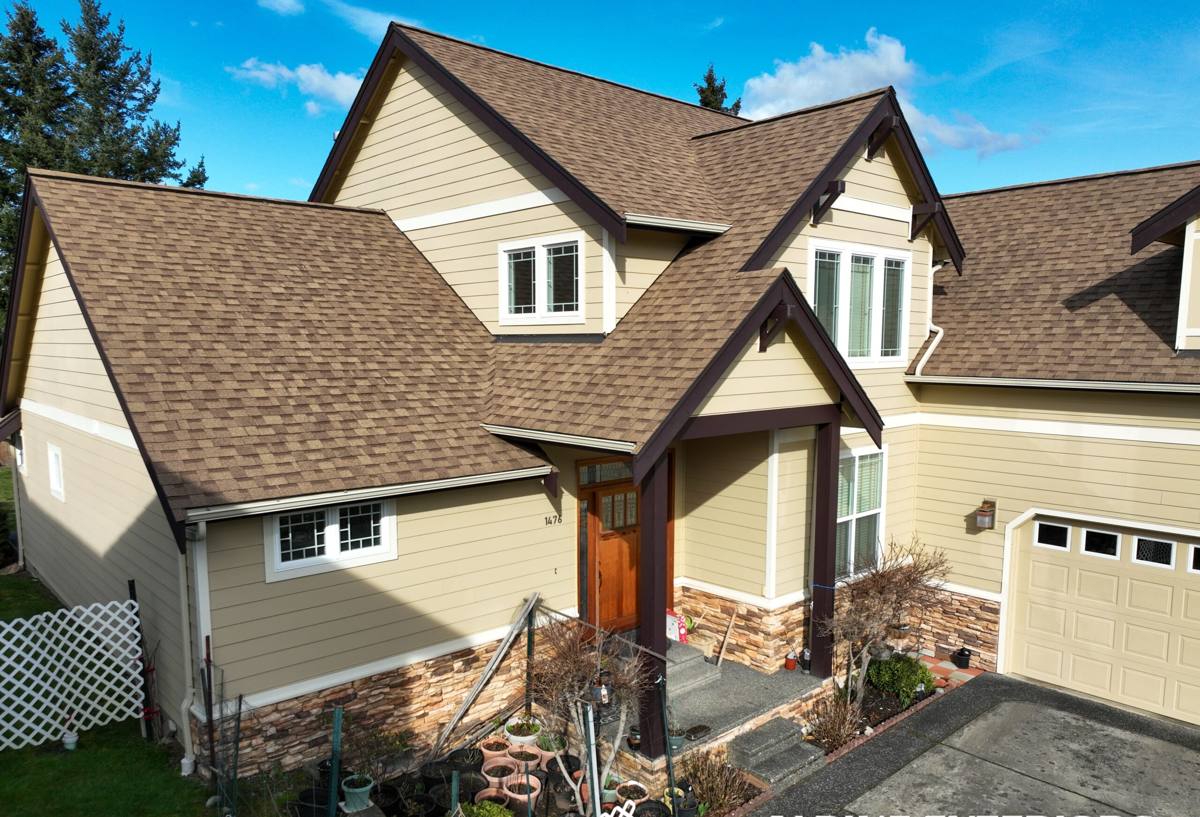
What We Typically Find in Older Childs Park Homes
Original Single-Pane and Early Aluminum Windows
Many homes in this area were built with single-pane glass in aluminum frames — standard for the era, but a poor match for today's energy costs and storm exposure. These frames often have no thermal break, so they transfer heat straight through, and the surrounding caulk and glazing has usually failed long ago.
Concrete Block Construction
Like most of St. Petersburg's older housing stock, a lot of Childs Park homes are built on concrete masonry unit (CMU) walls. That changes how a window has to be installed compared to wood-frame construction — anchoring, buck framing, and sealant choices all need to account for block, not just wood studs.
Patchwork Prior Repairs
It's common to find a mix of window ages and types on the same house — a few replaced at some point, others original — often with inconsistent caulking, mismatched trim, or sealant that was never rated for sustained UV and salt exposure. Each one of those gaps is a potential entry point for wind-driven rain.
What a Correct Window Installation Actually Involves
A window installation is more than pulling out the old sash and dropping in a new unit. Done properly, it involves:
- Removing the old window and fully inspecting the rough opening for rot, rust, or moisture damage before anything new goes in
- Correcting the opening — replacing damaged framing or block anchoring points so the new window has a sound surface to attach to
- Installing flashing and a proper drainage path so any water that gets behind the frame has somewhere to go besides your wall cavity
- Setting the window level, plumb, and square, then anchoring it per the manufacturer's installation instructions and the fastening schedule required for your wind zone
- Sealing with the correct sealant and backer rod — not just a bead of caulk over the trim
- Insulating the gap between frame and rough opening without over-packing it, which can bow the frame
- Finishing interior and exterior trim so the whole assembly sheds water correctly
Skip or rush any of these steps and the window itself doesn't matter — it will leak, rack, or fail under wind load regardless of the price tag on the glass.
Permits and Code Compliance
Window replacement in the City of St. Petersburg generally requires a permit, and Pinellas County sits within a wind-borne debris region under the Florida Building Code. In practice, that usually means replacement windows need to carry a wind-load and impact rating appropriate to your home's exposure, or be paired with code-approved shutters or panels. The exact requirement depends on your specific address, so we pull the permit and confirm the applicable rating before ordering anything — not after.
Choosing the Right Window for This Climate
There's no single "best" window for every Childs Park home — it depends on your budget, how exposed the house is, and how long you plan to stay in it. Here's how the common options stack up for this climate specifically:
| Option | Wind/Impact Performance | Maintenance | Trade-offs |
|---|---|---|---|
| Impact-rated windows | Meets wind-borne debris code without added shutters | Low — no separate storm protection to store or install | Higher upfront cost than non-impact glass |
| Non-impact + code shutters/panels | Meets code when shutters are deployed before a storm | Higher — shutters must be installed/stored and deployed every storm | Lower window cost, but relies on someone being home to put shutters up |
| Vinyl frames | Good, depends on reinforcement | Low — won't corrode from salt air | Can soften/warp under prolonged intense sun if lower-grade material is used |
| Aluminum frames | Strong, common in impact-rated lines | Moderate — coastal salt air will attack unprotected or damaged finishes over time | Conducts heat unless thermally broken |
Glass and Coatings
Low-E coatings cut down on the UV and infrared heat that Florida sun pushes through glass all year, which helps with cooling costs and protects flooring and furniture from fading. Laminated glass — the type used in most impact-rated windows — also blocks a meaningful amount of UV compared to standard annealed glass, on top of its wind-borne debris resistance.
We don't push a specific brand as the only "right" answer. Our standard is matching the frame material, glass package, and rating to what your specific house and exposure actually call for, then being straight with you about what each option costs to buy versus what it costs to maintain over the next 15-20 years.
Our Installation Process
- On-site assessment — we look at your existing windows, wall construction, and any signs of prior water intrusion before quoting anything
- Measuring and product selection — exact opening measurements, plus a walkthrough of frame and glass options that fit your budget and exposure
- Permitting — we handle the paperwork with the city so the job is inspected and documented, not done under the table
- Removal and opening prep — old units come out, and any rot or damaged framing gets addressed before the new window goes in
- Installation — anchoring, flashing, sealing, and insulating per manufacturer and code requirements
- Trim and cleanup — interior and exterior finish work, job site cleaned up, old windows hauled off
- Final walkthrough — we test operation and seals with you before we call it done
What Window Installation Typically Costs
Every house is different, but the main cost drivers on a Childs Park job are usually the same handful of factors:
| Factor | Why It Moves the Price |
|---|---|
| Impact vs. non-impact glass | Impact-rated units cost more upfront but skip the need for separate storm shutters |
| Number and size of openings | More windows and larger openings mean more material and labor |
| Wall construction (block vs. frame) | CMU walls often need additional anchoring work compared to wood framing |
| Condition of the rough opening | Rot, rust, or water damage found during removal adds repair time before the new window can go in |
| Frame material | Vinyl, aluminum, and composite frames sit at different price points |
| Permit and inspection fees | Set by the city, based on job scope |
We give a written, itemized estimate before any work starts, so you know exactly what you're paying for and why.
Why a Crew That Already Works in Childs Park Matters
There's a real difference between a company that occasionally does a job in this neighborhood and a crew that works here regularly. We already know how the older block construction in this part of St. Petersburg behaves, what the City's permitting process expects, and what a house that's weathered thirty-plus hurricane seasons is likely to need once we open up a wall. That means fewer surprises mid-job, a more accurate estimate up front, and less time spent figuring things out on-site instead of doing the work.
It also means we're not disappearing after the invoice clears. If a seal needs attention or a question comes up two years down the road, we're still working in the neighborhood and easy to reach — not a name you found once and never again.
Homeowner Checklist Before You Book a Window Job
- Ask whether the contractor pulls permits for window replacement in St. Petersburg, or expects you to skip that step
- Confirm what wind-load or impact rating your specific home requires before ordering windows
- Get the frame material, glass package, and rating written into your quote — not just "vinyl window" with no specifics
- Ask how they handle rot or damage discovered in the rough opening once removal starts
- Clear furniture, blinds, and window treatments away from each opening before install day
- Confirm cleanup and haul-away of old windows is included in the price
Ready When You Are
If your Childs Park home still has original single-pane windows, aging aluminum frames, or units that just aren't holding up to St. Petersburg's sun, wind, and salt air anymore, we're happy to take a look and walk you through your options honestly. Fill out the form below for a free, no-pressure estimate — no obligation, just a straight assessment of what your house actually needs.