 St. Petersburg Roofing
 Siding That Has to Work in Gulfport's Climate, Not Just Look Good
Gulfport sits close enough to Boca Ciega Bay and the Gulf that its homes take a different kind of beating than siding fifteen miles inland. Salt-laden air moves through the neighborhood daily, sun exposure is intense and nearly year-round, and when a tropical system tracks through Pinellas County, Gulfport homes see wind-driven rain that finds every weak seam in an exterior. Siding here isn't a cosmetic decision. It's a weather system that either protects the wall assembly behind it or slowly lets moisture and UV degrade it.
We install James Hardie fiber cement siding exclusively, and Gulfport is one of the neighborhoods where that decision matters most. This page covers what fiber cement siding needs to do for a Gulfport home specifically, what a correct installation actually involves, and why hiring a crew that already understands this stretch of the St. Petersburg coastline is worth the conversation before you sign with anyone.
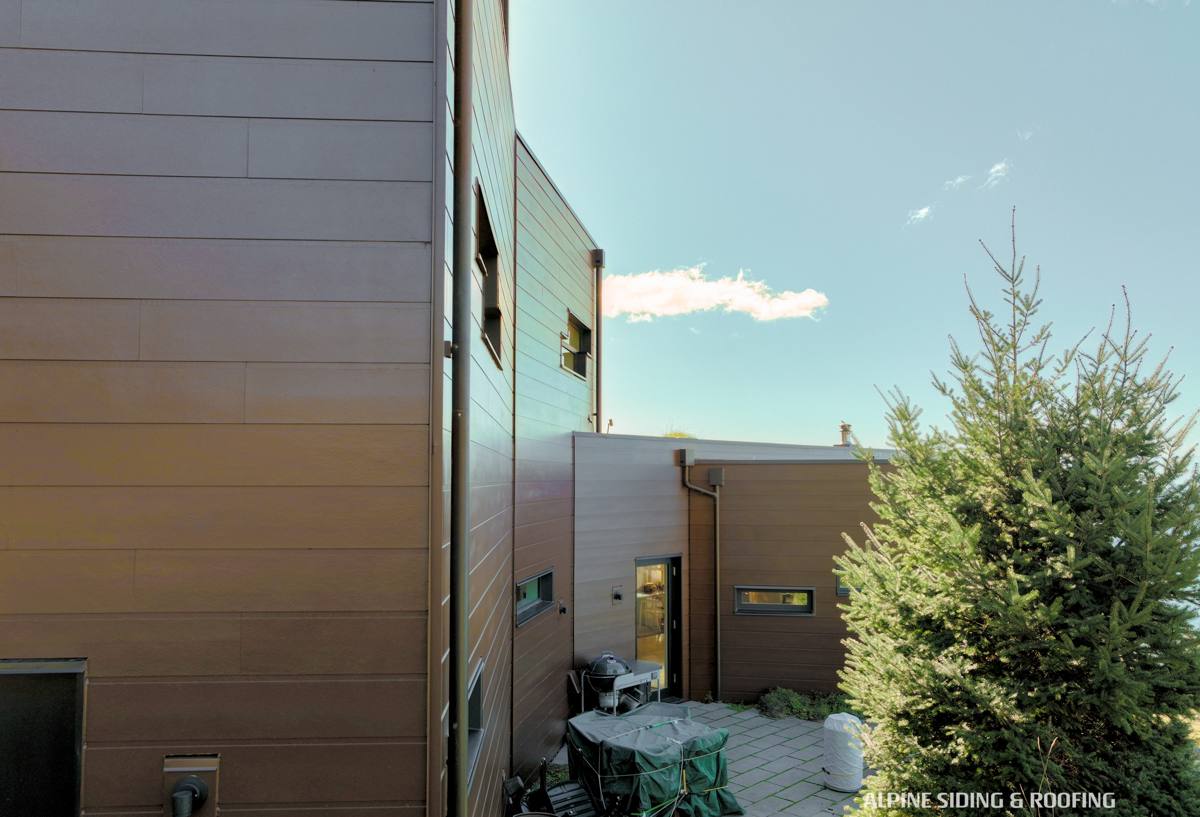
What Gulfport's Climate Actually Does to Exterior Siding
Salt Air and Humidity
Proximity to the water means airborne salt settles on exterior surfaces and accelerates corrosion of fasteners, trim, and any metal components in a siding system. It also keeps ambient humidity higher than inland areas, which matters for anything moisture-sensitive behind the cladding.
UV Exposure
Florida sun is intense for most of the year, and unshaded siding faces constant UV load. Paint film breaks down under that kind of exposure faster than most homeowners expect, which shows up as fading, chalking, and eventually cracking if the underlying material isn't dimensionally stable.
Wind and Wind-Driven Rain
Pinellas County sees tropical storm and hurricane-force wind events, and Gulfport's location means those systems often arrive with heavy, sideways rain. Siding has to stay mechanically fastened under sustained wind loads and shed water correctly at every seam, transition, and penetration — not just when it's new, but a decade in.
Moisture Cycling
Warm, humid air pushing against a wall assembly that cools at night creates repeated condensation cycling. Siding materials that absorb moisture and swell, or that trap moisture against wood sheathing, age poorly in this kind of cycle even if they look fine for the first few years.
Why We Only Install James Hardie Fiber Cement Here
Fiber cement as a category handles Florida's coastal conditions better than wood-based or vinyl alternatives because it's dimensionally stable, doesn't absorb water the way wood products do, and is non-combustible. But not all fiber cement is engineered the same way, and installation quality determines whether any of those advantages actually hold up.
We standardized on James Hardie specifically because of three things that matter in a place like Gulfport:
- HZ5 climate engineering. Hardie's HZ5 product line is engineered for humid, high-moisture climates like ours — it's formulated to resist the freeze-thaw isn't the issue here, moisture and humidity cycling is, and HZ5 is built for that.
- ColorPlus factory finish. A baked-on, factory-applied finish holds color and resists UV fade far better than field-applied paint, which matters when the siding faces months of direct Florida sun every year.
- A warranty structure that's actually transferable. Hardie backs its product with a long-term, transferable limited warranty, which matters for resale in a coastal market where buyers ask about siding condition and history.
We don't install LP SmartSide, vinyl, Cemplank, Allura, or primed wood siding, and it's worth being direct about why. Vinyl softens and can deform under sustained heat and doesn't hold up structurally in high wind events the way a properly fastened fiber cement panel does. Wood-based and engineered wood siding products are more vulnerable to moisture intrusion at cut edges and seams — a real risk given how much wind-driven rain this area sees. Other fiber cement brands may be reasonable products, but we've built our installation process, our fastening details, and our warranty conversations around one system, and we'd rather be excellent at installing one product correctly than average at installing several.
What a Correct Installation Involves
Most siding failures in coastal Florida trace back to installation shortcuts, not the material itself. A few details matter more here than they would in a drier, calmer climate:
Weather-Resistive Barrier and Flashing
Everything starts with the water-resistive barrier underneath the siding and the flashing details around windows, doors, and any wall penetration. Get this wrong and even the best siding panel is just a decorative layer over a wall that's still taking on water.
Fastening for Wind Load
Hardie specifies fastener type, spacing, and placement based on wind zone. Gulfport falls within wind exposure categories that call for fastening schedules built for hurricane-force gusts — not the minimum spacing a crew might use in a calmer market. We follow Hardie's published fastening requirements for our wind zone, not a shortcut version.
Proper Joint and Seam Treatment
Every horizontal and vertical seam is a potential water entry point. Correct caulking, proper gapping per manufacturer spec, and correctly lapped joints are what keep wind-driven rain from working its way behind the panel during a storm.
Clearance and Drainage
Siding installed too close to grade, roofing, or hardscape traps moisture against the bottom edge of the panel. Maintaining manufacturer-specified clearance is a small detail that prevents a slow, hidden moisture problem at the base of the wall.
Our Process for Gulfport Siding Projects
| Step | What Happens |
|---|---|
| 1. On-site assessment | We inspect existing siding, sheathing condition, and any moisture damage before quoting anything. |
| 2. Product and color selection | We walk through Hardie's plank profiles, textures, and ColorPlus palette options for your home. |
| 3. Written scope and estimate | A clear, itemized scope — no vague allowances — so you know exactly what's included. |
| 4. Tear-off and substrate check | We remove old siding and inspect sheathing for hidden moisture damage before installing anything new. |
| 5. Barrier and flashing installation | Weather-resistive barrier and flashing details are installed to manufacturer spec, not shortcut. |
| 6. Hardie panel installation | Fastened per Hardie's wind-zone requirements, with correct clearances and seam treatment throughout. |
| 7. Final walkthrough | We review the finished work with you and cover warranty registration and care. |
Cost Factors for Gulfport Homeowners
Every home is different, but a few factors consistently move the price on a fiber cement siding project in this area:
| Factor | Why It Matters |
|---|---|
| Home size and wall complexity | More square footage and more corners, gables, and trim details mean more material and labor. |
| Existing substrate condition | Moisture-damaged sheathing found during tear-off needs repair before new siding goes on. |
| Siding profile and texture choice | Lap width, texture (smooth vs. cedar-shake style), and trim detailing affect material cost. |
| Story height and access | Two-story walls and limited access around the property add labor time. |
| Full replacement vs. partial | Whole-house replacement is more efficient per square foot than patching sections. |
We'll always give you a specific number in writing after seeing the home — we're not going to throw out a broad range here that doesn't reflect your actual project.
Why a Local Crew That Knows This Area Matters
A contractor who only occasionally works near the water treats Gulfport like any other job. A crew that regularly works Pinellas County's coastal neighborhoods already knows the fastening schedule for this wind zone, has seen how salt air ages different trim materials, and doesn't have to relearn flashing details on your home for the first time. That familiarity shows up in fewer callbacks and a tighter installation the first time around.
It also means we're not guessing at how Gulfport's mix of older homes and renovated properties were originally built. Knowing what's typically behind the walls in this part of St. Petersburg — the sheathing types, the common trouble spots around older window openings — lets us plan the tear-off and substrate repair accurately instead of finding surprises mid-project and improvising.
Signs Your Gulfport Home May Need Siding Attention
- Visible cracking, warping, or bubbling on current siding panels
- Soft spots or give when you press on the siding near the base of the wall
- Paint that's peeling, chalking heavily, or fading unevenly
- Gaps opening up at seams, corners, or around window and door trim
- Musty odor or visible staining on interior walls that share an exterior wall
- Siding that flexed or came loose during a recent storm
If you're seeing any of these, it's worth having someone look at the wall assembly, not just the surface — by the time siding shows visible damage, moisture may already be behind it.
Maintaining Hardie Siding in a Coastal Environment
One advantage of fiber cement over wood-based products is how little ongoing maintenance it needs, but "little" isn't "none" in a salt-air environment. A periodic rinse to clear salt buildup, prompt attention to any caulking that starts to separate at seams, and keeping gutters and drainage clear around the base of the walls go a long way toward getting the full lifespan out of the material and its factory finish.
If you're weighing siding options for a Gulfport property or dealing with damage from age, moisture, or a recent storm, we're happy to take a look and walk you through what we'd recommend — no pressure, no obligation. Request a free estimate below and we'll get back to you with a straight answer.