 St. Petersburg Roofing
 Gulfport Sits Right at the Edge of What Siding Has to Survive
Gulfport is a small waterfront community on Boca Ciega Bay, tucked into Pinellas County just southwest of St. Petersburg. That bayfront location is part of what makes the neighborhood so livable — and part of what makes it one of the tougher spots in the county to keep exterior siding looking and performing the way it should. Homes here sit close enough to open water that salt-laden air is a daily condition, not an occasional one. Add in Florida's punishing UV load, wind-driven rain off the Gulf, and the periodic hurricane-force wind events that every Pinellas County homeowner has to plan for, and you have a climate that finds every weak point in a wall system within a few years, not a few decades.
This page is about one thing: James Hardie fiber cement siding, installed correctly, on Gulfport homes. Not a general siding overview — the specific product, the specific installation standards, and the specific reasons a crew that already works this neighborhood does a better job than one learning the area on your dime.
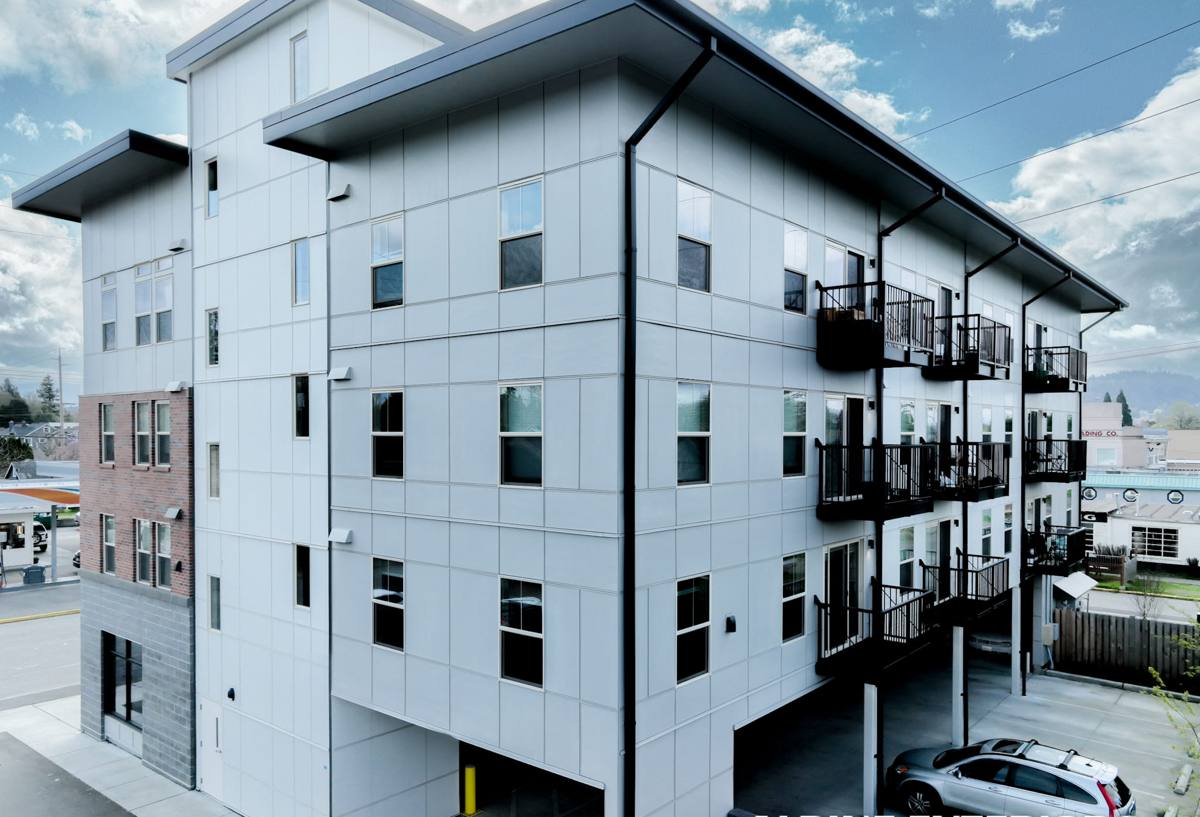
What Gulfport's Climate Actually Does to Exterior Walls
Salt air and corrosion
Airborne salt from the bay settles on every exterior surface, including siding, trim, and fasteners. Over time it accelerates corrosion in anything not rated for coastal exposure and can leave a film that traps moisture against lower-quality materials. Siding and fastener choices that work fine 20 miles inland can fail early this close to the water.
UV exposure, year-round
Florida's sun is intense for most of the year, not just in summer. Paint films that aren't factory-cured to withstand that exposure chalk, fade unevenly, and need repainting far sooner than most homeowners expect — often within a handful of years on lower-grade products.
Wind-driven rain
It's rarely straight-down rain in a coastal storm — wind pushes water sideways and upward, forcing it into laps, seams, and any gap around windows, doors, and penetrations. A siding system is only as good as its flashing and water-management details, because the siding material itself is the last line of defense, not the first.
Storm wind loads
Pinellas County's wind zone requirements exist because this area takes direct hits from tropical systems and hurricanes. Siding has to be fastened, spaced, and clearanced to a standard that holds up under sustained high wind and wind-borne debris, not just look good on a calm day.
Why We Only Install James Hardie Fiber Cement
We don't install LP SmartSide, vinyl, Cemplank, Allura, or unprimed wood siding, and we're upfront about why. Every one of those products has legitimate uses somewhere — but for a bayfront Pinellas County home, the trade-offs don't hold up the way James Hardie does.
- Non-combustible: fiber cement doesn't feed a fire the way wood-based composite siding can, which matters for insurance and for peace of mind.
- Built for moisture, not just resistant to it: James Hardie's HZ5 product line is engineered specifically for humid, high-moisture climates like ours — it's the line we spec by default in this area.
- ColorPlus factory finish: the color is baked on in a controlled factory process, not brushed on in the field. It holds up to Florida UV far longer than field-applied paint and carries its own finish warranty.
- Dimensionally stable: fiber cement doesn't swell, warp, or rot the way wood and some wood-composite products can when they take on repeated moisture exposure.
- Strong, transferable warranty: James Hardie backs the product with a warranty structure that's meaningful for resale, which matters in a desirable neighborhood like Gulfport where homes change hands.
None of this means other products are junk — vinyl is cheap and easy to install, and LP SmartSide has a lower material cost than fiber cement. But cheap vinyl chalks and warps in intense coastal sun, and wood-based composites are more sensitive to the moisture exposure a bayfront property deals with year-round. We'd rather install one product correctly and stand behind it than offer a menu of options with different failure modes.
What a Correct James Hardie Installation Involves
The material is only half the equation. A large share of the siding failures we get called out to inspect in this area trace back to installation shortcuts, not the product itself. On a coastal property, the details matter more than usual.
Water management comes first
Before a single plank goes up, the wall needs a properly lapped weather-resistant barrier, correctly integrated flashing at every window, door, and penetration, and a drainage plane that lets any moisture that does get behind the siding find its way back out instead of sitting against the sheathing.
Clearances that respect this climate
James Hardie's installation instructions specify minimum clearances from grade, roofing, decks, and other abutting surfaces. In a humid coastal environment those clearances aren't a formality — skipping them is one of the most common ways moisture gets trapped against the bottom of a wall system.
Fastening for wind zone
Fastener type, spacing, and embedment have to match both the manufacturer's specification and Pinellas County's wind requirements. Coastal-rated corrosive-resistant fasteners matter here specifically because of the salt air — the wrong fastener can start corroding, and staining the siding, well before the siding itself shows any wear.
Joints and caulking done right
Butt joints, seams, and terminations need to be treated according to spec — not just caulked over and painted. Improperly sealed joints are a direct path for wind-driven rain to get behind the siding.
- Correct starter strip and first-course alignment — sets the plane for the entire wall
- Manufacturer-specified fastener pattern — not "close enough" spacing
- Proper flashing at every window, door, and penetration — the single biggest source of hidden leaks
- Correct minimum clearances from roof lines, decks, and grade
- Factory-finished cut edges sealed per Hardie's field-finish guidance
- Corrosion-resistant fasteners rated for coastal exposure
Our Process, Start to Finish
- On-site inspection: we look at the existing wall system, not just the visible siding — what's underneath matters as much as what you can see.
- Honest assessment: we tell you what's actually needed, including if repair rather than full replacement makes sense for your situation.
- Plan and product selection: we spec the right James Hardie line, plank profile, and ColorPlus finish for your home and this climate — typically HZ5 for this area.
- Tear-off and substrate check: old siding comes off and the sheathing underneath gets inspected and repaired if needed before anything new goes up.
- Weather barrier and flashing: the water-management layer goes in first and gets inspected before siding installation begins.
- Installation to manufacturer spec: fastening, clearances, and joint treatment follow James Hardie's published requirements and local wind-zone code.
- Final walkthrough: we go over the finished job with you before we consider it done.
Signs a Gulfport Home's Siding Needs Attention
Because of the salt air and wind exposure here, siding problems tend to show up earlier and progress faster than they would further inland. Watch for these signs:
| What You See | What It Usually Means |
|---|---|
| Chalky, faded, or uneven color | Field-applied paint breaking down under UV; less common with factory ColorPlus finish |
| Soft spots or visible swelling | Moisture intrusion behind the siding, often from a flashing gap |
| Rust streaks near seams or fasteners | Non-coastal-rated fasteners corroding in the salt air |
| Visible gaps at joints or trim | Caulking failure or shrinkage, letting wind-driven rain in |
| Warping or buckling panels | Common with wood-composite products under repeated moisture cycling |
What Drives the Cost of a Gulfport Siding Job
| Factor | Why It Matters |
|---|---|
| Home size and wall complexity | More corners, gables, and cutouts mean more material and labor |
| Existing siding removal | Tear-off and disposal of the old material adds time and cost |
| Substrate condition | Rotted or damaged sheathing found during tear-off needs repair before new siding goes up |
| Product line and plank profile | HZ5 and different plank styles carry different material costs |
| Trim and accessory work | Corner boards, fascia, and soffit work done alongside siding add scope |
| Access and site conditions | Lot size, landscaping, and building height affect labor time |
We don't quote a job without seeing the house — anyone offering a firm number over the phone is guessing. What we can tell you honestly is that fiber cement installed to spec is a long-term investment against exactly the conditions Gulfport homes face, and it's priced accordingly compared to cheaper, shorter-lived alternatives.
Why It Matters That We Already Work This Neighborhood
Gulfport has a real mix of building stock — older homes alongside newer construction, close-set lots, and a walkable, waterfront layout that isn't like the newer subdivisions further inland. A crew that already works this area brings a few concrete advantages:
- Familiarity with the wind zone and permitting requirements that apply specifically to Pinellas County coastal properties
- Experience with older home construction common in Gulfport, where substrate conditions can differ from newer builds
- A realistic sense of how fast salt air and sun actually degrade materials here, informed by seeing the results on other local homes, not just manufacturer literature
- Faster response for site visits and follow-up since we're not driving in from across the county
A contractor unfamiliar with coastal Pinellas County conditions can still install James Hardie siding — but "can install it" and "installs it to hold up against this specific climate" are different standards. We hold ourselves to the second one.
Caring for Your Siding After Installation
James Hardie siding installed correctly is low-maintenance, not no-maintenance — especially this close to the water. A simple annual routine goes a long way:
- Rinse siding periodically to clear salt residue and airborne debris, particularly on walls facing the bay
- Inspect caulking at joints, trim, and penetrations once a year and touch up as needed
- Watch for any rust streaking at fastener points, which can signal a fastener issue worth addressing early
- Keep landscaping trimmed back from siding to maintain airflow and reduce trapped moisture
- Address any impact damage from storms promptly rather than letting it sit exposed
If you're weighing a siding replacement or repair on a Gulfport home and want a straight answer about what your walls actually need, we're glad to take a look. There's no pressure and no cost to get our honest assessment — just fill out the form below to schedule a free estimate.