 St. Petersburg Roofing
 Building a Deck That Actually Holds Up in Seminole
Seminole sits close enough to the Gulf and to Lake Seminole that homeowners here deal with a specific mix of conditions: salt-laden air moving in off the water, long stretches of intense UV exposure nearly every month of the year, sudden wind-driven downpours, and the real possibility of hurricane-force gusts during storm season. A deck built to a generic national spec will show its age fast under those conditions — fasteners rust, boards cup and check, railings loosen. A deck built for this specific neighborhood, with materials and details chosen for this climate, holds its look and its structural integrity for decades instead of years.
This page covers what we actually do differently when we build a custom deck for a Seminole property: the material choices, the structural details, the permitting, and the maintenance reality — not marketing language, just what a correct deck build involves in Pinellas County.
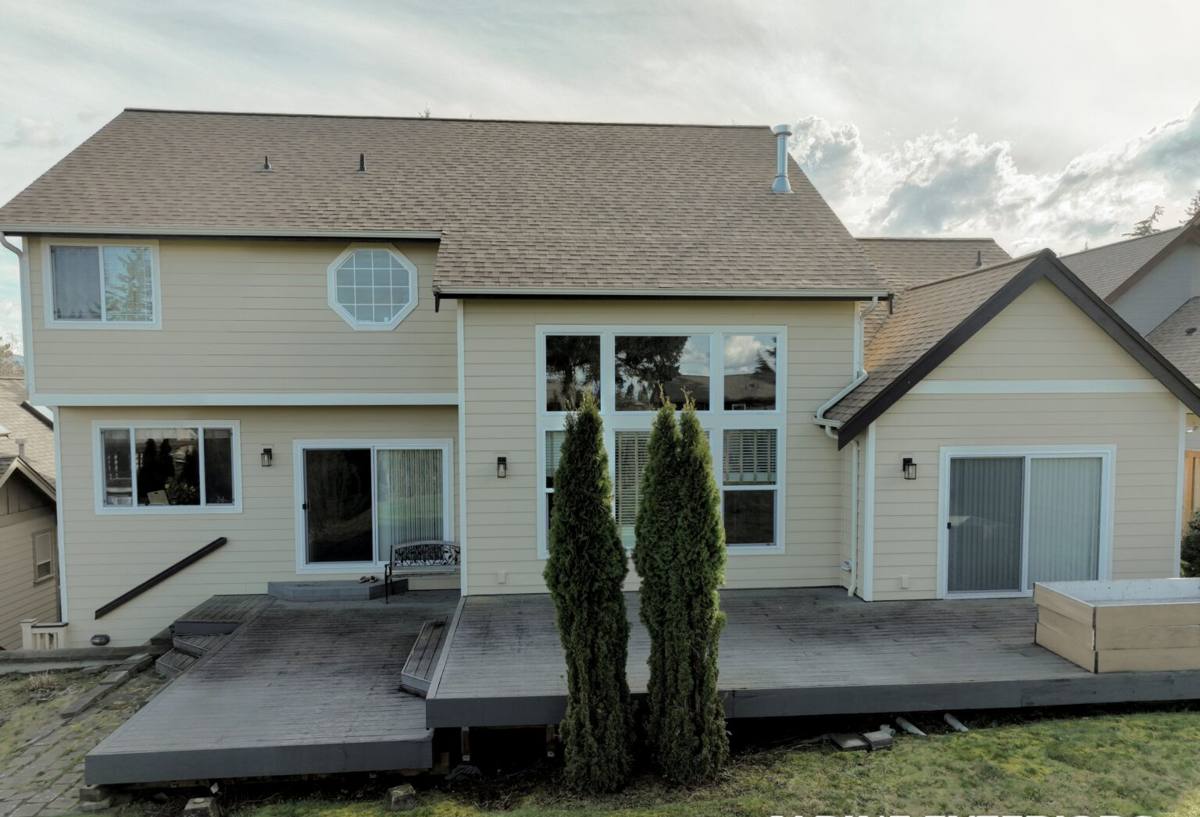
What Seminole's Climate Demands From a Deck
Four environmental factors drive almost every material and hardware decision we make on a Seminole deck project:
- Salt air: Even a few miles from open water, airborne salt accelerates corrosion on any exposed metal fastener, bracket, or railing component that isn't rated for coastal exposure.
- Year-round UV: Florida sun degrades wood fibers and breaks down lower-grade composite and plastic products faster than in northern climates, leading to fading, surface chalking, and premature brittleness.
- Wind-driven rain: Storms here don't just fall straight down — rain gets pushed sideways into ledger connections, fastener holes, and end grain, which is where rot and hidden decay actually start.
- Hurricane-force wind loads: Framing, post connections, and railing systems have to be engineered to resist uplift and lateral loads, not just support the weight of people standing on the deck.
None of this means a Seminole deck has to look industrial or over-built. It means the parts nobody sees — the flashing, the fasteners, the connectors — have to be right, because those are the parts that determine whether the deck is still solid in ten years.
Site Conditions We Check Before We Design Anything
Before we talk decking boards or railing style, we look at the property itself. In this part of Pinellas County that usually means:
Drainage and grade
Low-lying yards and properties near retention areas or the lake can hold water longer after a storm than homeowners expect. We check grade and drainage around the proposed footprint so the deck doesn't end up trapping moisture against the house or its own framing.
Elevation and flood considerations
Depending on where a lot sits, ledger height, post footing depth, and even whether a deck needs to be freestanding rather than attached to the house can change. We confirm this during the site visit rather than assuming a standard attached-deck design will apply.
Sun and shade exposure
A deck facing full western sun all afternoon needs different material considerations — surface temperature, fade resistance — than one shaded by mature trees. We ask how the space will actually be used at different times of day before finalizing material recommendations.
Choosing a Decking Material That's Right for This Climate
There's no single "best" decking material — there's the right material for a given budget, maintenance appetite, and sun exposure. Here's how the common options actually compare for a Seminole property:
| Material | Upfront Cost | Maintenance | How It Handles This Climate |
|---|---|---|---|
| Pressure-treated wood | Lowest | Annual cleaning, re-sealing every 1-2 years | Affordable and repairable, but needs consistent upkeep to resist UV graying and moisture damage |
| Tropical hardwood (e.g., ipe) | High | Periodic oiling to maintain color | Naturally dense and rot-resistant, holds up well to sun and salt air if maintained |
| Capped composite | Mid to high | Occasional washing, no sealing | Strong UV and fade resistance in quality product lines; consistent performance in heat and humidity |
| Uncapped composite | Mid | More frequent cleaning | More prone to moisture absorption and mold in humid, wind-driven-rain conditions — we're selective about this category |
| PVC decking | High | Lowest ongoing maintenance | Doesn't absorb moisture, handles UV and salt exposure well, but can run hot underfoot in direct sun |
We're upfront when a product isn't a good fit for a specific project — for example, we're cautious about lower-grade uncapped composites near the lake or in heavily shaded, moisture-retaining yards, not because the category is inherently bad, but because it's a poor match for that particular site's moisture exposure. We'd rather steer a homeowner to the right material the first time than have them replace boards in five years.
Framing and Structural Details That Actually Matter
The decking surface is what homeowners see, but the framing underneath is what determines whether the deck survives a named storm season. On every Seminole deck we build, this includes:
Ledger attachment and flashing
Where a deck attaches to the house, the ledger board connection is one of the most common failure points nationally when it's done wrong. We flash it correctly so wind-driven rain can't work its way behind the ledger and into the house's wall structure.
Corrosion-resistant fasteners and connectors
Standard galvanized hardware corrodes faster in salt air than most homeowners realize. We use fasteners and structural connectors rated for coastal exposure so screws, joist hangers, and post bases don't become the weak point in an otherwise solid frame.
Post footings sized for wind uplift
Footing depth and post connection hardware are engineered to resist uplift forces from high wind, not just to hold the deck's static weight. This is one of the details a generic, low-bid deck build tends to skip.
Joist spacing and blocking
Tighter joist spacing and proper blocking reduce bounce and movement in the deck surface over time, which matters more in a climate where lumber is expanding and contracting with humidity swings throughout the year.
Railings and Hardware That Won't Fail Early
Railings take direct wind load and constant salt-air exposure, so we treat railing hardware with the same scrutiny as structural framing. Cheap post brackets and standard-grade screws are one of the most common places we see premature rust and loosening on decks that weren't built for this environment. We specify coastal-rated hardware on railing connections and post bases, and we make sure baluster spacing and railing height meet current Florida Building Code requirements — not just what looks right.
How Our Process Works
- On-site consultation: We walk the property, assess grade, drainage, sun exposure, and how the deck will connect to the house, and talk through how the space will actually be used.
- Design and material selection: We put together a design and recommend materials based on the site conditions we found, not a one-size-fits-all package.
- Written estimate: You get a clear, itemized estimate before any work starts — no vague allowances that turn into surprise change orders.
- Permitting: We handle the Pinellas County permit application and coordinate required inspections so the deck is fully code-compliant and documented.
- Construction: Framing first, with every structural connection built to the standards above, followed by decking, railings, and finish details.
- Final walkthrough: We go over the finished deck with you, confirm everything meets the design, and cover the maintenance schedule for the material you chose.
Permits and Pinellas County Code
Most new deck construction and many deck replacements in Pinellas County require a building permit, along with inspections at key stages of framing and completion. Requirements can vary based on deck height, size, and whether it's attached to the house. We pull permits as part of every project and schedule inspections around the construction timeline, so you're not left tracking down paperwork or dealing with an uninspected structure that can complicate a future home sale.
Keeping Your New Deck in Good Shape
Every material has a maintenance rhythm that keeps it performing well in Florida's climate. A basic seasonal checklist we give Seminole homeowners:
- Rinse off salt residue, pollen, and debris every few weeks, more often if the deck is close to the water or under trees
- Check railing posts and hardware once or twice a year for any looseness or surface rust and address it early
- Reseal wood decking on the schedule appropriate to the product — typically every one to two years in this climate
- Clear leaves and debris from between boards so moisture doesn't sit trapped against the framing
- Inspect the ledger flashing area after major storms for any signs of water intrusion
- Watch for soft spots, cupping, or discoloration, which usually signal a moisture issue worth addressing before it spreads
Why It Matters to Hire a Crew That Already Works in Seminole
A crew that regularly builds decks in this neighborhood already knows the drainage quirks near the lake, the wind exposure patterns on different lot orientations, and which hardware actually holds up a few years in — not just on paper. That local familiarity shows up in fewer surprises during the build and a deck that's designed correctly for its specific site from day one, rather than a generic plan adjusted after something fails.
If you're planning a new custom deck or replacing one that didn't hold up to a Florida summer and storm season, we're happy to come take a look at your property and talk through options. Reach out using the form below for a free, no-pressure estimate.