 St. Petersburg Roofing
 Why Coquina Key Roofs Take a Different Kind of Beating
Coquina Key sits on the water, and that changes the math on what a roof has to survive. Homes on canals and open water get more direct wind exposure than inland St. Petersburg neighborhoods, more salt-laden air moving across the roof deck year-round, and more moisture working its way into any gap a standard roofing job leaves behind. A roof that would hold up fine a few miles inland can wear out faster here simply because of where it sits.
None of this means Coquina Key needs an exotic roofing system. It means the standard details — fastening, flashing, coating, ventilation — have to be done correctly and matched to a coastal Pinellas County environment instead of a generic spec sheet. That's the whole case for metal roofing done right in this neighborhood, and it's also where a lot of roofs quietly fail early: not because the material was wrong, but because the install cut corners the climate doesn't forgive.
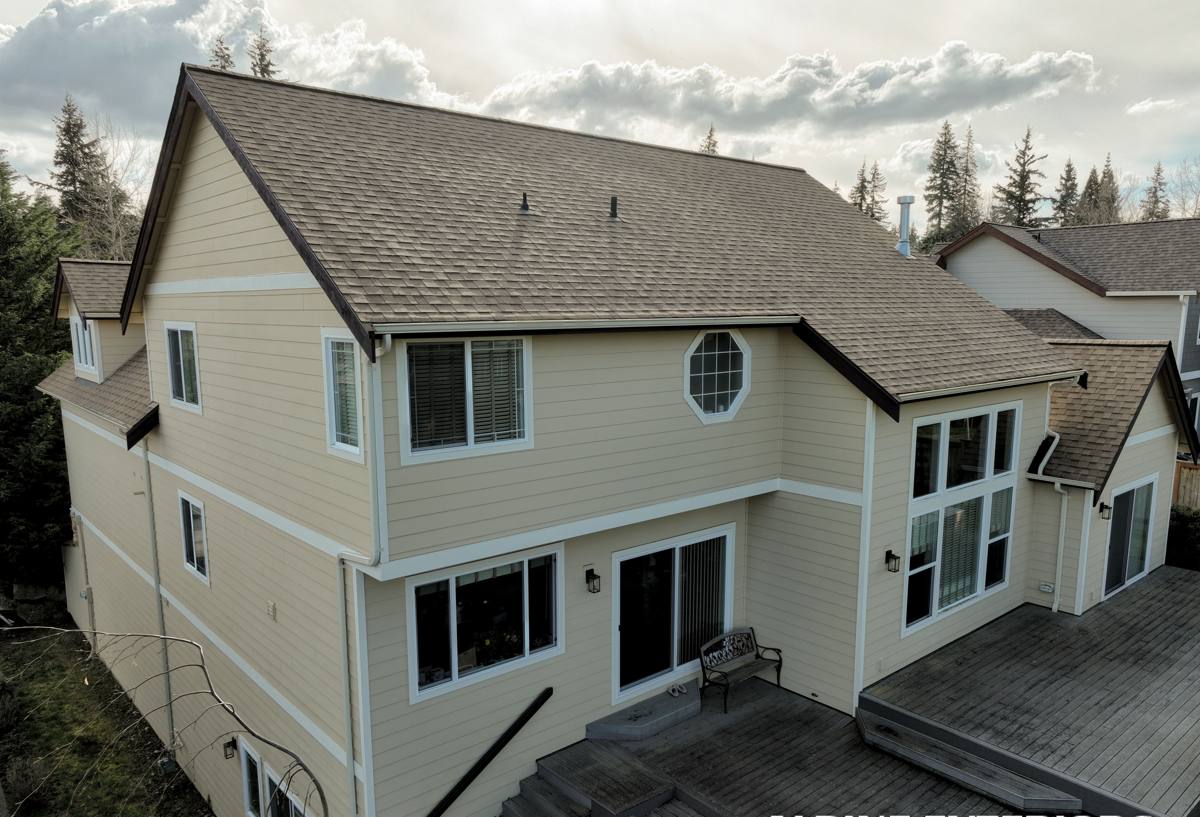
What the Local Climate Actually Does to a Roof
Wind
St. Petersburg is squarely in a hurricane-exposed part of the Gulf Coast, and waterfront and near-waterfront lots like those on Coquina Key see less obstruction from trees and neighboring structures than inland streets. Sustained hurricane-force wind puts uplift pressure on every panel, fastener, and edge detail on a roof. Most metal roof failures in storms trace back to fastening pattern, edge and rake flashing, or panel gauge — not the metal itself.
UV and heat
Florida sun is intense and constant, not seasonal. Roofing materials that rely on surface coatings or adhesives to stay watertight degrade faster under that kind of year-round UV load, and dark, poorly ventilated roofs also drive up attic temperatures and cooling costs.
Wind-driven rain
It's rarely straight-down rain that causes leaks here — it's rain pushed sideways and upward under panel laps, around penetrations, and along transitions during a squall or tropical system. A roof that sheds normal rain fine can still leak in a wind-driven event if the underlayment and flashing details weren't built for it.
Salt air
Being close to open water means airborne salt settles on roofing metal, fasteners, and flashing continuously. Salt accelerates corrosion on unprotected steel and lower-grade fasteners, which is why coating type and fastener spec matter more here than they would 20 miles inland.
Why Metal Roofing Fits This Neighborhood
Metal roofing, installed correctly, addresses each of those four pressures directly. A quality metal roof system gives you a continuous, mechanically fastened or concealed-fastener surface that resists wind uplift better than many other coverings when the fastening schedule and panel profile are matched to the exposure. Reflective finishes cut down on heat absorption compared to darker, uncoated materials. And a properly detailed system sheds wind-driven rain because the laps, seams, and flashing are built to handle water moving in more than one direction.
The part that gets skipped on cut-rate jobs is corrosion protection. Not all metal roofing is built the same way for a coastal environment, and this is where we're honest about trade-offs rather than making blanket claims about any one product being bad. The comparison below reflects what we tell homeowners on the water side of St. Petersburg, not marketing language.
| Panel/Coating Type | How It Handles Salt Air | Where It Fits Best |
|---|---|---|
| Standing seam, aluminum | Naturally corrosion-resistant; doesn't rely on a coating to prevent rust | Best fit for immediate waterfront and canal-front homes with heavy salt exposure |
| Standing seam, coated steel (Galvalume/painted) | Good resistance when coating is intact; performance depends on coating quality and fastener detailing | Solid option for most Coquina Key lots not directly on open water |
| Exposed-fastener panels | Fastener heads and washers are the weak point — they're the first thing salt air attacks | Lower-cost option; needs closer maintenance attention near the water |
| Uncoated or mill-finish steel | Poor fit for this environment without added protection | We don't recommend it for Coquina Key lots given the salt exposure |
What a Correct Metal Roof Installation Actually Involves
A metal roof is only as good as the layers underneath it and the details around every edge and penetration. On a Coquina Key job, our installation covers:
- Deck inspection and repair — any soft, rotted, or delaminated decking gets replaced before a single panel goes down, since metal fastened to a weak deck is a wind-uplift risk regardless of panel quality.
- High-quality underlayment — a synthetic or self-adhered underlayment rated for the wind-driven rain conditions common here, not a minimal-code product.
- Corrosion-appropriate fasteners — matched to the panel metal to avoid galvanic corrosion, which is a real risk when dissimilar metals are paired near salt air.
- Fastening pattern built for wind exposure — tighter spacing and correct clip/fastener selection at edges, rakes, and corners, where uplift pressure concentrates during storms.
- Flashing at every transition — valleys, walls, chimneys, and penetrations detailed so wind-driven rain can't work its way underneath.
- Ventilation review — proper intake and exhaust ventilation so the attic isn't trapping heat and moisture under the new roof.
Skipping any one of these doesn't show up on day one. It shows up during the first serious wind event or a few years down the road when corrosion starts at a fastener line nobody detailed correctly.
Our Process for Coquina Key Homes
1. On-site assessment
We look at the existing roof, deck condition, current ventilation, and the specific wind exposure of your lot — waterfront and canal-front homes get evaluated differently than interior streets.
2. Straight-talk proposal
You get a written scope covering panel type, coating, fastening approach, and flashing details — not just a square-footage price. If a lower-cost option means more maintenance near the water, we tell you that upfront.
3. Permitting
Roofing work in St. Petersburg and unincorporated Pinellas County requires permitting and inspection. We handle that process as a routine part of the job, not an afterthought.
4. Installation
Deck repair first, then underlayment, then panels and flashing, with attention to the wind-uplift details that matter most on an exposed lot.
5. Final walkthrough and inspection
We walk the completed roof with you and make sure it passes the required local inspection before we consider the job done.
What Drives the Cost of a Metal Roof Here
Metal roofing costs vary more by job specifics than by a single per-square-foot number. The factors below are the ones that actually move the price on a Coquina Key project.
| Factor | Why It Matters |
|---|---|
| Roof size and pitch | More surface area and steeper pitches mean more material and labor time |
| Panel type and metal | Standing seam runs higher than exposed-fastener panels; aluminum typically costs more than coated steel |
| Tear-off vs. overlay | Full tear-off costs more upfront but lets us inspect and repair the deck — usually the right call on an older coastal home |
| Deck condition | Rot or damage found during tear-off adds repair cost but is far cheaper to fix now than after panels are installed |
| Roof complexity | Valleys, dormers, chimneys, and multiple penetrations add flashing labor |
| Ventilation upgrades | Adding or correcting intake/exhaust ventilation is a smaller add-on cost with a real payoff in attic performance |
We give a broad range during the initial conversation and a firm number after the on-site assessment — we don't believe in locking in a price before we've actually seen the roof.
Signs Your Coquina Key Roof Needs a Closer Look
- Visible rust streaking at fastener heads or panel edges
- Loose, lifted, or vibrating panels during windy conditions
- Water stains on interior ceilings after a storm with wind-driven rain
- Chalky or faded coating on an older metal roof
- Corrosion or staining around flashing at chimneys, walls, or vents
- A noticeable rise in cooling costs, which can point to failing ventilation under the roof
Any one of these is worth a look before it turns into a deck or interior repair, especially on a waterfront lot where moisture problems tend to progress faster.
Why a Crew That Already Works Coquina Key Matters
Roofing crews unfamiliar with waterfront Pinellas County properties sometimes underestimate wind exposure or use a standard inland fastening schedule that isn't built for it. A crew that regularly works in Coquina Key and similar St. Petersburg waterfront neighborhoods already accounts for the wind exposure, salt air, and local permitting process without treating your home as a generic spec. That familiarity shows up in the details — fastener spacing, coating choice, flashing at canal-facing walls — that a one-size-fits-all approach tends to miss.
It also means faster response if you need someone to look at storm damage or a maintenance question after the job is done, rather than waiting on a crew based well outside the area.
Get a Straight Answer on Your Roof
If you're weighing a metal roof for your Coquina Key home, we're glad to come take a look and give you an honest assessment — no pressure, no inflated urgency. Fill out the form below for a free estimate, and we'll walk you through what your roof actually needs.