 St. Petersburg Roofing
 Asphalt Shingle Roofing Built for Pinellas Point
Pinellas Point sits on a peninsula surrounded by water on three sides, which means its homes take on a different kind of weather load than roofs a few miles inland. Between hurricane-force wind events, near-constant UV exposure, wind-driven rain that finds every gap in a roof system, and salt air drifting in off Tampa Bay and the Gulf, an asphalt shingle roof here is working harder than the same product would in most other parts of the country. A roof that's simply "installed to code" on paper can still underperform if the materials, fasteners, and details aren't matched to this specific environment. That's the standard we hold every Pinellas Point asphalt shingle job to.
This page covers what that actually means in practice: what the climate demands, what a correct installation looks like, how we run the job from first inspection to final walkthrough, and why local experience in this exact neighborhood matters more than it might seem.
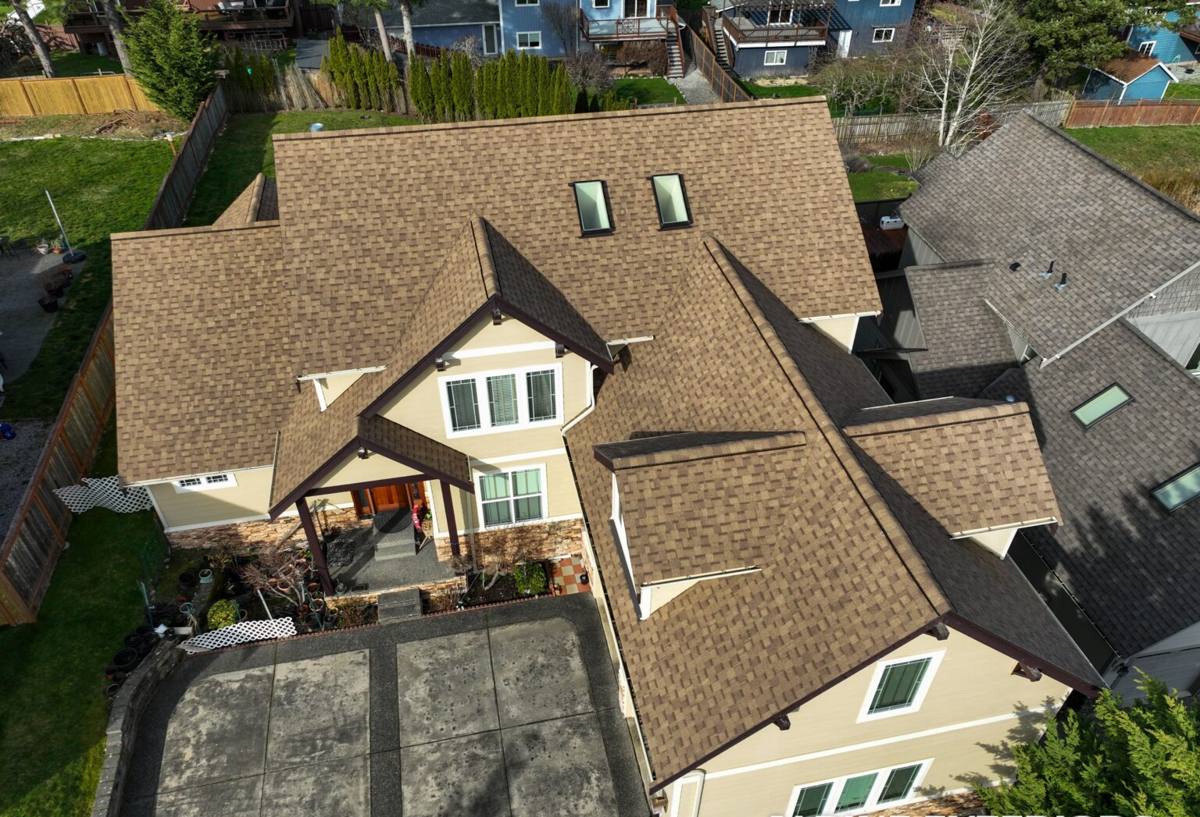
What Pinellas Point's Climate Does to a Roof
Wind
Pinellas County sits in a high-velocity hurricane zone under the Florida Building Code, and Pinellas Point's exposed, water-adjacent position means it sees the fetch effect — wind picking up speed as it crosses open water with nothing to slow it down before hitting the shoreline. Shingle roofs fail most often not because the shingle itself broke, but because wind got under an edge, a ridge cap, or a poorly sealed tab and peeled the roof back from there.
UV and heat
Florida's sun is relentless year-round, not just in summer. UV exposure breaks down the asphalt and oils in a shingle over time, causing granule loss, brittleness, and premature aging — especially on south- and west-facing slopes that take the most direct sun through the afternoon.
Wind-driven rain
It's rarely rain falling straight down that causes leaks here — it's rain being pushed sideways and even upward under wind pressure during storms. That means underlayment, flashing, and how shingles overlap at valleys and penetrations matter as much as the shingle brand itself.
Salt air
Proximity to the bay and Gulf means airborne salt settles on roofing materials and accelerates corrosion of exposed metal — nail heads, flashing, vent stacks, and drip edge. Corroded fasteners and flashing are a common, preventable cause of leaks in coastal St. Petersburg neighborhoods, including Pinellas Point.
What a Correct Asphalt Shingle Installation Actually Involves
A shingle roof is a system, not a single product. Every layer has to do its job for the roof to perform in a coastal, hurricane-prone area.
- Deck inspection and repair — soft, delaminated, or water-damaged decking gets replaced before anything else goes down, not covered up.
- Self-adhering or synthetic underlayment — a second line of defense against wind-driven rain, especially important at valleys, eaves, and around penetrations.
- Corrosion-resistant flashing and fasteners — given the salt air here, standard-grade metal and fasteners corrode faster; matching materials to a coastal environment is not optional.
- Proper nailing pattern — the number, placement, and type of nails per shingle directly affects the wind rating the roof can actually achieve, not just what the shingle package claims.
- Starter strip and ridge cap detailing — the edges and ridges are where wind uplift begins; skipping proper starter shingles or using cut tabs instead of manufactured ridge cap is a common shortcut that shows up as the first failure point in a storm.
- Attic ventilation — balanced intake and exhaust ventilation keeps attic temperatures and moisture in check, which extends shingle life and helps prevent deck rot from the underside.
Wind Rating Isn't Just About the Shingle
Manufacturers publish wind ratings for their shingles, but that rating only applies when the shingle is installed exactly per the manufacturer's specification — correct nail count, correct nail placement, correct starter and ridge detail, and often a matched underlayment. An asphalt shingle rated for 130 mph winds installed with the wrong nailing pattern will not perform to that rating. In a wind zone like Pinellas Point's, that gap between "rated" and "actually installed correctly" is where most storm damage originates.
Choosing the Right Shingle for a Coastal Home
Not every asphalt shingle product is a good match for a bayfront-adjacent property. We generally steer Pinellas Point homeowners toward architectural (laminated) shingles over basic 3-tab products for this area, for a few practical reasons rather than brand preference:
| Factor | 3-Tab Shingles | Architectural Shingles |
|---|---|---|
| Wind resistance | Lower typical rating | Higher typical rating, better suited to coastal wind zones |
| Expected lifespan in this climate | Shorter due to thinner profile and UV exposure | Longer due to heavier, multi-layer construction |
| Appearance | Flat, uniform look | Dimensional, shadow-line look |
| Upfront cost | Lower | Moderately higher |
| Long-term value in a wind/UV/salt environment | Lower — more frequent replacement cycles | Generally better — fewer replacement cycles over time |
We also pay attention to manufacturer product approvals for use in Florida's High-Velocity Hurricane Zone-adjacent counties. Not every shingle line carries the testing and approval needed for full performance credit here, and that detail matters more in Pinellas County than it does a hundred miles inland.
Signs a Pinellas Point Roof Needs Attention
Because of the combined wind, UV, and salt exposure, shingle roofs here tend to show wear in specific, recognizable ways before a full leak develops.
- Granules collecting in gutters or at downspout outlets, especially after a storm
- Curling, cupping, or lifted shingle edges, particularly on south- or west-facing slopes
- Rust staining running down from flashing, vent stacks, or nail heads
- Missing or displaced ridge cap shingles after high wind
- Soft spots or visible sagging along the roof plane
- Daylight visible through the attic at eaves, ridges, or penetrations
Catching these early is almost always cheaper than waiting for an active leak, since wind and rain intrusion tends to damage decking and interior finishes fast once a shingle or flashing detail fails.
How Our Process Works
1. Inspection and honest assessment
We start on the roof and in the attic, checking deck condition, ventilation, flashing, and how the current roof has held up to wind and salt exposure. We'll tell you plainly if a repair is reasonable or if the roof is past the point where patching makes sense.
2. Clear scope and materials
Before any work starts, you know exactly what shingle, underlayment, and flashing package is going on the roof, and why — no vague "premium materials" language.
3. Tear-off and deck repair
Old roofing comes off down to the deck so we can actually see what's underneath. Any damaged decking is replaced before new roofing goes down.
4. Installation to manufacturer and code specification
Underlayment, flashing, starter strip, field shingles, and ridge cap are installed following manufacturer nailing and sequencing requirements, which is what allows the wind rating to actually apply.
5. Site cleanup and walkthrough
We clean the property, including a nail sweep, and walk the finished roof with you before calling the job done.
What a Shingle Roof Costs to Do Right
Every roof is different, but the main factors that move the price on a Pinellas Point asphalt shingle project are consistent:
| Factor | Why It Matters Here |
|---|---|
| Roof size and pitch | More surface area and steeper slopes mean more material and labor time |
| Number of layers to remove | Tear-off of existing layers adds disposal and labor cost |
| Deck condition | Water or wind damage found underneath may require plywood replacement |
| Shingle grade | Architectural shingles cost more upfront than 3-tab but generally hold up better to coastal wind and UV |
| Flashing and penetration count | Chimneys, skylights, and multiple roof planes add detail work |
| Ventilation upgrades | Adding or correcting intake/exhaust balance can be part of the scope |
We'd rather walk your specific roof and give you real numbers than quote a broad range that doesn't reflect your home.
Why Local Experience in Pinellas Point Matters
A roofing crew that regularly works in Pinellas Point already understands the wind exposure this part of St. Petersburg sees, the way salt air accelerates corrosion on fasteners and flashing, and what Pinellas County's permitting and inspection process expects for a re-roof. That familiarity shows up in small decisions — which flashing metal to spec, how much ventilation a given attic layout needs, how to detail a valley for wind-driven rain — that a crew unfamiliar with this specific coastal environment might not think to prioritize. It also means fewer surprises during permitting and inspection, since the requirements here aren't identical to those a few miles further from the water.
Maintaining Your Shingle Roof After Installation
A correctly installed asphalt shingle roof still benefits from basic upkeep in this climate:
- Have the roof visually checked after any major named storm, even if there's no visible interior leak
- Keep gutters and valleys clear of debris so water can shed properly during heavy rain
- Trim overhanging branches that can drop debris or abrade shingles in wind
- Rinse off accumulated salt residue and organic staining periodically rather than letting it sit
- Schedule a professional inspection every couple of years to catch flashing or fastener corrosion early
If you're weighing a repair versus a full replacement, or just want an honest read on where your Pinellas Point roof stands, we're happy to take a look. Fill out the form below for a free, no-pressure estimate.