 St. Petersburg Roofing
 Roofing in Gulfport Faces a Different Set of Problems
Gulfport sits close enough to the water that its roofs deal with conditions a lot of the country never has to think about. Hurricane-force wind isn't a once-a-decade worry here — it's a design load every roof in Pinellas County has to be built to handle. Between named storms, the sun does its own damage: Florida's near-constant, high-angle UV bakes asphalt shingles and dries out the oils that keep them flexible, which is why shingles here tend to show granule loss and brittleness years before the same product would in a milder climate. Add wind-driven rain that gets pushed sideways and up under edges and flashing instead of just falling straight down, plus the slow corrosion that salt-laden air causes on exposed nails, fasteners, and metal flashing, and you've got a roof that's working harder every single day than one a few hundred miles inland.
None of that means Gulfport homes need exotic materials or gimmicks. It means the roof has to be installed correctly, with the right materials for a coastal Pinellas County climate, by people who understand why each step matters. That's the whole point of this page.
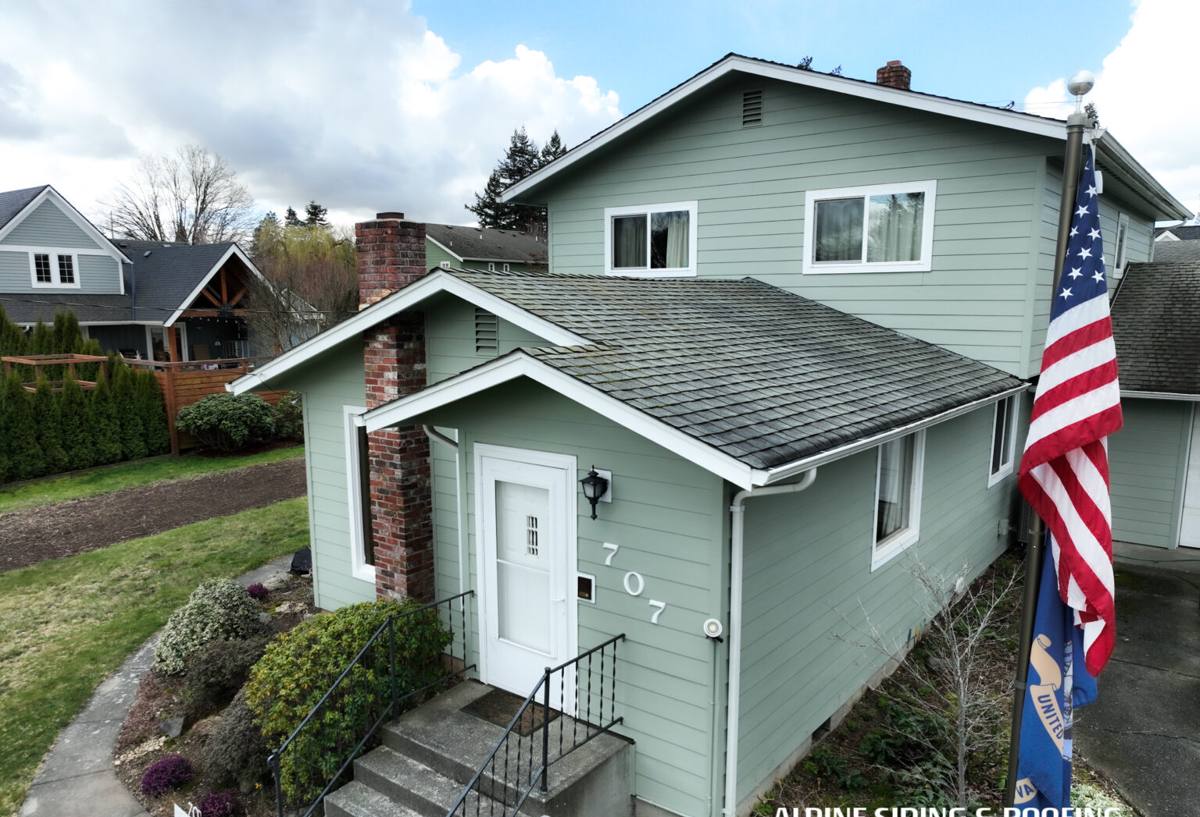
How to Tell a Repair Won't Hold Up Anymore
Not every roofing problem means a full replacement. But there's a point where patching a coastal roof stops being a smart repair and starts being money spent on a roof that's already failing. A few honest signs to weigh:
- The roof is at or past the manufacturer's expected service life for its material and your local exposure — coastal salt air and UV shorten that life compared to inland homes.
- Granule loss is heavy enough that you can see bare asphalt mat on multiple shingles, not just a few scattered spots.
- There's been more than one round of storm or wind damage repaired on the same roof in the past few years.
- You're seeing soft decking, staining on interior ceilings, or musty attic smells — signs water has already gotten past the roofing surface.
- Multiple layers of shingles were installed over the years (common on older homes), which limits how well a new layer can be repaired or tied in.
- Your insurance carrier is asking questions about roof age or condition, or a wind mitigation inspection is flagging the roof as a liability.
If two or more of those apply, a licensed inspection to compare repair cost against replacement cost is worth doing before more money goes into patches.
What a Correct Roof Replacement Actually Involves
It's Not Just Shingles
A roof is a system, and every layer of that system matters more in a coastal wind-and-rain climate than it does elsewhere. A replacement done right in Gulfport includes:
- Full tear-off down to the decking — not a layover — so the deck itself can actually be inspected and any rot or soft spots addressed before anything new goes down.
- Deck repair or replacement where needed. Nailing a new roof over compromised decking is one of the most common causes of early failure and wind damage after a storm.
- Underlayment built for wind-driven rain, installed with the overlaps and fastening pattern that actually resists water pushed sideways and upward under wind pressure, not just water falling straight down.
- Flashing at every penetration and transition — chimneys, vents, skylights, wall intersections — since these are the most common places coastal roofs leak, far more often than the open field of the roof itself.
- Proper attic ventilation, which controls heat and moisture buildup that shortens the life of shingles from underneath, especially under intense Florida sun.
- A nailing and fastening pattern rated for local wind exposure, following current Florida Building Code wind requirements for the area rather than a minimum, one-size-fits-all installation.
Skip any one of these and the roof may look fine for a while, but it won't perform the way it should the first time a real storm tests it.
Materials That Make Sense for Gulfport Homes
There's no single "correct" material for every home — it depends on your roof's pitch, your home's structure, your budget, and how long you plan to own the house. What matters is picking a material that's proven to handle coastal wind and salt exposure, and installing it to its actual wind-rated spec instead of a generic one.
| Material | Typical Wind Rating | Salt Air Behavior | Expected Lifespan Here |
|---|---|---|---|
| Architectural asphalt shingle | Up to 130 mph when properly fastened | Good with quality fasteners; UV is the bigger factor | 15-20 years in this climate |
| Standing seam metal | Among the highest wind ratings available | Needs coastal-rated coatings and fasteners to resist corrosion | 30-50 years |
| Concrete or clay tile | High wind rating when fastened per code | Very good; tile itself doesn't corrode | 30-50 years (underlayment usually needs replacement sooner) |
| Flat/low-slope membrane (for porches, additions) | Depends on system and attachment | Good with proper coastal-grade materials | 15-25 years |
Whatever material you choose, the wind rating on paper only matters if the installation matches it — the same shingle installed with a standard nailing pattern versus a high-wind pattern can have a very different real-world outcome in a Pinellas County storm.
Our Roof Replacement Process for Gulfport Homes
- On-site inspection. We look at the whole system — roof surface, decking condition where accessible, flashing, ventilation, and any storm history — not just a glance from the ground.
- Written estimate. A clear scope and price, including what happens if we find deck damage once tear-off starts, so there are no surprise change orders sprung on you mid-job.
- Permitting. Roof replacements in Pinellas County require a permit and inspection. We handle the paperwork so the job is documented and code-compliant, which also matters for insurance and resale.
- Material delivery and site protection. Landscaping, gutters, and the areas around your home get protected before anything comes off the roof.
- Tear-off and deck inspection. Old roofing comes off, the deck gets checked board by board, and any repairs are done before new materials go down.
- Underlayment, flashing, and roof covering installed to the wind-rated specification for your material and address.
- Cleanup, including magnetic sweep for stray nails and fasteners around the property.
- Final walkthrough and county inspection to close out the permit, plus warranty paperwork you can keep on file.
Permits, Wind Mitigation, and Insurance in Pinellas County
Every roof replacement in this area needs to go through the local permitting process and meet current Florida Building Code wind provisions — that's not optional, and it's part of why hiring a crew unfamiliar with Pinellas County requirements can slow a job down or create problems later. Beyond the permit itself, a new roof is also a good time to get a wind mitigation inspection done. Insurance carriers use these to give credit for things like a hip roof shape, secondary water resistance, and improved roof-to-wall attachment — all of which a proper replacement can put in place. It won't guarantee a specific discount, since every policy is different, but it's worth asking your insurance agent about once the new roof is in and permitted.
What Roof Replacement Costs Depend On
There's no honest flat number for "how much does a roof cost" — too much depends on the specifics of your home. What we can tell you is what actually moves the price up or down:
| Cost Factor | Why It Matters |
|---|---|
| Roof size and number of facets | More square footage and more cuts/valleys mean more labor and material |
| Roof pitch | Steeper roofs take longer to work on safely and require different staging |
| Number of existing layers | Tearing off two layers of old shingles costs more in labor and disposal than one |
| Decking condition | Rotted or soft decking sections need to be replaced before new roofing goes on |
| Material choice | Asphalt, metal, and tile have very different material and installation costs |
| Penetrations and complexity | Chimneys, skylights, and multiple vents all add flashing labor |
| Permit and inspection fees | Set by the county, not by the roofing contractor |
A realistic estimate only comes from actually looking at your roof. Anyone quoting a firm price over the phone without an inspection is guessing, and that guess tends to change once they're up on the roof.
Why a Crew That Already Works in Gulfport Matters
Roofing licenses in Florida are statewide, so plenty of contractors will drive in for a job. The difference with a crew that regularly works Gulfport and the surrounding St. Petersburg area is familiarity — with the county's permitting office and inspection process, with how local wind exposure and salt air actually age different materials here versus other parts of the state, and with being reachable afterward if a question comes up rather than being a truck that showed up once and moved on. After a storm, that local presence also means faster response, since a crew already working the area isn't starting from scratch on scheduling and material availability the way an out-of-town operation would be.
Caring for Your New Roof After Installation
A correct install is most of the battle, but a little upkeep protects that investment, especially in this climate:
- Have gutters and downspouts cleared regularly so wind-driven rain has somewhere to go instead of backing up under the roof edge.
- Trim back any overhanging branches that can drop debris or scrape shingles during wind events.
- After any major storm, do a visual check from the ground for missing or lifted shingles, and call for an inspection if anything looks off — don't wait for a leak to show up inside.
- Keep documentation of your permit, inspection, and warranty paperwork together in case you ever need it for insurance or resale.
- Schedule a periodic visual inspection every couple of years, even without obvious damage, since salt air and UV wear can be gradual.
If you're weighing a repair against a full replacement, or you just want an honest look at where your roof actually stands, we're glad to come take a look. Use the form below to request a free, no-pressure estimate for your Gulfport home.