 St. Petersburg Roofing
 Siding Replacement Built for Gulfport's Waterfront Climate
Gulfport sits close to Boca Ciega Bay, which means homes here take a harder hit from the elements than siding was ever designed to absorb without help. Salt-laden air drifts in off the water and settles on exterior surfaces year-round. Add St. Petersburg's intense, near-constant UV exposure, seasonal wind-driven rain, and the real risk of hurricane-force gusts, and you have a combination that ages ordinary siding fast. If your home's siding is chalking, cracking, delaminating, or just looking tired well before you expected it to, the climate is very likely the reason — not bad luck.
This page focuses specifically on siding replacement for Gulfport homes: what the local conditions actually do to exterior materials, what a correctly done replacement job includes, and why a crew that already works this part of Pinellas County brings real advantages over an out-of-area contractor.
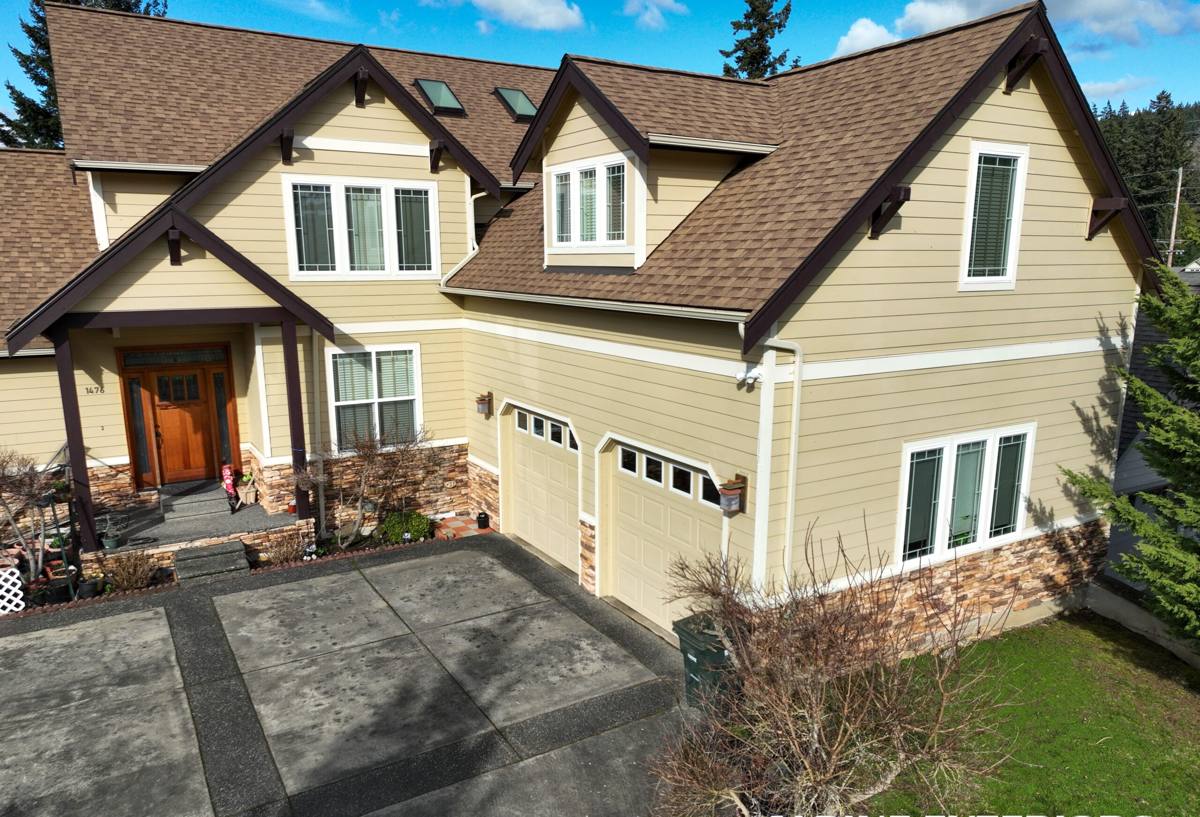
What Gulfport's Climate Does to Siding Over Time
Salt Air and Corrosion Pressure
Homes within a few miles of the bay are exposed to airborne salt that settles on siding, trim, and fasteners. Over years, this accelerates surface breakdown on materials that aren't engineered to resist it, and it corrodes lower-grade fasteners and metal flashing tucked behind the siding where you can't see the damage happening.
UV Exposure and Fading
Florida sun is relentless. Painted or coated siding surfaces absorb UV energy all day, most days of the year. Factory finishes that aren't formulated for this level of exposure fade unevenly, chalk, and need repainting far sooner than a homeowner expects going in.
Wind-Driven Rain and Moisture Intrusion
Pinellas County storms don't just drop rain straight down — wind pushes it sideways, up under laps, and into seams and joints. Siding that isn't installed with the right clearances, flashing, and water-resistive barrier behind it will eventually let moisture behind the cladding, where it can sit against sheathing and framing.
Hurricane-Force Wind Loads
Even homes that never take a direct hurricane hit still see repeated tropical storm and gale-force wind events. Siding that isn't fastened to spec, or that's a lightweight material with lower impact resistance, is more prone to cracking, popping loose, or blowing off in a storm — which then exposes the sheathing underneath to water.
Signs a Gulfport Home Needs Siding Replacement, Not Just Repair
- Visible cracking, splitting, or buckling across multiple boards or panels
- Soft spots, sagging, or a spongy feel when you press on the siding
- Persistent paint failure — peeling or bubbling that comes back soon after repainting
- Warping or bowing, especially near the bottom courses closest to grade or sprinklers
- Visible gaps at seams, corners, or around windows and doors that let daylight or moisture through
- A musty smell or discoloration on interior walls that back up to exterior siding
- Siding that's original to a home 20-plus years old, especially wood-based or older composite products
One or two of these in isolation might be a repair. Several at once, or any sign of moisture reaching the wall assembly behind the siding, usually means the siding system itself has reached the end of its useful life and full replacement is the honest recommendation.
Why We Install Only James Hardie Fiber Cement Siding
We install James Hardie fiber cement exclusively — we do not install vinyl siding, LP SmartSide, Cemplank, Allura, or primed spruce or cedar. That's a deliberate standard, not a sales preference, and it matters most in a climate like this one.
Fiber cement is non-combustible and doesn't rely on a plastic or wood-fiber substrate that can absorb moisture, swell, or feed rot if water gets behind it over time. James Hardie's HZ5 product line is specifically engineered for high-humidity, high-moisture climates like Florida's Gulf Coast, and the ColorPlus factory finish is baked on under controlled conditions and backed by its own finish warranty — which holds up far better against UV fading and chalking than field-applied paint on lighter materials. Hardie also backs its siding with a strong, transferable limited warranty, which matters to future buyers if you sell the home.
We're not going to pretend other products don't have their place elsewhere. Vinyl is inexpensive and low-maintenance in mild climates; LP SmartSide has an established track record in drier regions. But given what Gulfport's salt air, UV load, and storm exposure do to a home over 15 to 20 years, we've made fiber cement — specifically James Hardie — the only product we're willing to put our name behind here.
What a Correct Siding Replacement Job Actually Involves
Siding replacement is more than swapping old boards for new ones. Done right, it's a full exterior wall system upgrade:
- Full removal of the existing siding down to the sheathing, so we can actually see what's underneath rather than covering up hidden damage.
- Sheathing inspection and repair — any rotted, water-damaged, or delaminated sheathing gets replaced before anything new goes up.
- Water-resistive barrier installation — a code-compliant weather barrier, correctly lapped and sealed, is the layer that actually keeps wind-driven rain out of the wall assembly.
- Flashing at every penetration — windows, doors, hose bibs, vents, and any other wall penetration get proper flashing so water is directed out, not in.
- James Hardie installation to manufacturer spec — correct fastener type and spacing, proper clearances from grade, roof lines, and decks, and correctly sealed joints and corners.
- Finish detailing — trim, corners, and caulking done to hold up against UV and salt exposure, not just look good on install day.
Skipping any one of these steps is how a siding job looks fine for a year or two and then fails early. The materials matter, but the installation is what actually determines whether the wall assembly stays dry through the next decade of Gulf Coast weather.
Our Process for Gulfport Siding Replacement Projects
1. On-Site Assessment
We walk the exterior with you, identify problem areas, and check for signs of moisture intrusion, sheathing damage, or storm-related wear specific to your home's exposure — homes closer to the water or more exposed to prevailing wind often show different wear patterns than more sheltered lots.
2. Clear, Honest Scope and Estimate
You get a written scope that spells out what's being removed, what's being repaired underneath, and exactly which James Hardie product and finish is going up — no vague allowances or surprise change orders for things we should have caught up front.
3. Removal and Sheathing Repair
We don't quote sheathing repair as a guess. We find out what's actually there once the old siding is off, and we tell you before we cover it back up.
4. Barrier, Flashing, and Hardie Installation
Installed to manufacturer specification and Florida Building Code requirements for this wind zone — not a generalized national standard.
5. Final Walkthrough
We review the finished job with you in person before considering it complete.
What Siding Replacement Costs Depend On
Every home is different, so we won't quote a number without seeing the house — but these are the main factors that move the price up or down:
| Factor | Why It Matters |
|---|---|
| Home size and wall square footage | More surface area means more material and labor |
| Sheathing condition underneath | Rot or water damage found during removal adds repair scope |
| James Hardie product line chosen | Lap siding, panel systems, and trim options are priced differently |
| Home height and access | Two-story walls, tight side yards, or obstructed access add labor time |
| Number of openings and details | Windows, doors, vents, and architectural trim each require careful flashing and cutting |
| Existing siding removal complexity | Multiple layers of old siding or extensive caulk/paint buildup slow removal |
The only way to get an accurate number is an in-person look at the home — we'd rather walk your property and give you a real figure than a rough range that ends up being wrong either direction.
Why Hiring a Crew That Already Works Gulfport Matters
Siding installed to a generic national standard isn't the same as siding installed for this specific wind zone, this specific salt exposure, and this specific storm history. A crew that regularly works Gulfport and the surrounding St. Petersburg neighborhoods already understands local permitting requirements, the wind-load expectations for this part of Pinellas County, and the particular ways salt air and UV exposure show up in siding failures here versus inland.
That local experience shows up in small decisions that matter over the life of the siding — fastener choices, flashing details at penetrations, clearance from grade in yards with sprinkler exposure, and knowing which sides of a home take the worst of the prevailing wind and sun. Those aren't things you learn from a spec sheet; they're things you learn from doing the work in this exact climate, repeatedly.
Questions Worth Asking Before You Hire
- Are you licensed and insured to do siding work in Pinellas County?
- Will you inspect and repair sheathing, or just cover over whatever is there?
- What water-resistive barrier and flashing details do you use, specifically?
- What James Hardie product line and finish are you quoting, and why that one for my home?
- Is the manufacturer's warranty registered properly upon completion, and is it transferable?
- Can I get the scope of work in writing before any work starts?
Maintenance After Replacement
James Hardie fiber cement with a ColorPlus finish is genuinely low-maintenance compared to painted wood or lighter composite materials, but "low-maintenance" doesn't mean "no maintenance" in a coastal Florida climate. A periodic rinse to clear off salt residue and dust, prompt attention to any caulk or sealant that starts to fail at trim joints, and keeping sprinklers and plant growth from holding moisture against the base of the siding will go a long way toward getting the full service life out of the system.
If your Gulfport home's siding is showing its age or storm wear, we're happy to take a look and give you an honest, no-pressure assessment of whether repair or full replacement makes sense. Fill out the form below for a free estimate.