 St. Petersburg Roofing
 Deck Repair Built for Seminole's Weather
Seminole sits close enough to the Gulf and Boca Ciega Bay that decks here take a beating most inland homes never see. Between hurricane-season winds, near-constant UV exposure, wind-driven rain, and salt-laden air drifting in off the water, a deck's fasteners, framing, and surface boards age faster than the manufacturer's brochure ever suggests. We repair decks throughout Seminole and the surrounding Pinellas County area, and most of what we find on service calls traces back to the same handful of climate-driven causes.
A deck repair here isn't just cosmetic touch-up. It's an inspection of the structure underneath the boards, because that's usually where the real problem lives.
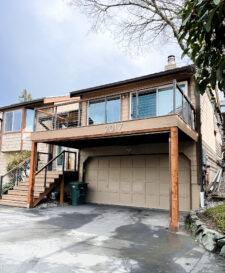
What Seminole's Climate Does to a Deck
Sun and Heat
Florida sun is relentless on exposed wood and composite decking alike. UV breaks down the lignin in wood fibers, leaving boards gray, brittle, and prone to splintering or cupping. On composite decking, prolonged sun exposure can fade color and, on older or lower-grade products, contribute to surface degradation over years of exposure. Full southern and western exposure decks age noticeably faster than shaded ones.
Wind-Driven Rain and Humidity
Pinellas County's storms don't just drop rain straight down — wind pushes it sideways, under railings, into ledger board connections, and into any gap where flashing or sealant has failed. Combined with Florida's humidity, that moisture doesn't evaporate quickly. The result is trapped water at joist hangers, ledger boards, and post bases, which leads to rot in wood framing or corrosion in fasteners long before the surface boards show visible damage.
Salt Air
Being close to the water means airborne salt settles on metal hardware — screws, joist hangers, bolts, and railing brackets — accelerating corrosion even on hardware rated for exterior use. Corroded fasteners are one of the most common hidden failure points we find on Seminole deck inspections, because the surface boards can look fine while the connections holding the structure together are compromised underneath.
Hurricane-Force Wind Loads
Decks are load-bearing structures, and repeated wind events put cyclical stress on ledger connections, post-to-beam connections, and railing attachment points. Even when a storm doesn't cause obvious damage, it can loosen fasteners or stress connections that then fail months later under normal use.
Signs Your Seminole Deck Needs Repair
- Boards that feel spongy, soft, or bounce underfoot
- Visible gaps, splitting, or cupping in wood decking
- Rust streaks around screws, nails, or metal brackets
- A railing or post that wiggles or feels less solid than it used to
- Gaps or separation where the deck attaches to the house (the ledger board)
- Discoloration or soft spots near the base of support posts
- Fading, chalking, or surface roughness on composite decking
- Standing water that doesn't drain after rain
Any one of these on its own might be minor. Several together, especially near ledger boards or posts, usually mean it's time for a real inspection rather than a patch job.
What a Correct Deck Repair Actually Involves
A lot of deck "repairs" amount to swapping out the boards that look bad and calling it done. That approach misses the point — if the framing underneath is compromised, new boards on top of a weak structure just hide the problem for a little while longer. Our process starts from the structure out:
1. Structural Inspection
We check the ledger board connection to the house, joist condition, post bases, and beam connections before touching the surface decking. This is where rot and fastener corrosion actually start in this climate, and it's the part most homeowners can't easily inspect themselves.
2. Fastener and Hardware Assessment
Given how fast salt air corrodes standard hardware here, we look closely at joist hangers, bolts, and structural screws — not just the ones you can see, but connections hidden under the decking surface.
3. Moisture and Rot Evaluation
Soft framing, discoloration, or a hollow sound when tapped are signs of rot that has to be cut out and replaced, not painted over. Trapped moisture at ledger boards and post bases is the most common structural failure point we see.
4. Surface Repair or Replacement
Once the structure underneath is sound, we address the visible surface: replacing damaged boards, resecuring loose ones, and correcting any drainage or slope issues that let water pool instead of shedding off the deck.
5. Railings and Attachment Points
Railings take direct wind load and get the most daily wear from hands and traffic. We check post attachment and railing hardware as part of every repair, since a loose railing is both a safety issue and often a sign of broader fastener corrosion.
Wood vs. Composite: Repair Considerations
| Factor | Wood Decking | Composite Decking |
|---|---|---|
| Sun/UV exposure | Grays and can splinter without regular sealing | Can fade or roughen on older/lower-grade products with prolonged sun exposure |
| Moisture behavior | Absorbs water; prone to rot if not sealed/maintained | Resists surface rot, but framing underneath is still typically wood and needs the same attention |
| Repair approach | Individual board replacement is straightforward and cost-effective | Matching discontinued colors/profiles can be harder; board-by-board repair still standard |
| Maintenance needs | Periodic sealing/staining recommended in this climate | Lower surface maintenance, but hardware and framing still need inspection |
| Salt air impact | Affects fasteners more than the wood itself | Affects fasteners more than the composite surface |
Whichever material you have, the framing underneath is almost always wood, and the fasteners are almost always metal — meaning the structural risks from salt air and moisture apply either way. Composite decking reduces surface maintenance, but it doesn't remove the need for a structural check underneath it.
Cost Factors for Deck Repair
We won't quote a number without seeing the deck, but the main things that drive cost are:
- Scope of structural damage — surface-only repairs cost far less than repairs involving rotted joists or ledger boards
- Decking material — matching existing wood species or composite color/profile can affect material cost
- Deck size and accessibility — larger decks, elevated decks, or ones with limited access take more labor
- Railing and hardware condition — corroded hardware replacement adds to scope but is not optional if it's compromised
- Whether permitting is required — structural repairs may require permitting through the local jurisdiction, which we handle as part of the project
Broadly, minor surface repairs run on the lower end of typical deck repair pricing, while structural repairs involving framing replacement cost more — but skipping structural repair to save money up front usually costs more later once the damage spreads.
Why It Matters to Hire a Crew That Works This Area
A deck repaired by someone unfamiliar with coastal Pinellas conditions often gets the surface fix right but misses what's happening underneath — because inland framing doesn't corrode and rot at the same rate ours does. Crews who work Seminole regularly know to check ledger connections and hardware first, because that's where our climate does its damage, not just where the boards look worn. We also know which repairs need to account for wind load given the area's hurricane exposure, rather than just replacing what's visibly broken.
Working locally also means we're familiar with the inspection and permitting expectations that apply to structural deck work in this part of Pinellas County, so repairs are handled correctly the first time.
Our Repair Process
- Inspection — full structural and surface assessment, including hardware and connections
- Findings review — we walk you through exactly what we found and why it matters, in plain terms
- Written estimate — clear scope of work and pricing before anything starts
- Repair work — structural repairs first, then surface and railing work
- Final walkthrough — confirming the deck is solid, safe, and ready for regular use
Maintaining Your Deck Between Repairs
- Reseal or restain wood decking on a regular schedule to slow UV and moisture damage
- Keep gutters and drainage clear so water isn't funneling onto or under the deck
- Rinse salt residue off railings and hardware periodically, especially after storms
- Check for loose boards or wobbly railings seasonally, before small issues become structural ones
- Have the deck inspected after any major storm, even if there's no visible damage
If your deck in Seminole is showing any of the signs above, or it's simply been a while since anyone looked at the structure underneath it, we're happy to take a look. We offer free, no-pressure estimates — just fill out the form below and we'll get back to you with an honest assessment of what your deck actually needs.