 St. Petersburg Roofing
 Composite Decking Built for Roser Park's Older Lots and Gulf Coast Weather
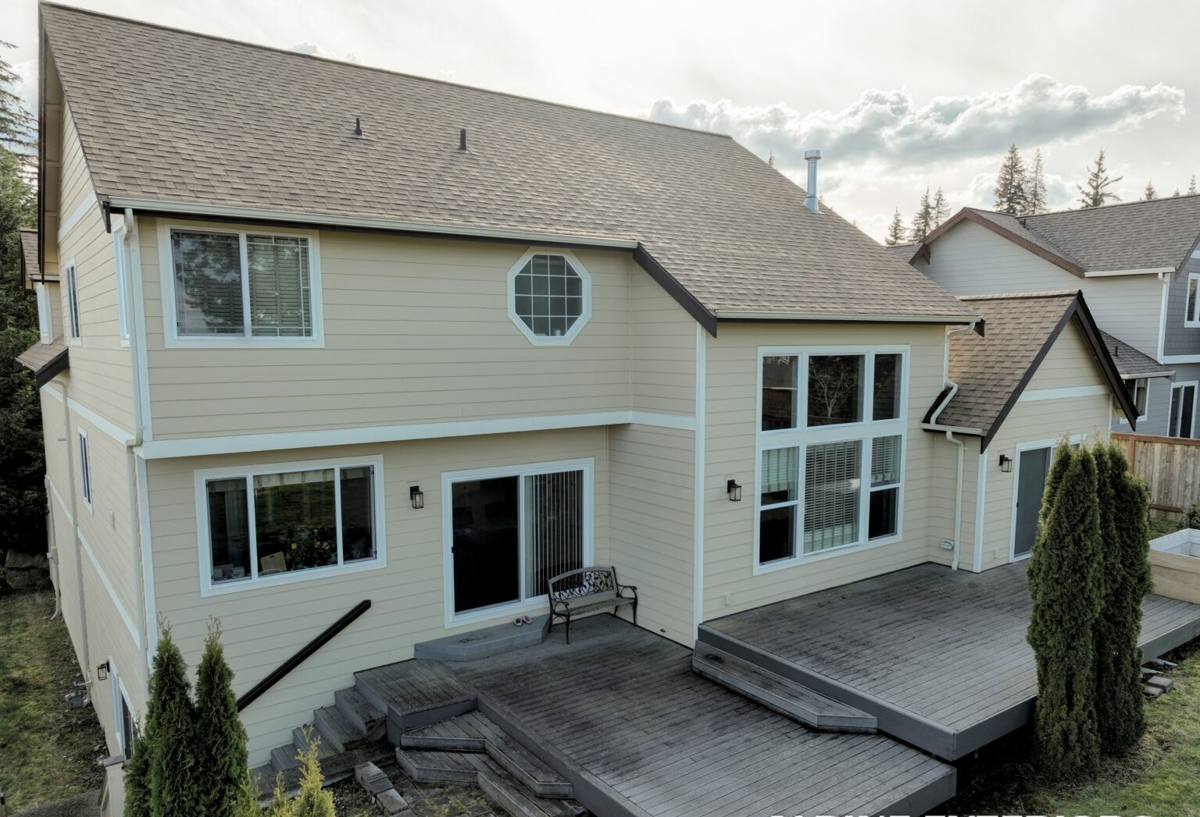
Roser Park is one of St. Petersburg's older residential neighborhoods, with mature tree canopy, sloped and uneven lots, and homes that were built well before anyone was thinking about hurricane wind ratings or UV-stabilized building materials. A deck here has to do two jobs at once: hold up to Pinellas County's climate and sit well with a house that has real age and character to it. Composite decking, installed correctly for this specific setting, does both without turning into a maintenance chore every spring.
This page is about composite decking for Roser Park specifically — not a generic rundown of the product. The framing, drainage, and fastening decisions that matter here are different from what we'd spec on a flat, sun-exposed lot closer to the water, and we've made those calls enough times in this neighborhood to know what actually holds up.
What Pinellas County Weather Does to a Deck Over Time
St. Petersburg sits in a climate that's tough on any exterior structure, and decking takes more of that abuse than most homeowners realize:
- Hurricane-force wind puts direct load on railings, ledger connections, and post footings — the parts of a deck that are hardest to inspect once it's built.
- Intense, year-round UV breaks down pigments and surface resins faster than in most of the country, which is why cheap or older-generation composite boards fade and chalk within a few seasons.
- Wind-driven rain gets pushed sideways under railings and against ledger boards, finding gaps that vertical rain never would.
- Salt air, even well inland from the Gulf, accelerates corrosion on fasteners, brackets, and any exposed metal hardware.
On a shaded, tree-canopied lot like a lot of what you find in Roser Park, add one more factor: boards stay damp longer after a storm because they don't get direct sun to dry them out. That combination — humidity that lingers plus UV that's brutal the moment the sun does hit — is exactly the environment composite decking was designed to handle better than wood, but only if the substructure underneath is built to move the moisture along.
Why Composite Outperforms Wood on This Kind of Lot
Wood decking isn't a bad product — it's a maintenance product. In a climate like this one, that maintenance schedule gets aggressive fast: sealing every year, re-staining every one to two years, and constant vigilance for soft spots where moisture sits under shade. On a sloped or shaded lot with less airflow, wood decking ages faster than the same wood would on an open, breezy site.
Composite decking sidesteps most of that. It doesn't absorb water the way wood fibers do, it won't splinter, and a quality capped board resists the fading and surface breakdown that Florida UV causes. It's not maintenance-free — nothing exposed to this climate is — but it's maintenance-light: periodic washing instead of annual sealing and sanding.
Where Composite Still Needs Respect
Composite boards expand and contract with heat more than wood does, and they're less forgiving of a sloppy substructure. Gaps that are too tight will buckle in August heat; gaps that are too loose look sloppy and trap debris. This is a product that rewards a crew that installs it by spec, not by habit from framing wood decks for twenty years.
What a Correct Composite Deck Installation Involves
The composite boards themselves get the attention, but the framing underneath them is what decides whether the deck is still solid in ten years. On the kind of lots common in Roser Park — some slope, some shade, older homes with ledger connections that need real scrutiny — we pay particular attention to:
Ledger and Attachment Points
Where the deck ties into the house is the single highest-stress connection on the whole structure, especially under wind load. On an older home, that means checking the actual condition of the rim joist and sheathing behind the siding before anything gets lag-bolted to it, not assuming it matches what's on paper.
Substructure and Drainage
Composite decking needs a framing layout — joist spacing, blocking, and ventilation — that matches the manufacturer's span tables for our climate, not the wider spacing that's sometimes fine for wood. On shaded or sloped lots we also grade and vent the space under the deck so water doesn't just sit there after every storm.
Fasteners and Hardware
Everything below the board line — joist hangers, screws, structural brackets — needs to be corrosion-resistant hardware rated for coastal exposure. This is the part of the job nobody sees after completion, and it's also the part that fails first if it's cut corners.
Railings and Wind Load
Railing posts are a common weak point in a hurricane-force wind event because they act as levers. Proper blocking and through-bolting at post locations matters more than the railing material itself.
Our Process, Start to Finish
- On-site assessment. We walk the lot, check slope and drainage, and look at the existing ledger or attachment area if you have a structure already there.
- Design and material selection. We talk through board tier, color, and railing options against your budget and how much upkeep you actually want to do.
- Permitting. Deck work in St. Petersburg requires a permit and inspection; we handle the application and coordinate the inspections so you don't have to chase City Hall.
- Framing. This is where most of the long-term durability gets decided — ledger, joists, footings, and hardware, all sized and spaced for composite and for our wind and moisture conditions.
- Composite installation. Boards, fasteners, and expansion gaps installed to the manufacturer's spec, which is also what keeps your warranty valid.
- Final walkthrough. We go over the finished deck with you, including basic care and what to expect from the board over the first year of Florida sun.
Composite Board Tiers and What Drives Cost
Composite decking isn't one product — it spans a range of quality and price, and the differences matter more in this climate than in milder ones.
| Factor | What It Affects | Why It Matters Here |
|---|---|---|
| Capped vs. uncapped composite | Fade resistance, stain resistance, warranty length | UV and humidity are harsh; capped boards hold color and resist moisture wicking far longer |
| Board color | Surface heat, visible fading over time | Darker boards run hotter underfoot and can show fade faster under intense sun |
| Substructure material (wood vs. composite framing) | Long-term rot resistance below the deck surface | Shaded, damp lots benefit from framing that doesn't depend on drying out between rains |
| Railing system | Wind performance, maintenance, upfront cost | Aluminum or composite rail systems handle salt air and wind load with less upkeep than wood |
| Deck footprint and height | Labor, footings, code requirements | Sloped Roser Park lots often need custom footing depths and stair layouts |
As a broad guideline, composite decks generally run higher upfront than a comparable wood deck but cost meaningfully less over a 10-15 year window once you factor in the sealing, staining, and board replacement that wood requires in this climate. Exact pricing depends on square footage, height, railing choice, and site conditions — that's what the on-site visit is for.
Permits and Working Within a Historic Neighborhood
St. Petersburg requires permits for new deck construction and for most deck rebuilds, and inspections happen at the framing stage and again at completion. If your home is in a designated historic district, there can be additional design review depending on what's visible from the street — this is worth confirming with the city early, not after materials are ordered. We handle the permit filing and inspection scheduling as part of the job so it isn't one more thing on your plate.
Before You Hire: A Practical Checklist
- Ask what fastener and hardware grade will be used below the deck surface, not just what board brand goes on top.
- Confirm the contractor is pulling a permit — an unpermitted deck can complicate a future home sale or insurance claim.
- Ask how they're addressing drainage and airflow under the deck if your lot is shaded or sloped.
- Get the manufacturer's warranty terms in writing, and confirm the installer is a certified installer if that affects warranty coverage.
- Ask how railing posts will be attached and blocked — this is a common shortcut on lower-bid jobs.
- Walk the finished framing before boards go down if you want to see it; a contractor confident in their work won't mind.
Why a Crew That Already Works This Neighborhood Matters
Roser Park's older homes, sloped lots, and mature tree cover aren't unique problems, but they are specific ones. A crew that's worked this neighborhood already knows to check ledger condition on an older rim joist before assuming it's sound, knows which lots need extra drainage work under the deck, and isn't guessing at how the city's permitting process handles homes in this part of St. Petersburg. That familiarity shows up in fewer surprises mid-project and a deck that's actually built for the lot it's on, not a generic spec sheet.
If you're weighing composite decking for a home in Roser Park, we're happy to come take a look at the lot, talk through board options, and give you a straight answer on what the job actually involves. Reach out for a free, no-pressure estimate using the form below.