 St. Petersburg Roofing
 Windows That Have to Work Harder in Roser Park
Roser Park sits close to the bay, which means the windows on these homes take on more than most people realize. Hurricane-force wind gusts test every seam and fastener. Year-round Florida UV bakes vinyl, degrades seals, and fades interior finishes through unprotected glass. Wind-driven rain during summer storms finds any gap in flashing or caulking and pushes water in behind the frame, not just at it. And because St. Petersburg is a coastal city, salt-laden air corrodes hardware, screws, and metal components faster here than it would fifty miles inland. A window that's rated and installed correctly for this environment holds up. One that isn't will show problems — fogging glass, sticking sashes, soft trim, water stains under the sill — well before it should.
What Makes Roser Park Different
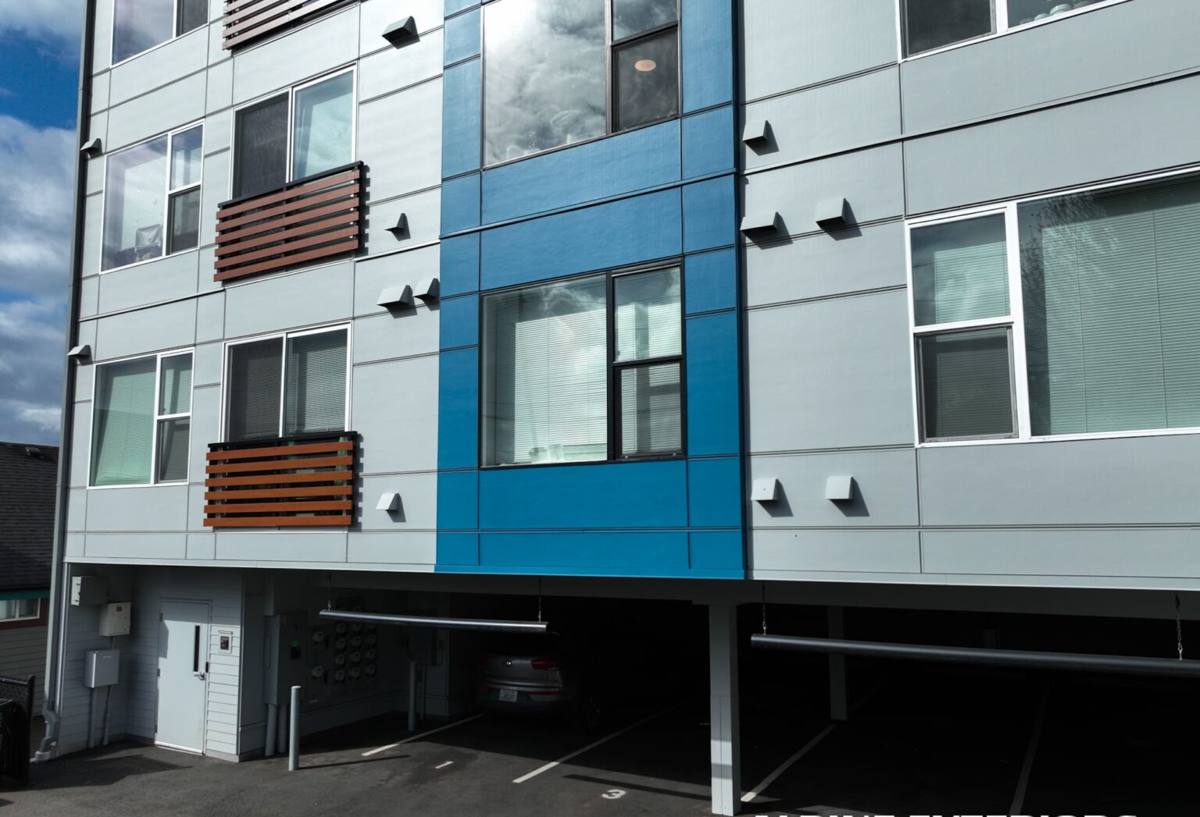
Roser Park is one of St. Petersburg's older, established neighborhoods, with a mix of early-1900s bungalow and Craftsman-style homes alongside newer infill construction. That mix matters for window work. Older homes often have original wood-framed window openings that have shifted slightly over the decades, plaster or lath-and-plaster interior walls that require careful trim work, and construction details that don't always match modern standard sizes off the shelf. Newer homes nearby are usually built to more current wind code and have more standardized rough openings. A crew that hasn't worked in a neighborhood like this can run into surprises mid-install — an opening that's not quite square, siding that needs matching, or trim details that call for custom work rather than a stock fit. Knowing what to expect before the first window comes out saves time and prevents damage to the surrounding structure.
Impact-Rated vs. Standard Windows: What We Recommend
For any home in Pinellas County, and especially one this close to the water, the decision between impact-rated and standard windows (paired with separate shutters) is the first real fork in the road. Here's how they compare for a Roser Park home:
| Factor | Impact-Rated Windows | Standard Windows + Shutters |
|---|---|---|
| Storm protection | Built into the glass and frame; always in place | Only effective if shutters are deployed before the storm |
| Daily UV and noise reduction | Laminated glass cuts UV transmission and outside noise year-round | No added benefit outside of storm events |
| Upfront cost | Higher per window | Lower window cost, but shutters add their own expense |
| Insurance impact | Can qualify for wind-mitigation credits | Credits depend on shutter type and documentation |
| Maintenance | Minimal; no separate hardware to store or operate | Shutters need storage, upkeep, and someone to install them in time |
Impact-rated windows generally make more sense for full replacements in this area because they protect the home whether or not anyone's home to put up shutters, and they quietly do double duty against UV and street noise every other day of the year. Standard windows with a solid shutter system are still a legitimate, lower-cost option — the right call depends on budget, the home's exposure, and how the rest of the house is protected.
What "Impact-Rated" Actually Means
An impact-rated window uses laminated glass — two panes bonded around an interior plastic layer — set into a frame designed to stay intact under wind pressure even if the outer pane cracks. It's tested to hold together against wind-borne debris impacts and the pressure cycling of a hurricane. That's different from simply "hurricane glass" as a marketing term; the rating comes from the whole assembly passing recognized testing standards, not just from thicker glass.
What a Correct Installation Actually Involves
The window itself only matters as much as the installation around it. Most window failures we get called out to inspect trace back to installation shortcuts, not a bad product. A proper job includes:
- Removing the old window and fully inspecting the rough opening for rot, soft wood, or prior water damage before anything new goes in
- Correcting the opening — replacing damaged framing, not building around it
- Installing flashing in the right order (usually a sill pan, then side flashing, then the window, then a head flashing) so water is directed out, not trapped behind the frame
- Shimming and leveling so the sash operates smoothly and the frame isn't stressed out of square
- Sealing with the correct sealant and backer rod at the exterior, plus proper insulation at the interior gap — not just a bead of caulk around the trim
- Fastening according to the window's engineering specs, especially for impact-rated units where fastener spacing is part of the wind rating
- Interior and exterior trim finished to match the home, with paint or sealant applied to protect exposed wood
Skip the flashing detail or the fastener schedule and a window can look fine for a year or two before wind-driven rain starts working its way behind the trim — usually discovered only once there's visible damage inside.
Our Process for a Roser Park Window Project
1. On-Site Assessment
We walk the home, measure each opening individually rather than assuming they match, and check for framing issues, moisture damage, or settling that needs to be addressed before new windows go in.
2. Product Selection
We go over frame material, glass package, and impact rating against your budget and how exposed the home is — a window on an unshaded west wall facing prevailing storm winds is a different decision than one tucked under a covered porch.
3. Installation
Old units come out, openings get corrected as needed, and new windows go in with proper flashing, sealing, and fastening. We protect landscaping and interior floors during the work and keep the job site contained.
4. Final Check and Cleanup
Every window gets operated and checked for square, level, and proper seal before we call the job done, and we haul away the old units and debris.
Frame Materials: What Holds Up Here
Salt air and heat rule out some choices that work fine inland. Here's the general tradeoff picture:
| Frame Material | Coastal/Heat Performance | Maintenance |
|---|---|---|
| Vinyl | Good UV-stabilized vinyl resists salt corrosion well and doesn't conduct heat | Low — no painting, occasional cleaning |
| Aluminum | Strong, but standard aluminum can corrode near the coast unless properly coated | Moderate — coating needs to hold up over time |
| Wood / Wood-clad | Handsome, often preferred for historic-style homes, but most vulnerable to moisture and salt without diligent upkeep | Higher — periodic painting/sealing required |
| Fiberglass | Very stable in heat and resists corrosion well | Low |
For a bungalow-style Roser Park home where the original character matters, we'll talk through options that keep the look right — true-divided-light patterns or wood-tone finishes — without giving up the performance a coastal home needs. This is a matter of choosing the product and maintenance plan that fits the home, not a knock on any material; wood windows can absolutely last on a well-maintained coastal home, they just ask more of the owner over time.
Signs Your Current Windows Are Already Failing
Worth checking before storm season, or before deciding whether repair or replacement makes more sense:
- Fogging or moisture between panes on double- or triple-glazed units — the seal has failed
- Sashes that stick, won't stay open, or are hard to lock
- Visible daylight or a draft around the frame when closed
- Soft or discolored trim/drywall near the window, a sign water is getting behind it
- Chalky, pitted, or corroded frame hardware
- Noticeably higher cooling bills with no other explanation
- Frames that feel warm to the touch on a hot day, a sign of poor thermal performance
Why a Crew That Already Works Roser Park Matters
Window work on an older St. Petersburg home isn't quite the same as a new-construction install. A crew that's already worked in Roser Park knows to expect non-standard openings, understands how to blend new trim into original woodwork, and won't be caught off guard by the framing quirks common in homes of this era. That familiarity shows up in fewer surprises, fewer change orders, and a finished job that actually looks like it belongs on the house — not like a modern window was dropped into an old opening.
Permits and Wind Code in Pinellas County
Window replacement in St. Petersburg and Pinellas County generally requires a permit, and the products used have to meet the wind-load and impact requirements for this coastal wind zone. That's not paperwork for its own sake — it's what confirms the window and its installation can actually take the pressure a hurricane puts on it. We handle the permitting and make sure the products we install are rated for what this location requires.
If you're weighing repair versus replacement, or just want a straight answer on what your Roser Park home's windows actually need, we're happy to take a look and put together a free, no-pressure estimate. Use the form below to get started.