 St. Petersburg Roofing
 Why Kenneth City Roofs Wear Out Faster Than People Expect
Kenneth City is a small, established community tucked into Pinellas County between St. Petersburg and its neighboring towns, and a lot of the homes here were built decades ago during Florida's mid-century growth years. That means a large share of the roofs in the neighborhood are original construction, older re-roofs, or repairs layered on top of repairs. None of that is unusual for this part of Florida — but it does mean roofs here are working harder, for longer, against tougher conditions than roofs almost anywhere else in the country.
Pinellas County sits in a subtropical zone with intense, nearly year-round UV exposure. That sun bakes asphalt shingles, dries out the oils that keep them flexible, and accelerates granule loss long before a roof reaches the age printed on its warranty. Add in wind-driven rain during summer storms, the periodic threat of hurricane-force winds, and the steady presence of salt air moving in off Tampa Bay and the Gulf, and you get a climate that attacks a roof from every direction at once — heat from above, moisture from the side, and corrosion working on every metal fastener and flashing piece. A roof repair done for a home in a drier, cooler climate simply doesn't need to account for all of that. One done right here does.
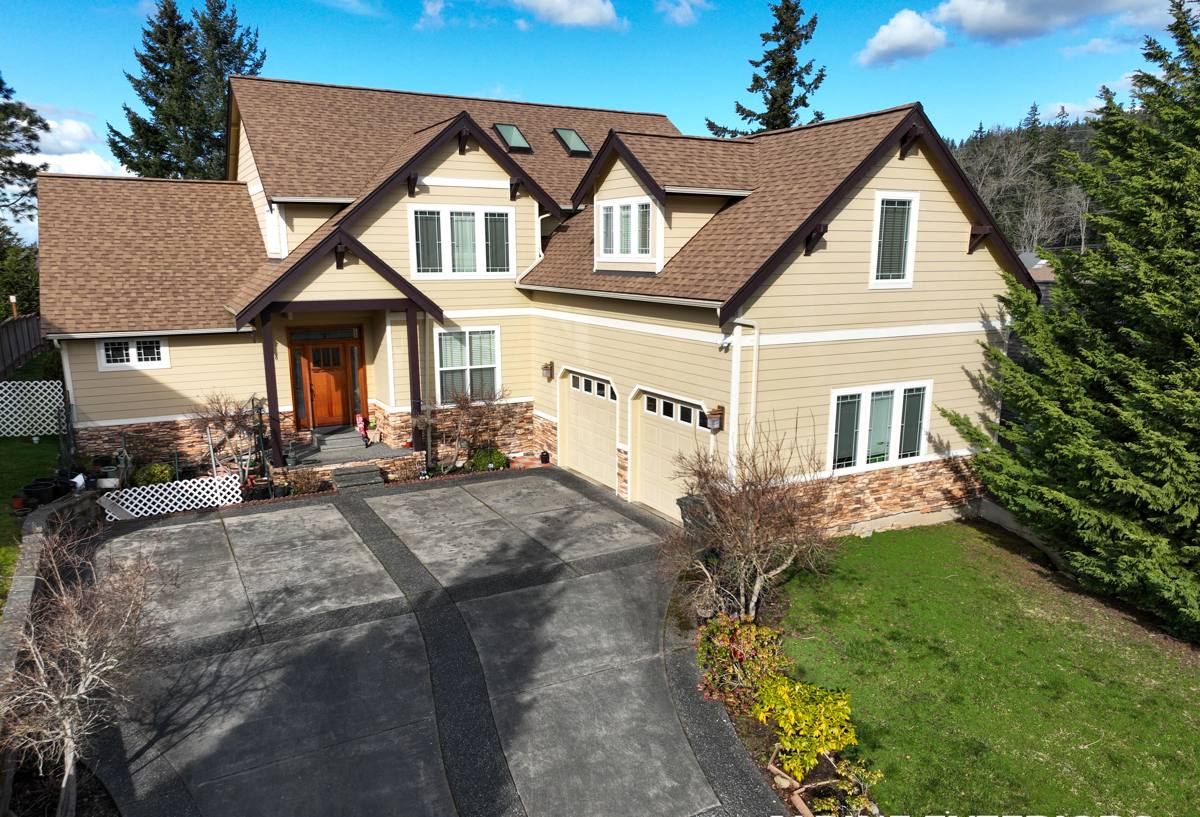
Warning Signs It's Time for Roof Repair
Most roof problems don't start as a dramatic leak — they start small and get ignored until water finds its way inside. Homeowners in Kenneth City should treat any of the following as a reason to get a roof looked at, not wait for the next big storm to make the decision for them.
- Water stains, discoloration, or bubbling paint on ceilings or interior walls
- Granules collecting in gutters, downspouts, or in puddles near the base of the house
- Shingles that are cracked, curling at the edges, or visibly missing
- Daylight visible through the roof boards when looking up from inside the attic
- Sections of the roofline that look sunken or uneven when viewed from the ground or driveway
- Rusted, lifted, or gapped flashing around chimneys, plumbing vents, or skylights
- A musty smell or noticeably warmer, more humid attic than the rest of the house
- Debris, torn shingle pieces, or granule buildup after a storm passes through
Any one of these on its own might be minor. Several at once, or one that's been there a while, usually means water has already gotten past the surface layer and into the roof deck underneath.
The Cost of Waiting
A small flashing leak or a handful of lifted shingles is a straightforward, contained repair. The same problem left alone through a rainy season can soak the plywood decking underneath, and once decking gets wet repeatedly it starts to soften and rot. At that point a simple shingle repair turns into cutting out and replacing decking, which costs more, takes longer, and sometimes exposes damage to insulation or framing that wasn't visible from the outside. Catching problems early is the single biggest cost-control decision a homeowner can make.
What a Correct Roof Repair Actually Involves
"Roof repair" covers a wide range of work, and the quality of a repair depends almost entirely on whether the crew treats the visible damage as the whole problem or as a symptom of something underneath.
Finding the Real Source of the Leak
Water on a ceiling rarely shows up directly below where it entered the roof. It travels along rafters, insulation, and decking before dripping somewhere lower and more visible. A proper repair starts with tracing the path backward — checking the attic where it's accessible, examining flashing points, valleys, and roof penetrations, and confirming the actual entry point before any materials are pulled or replaced. Patching the spot where a stain appeared on the ceiling, without finding where the water is actually getting in, is one of the most common ways a "fixed" roof leaks again during the next hard rain.
Matching Materials the Right Way
Repairing a section of an older roof means working with shingles, flashing, and underlayment that may no longer be sold in the exact style or color of what's currently on the house. A careful repair accounts for this — sourcing the closest available match, blending repair areas into less visible parts of the roof plane where possible, and being upfront with the homeowner about where an exact match isn't realistic. Underlayment and flashing quality matter just as much as the shingles themselves, since those are the layers actually keeping water out; cutting corners there to save time is how a repair fails early.
Common Roof Repair Issues on Kenneth City Homes
These are the problems that show up most often on roof repair calls in this part of Pinellas County, along with what typically causes them and what a proper fix involves.
| Issue | Typical Local Cause | What the Repair Involves |
|---|---|---|
| Cracked or curling shingles | Years of intense UV exposure drying out the asphalt | Remove and replace affected shingles; check underlayment condition beneath |
| Lifted or missing shingles | Wind uplift from summer storms or hurricane-force gusts | Reset or replace shingles with correct nailing pattern and sealant |
| Flashing leaks at chimneys or walls | Wind-driven rain forcing water sideways and upward under edges | Remove and properly reflash the joint, not just caulk over it |
| Exposed or popped nail heads | Repeated heat expansion and contraction cycles | Reseat or replace fasteners and seal each penetration |
| Soft or sagging deck sections | Prolonged, undetected moisture intrusion causing wood rot | Cut out and replace the damaged decking, then re-roof that section |
| Valley leaks | Heavy rainfall volume concentrating where two roof slopes meet | Rebuild the valley's flashing and underlayment to proper spec |
| Corroded metal flashing or vents | Ongoing exposure to salt air moving in off the coast | Replace with corrosion-resistant flashing rated for coastal exposure |
Repair or Replace? How We Help You Decide
Not every damaged roof needs to come off. But not every roof is a good candidate for another round of patchwork either. We walk homeowners through the honest factors rather than defaulting to whichever answer costs more.
| Factor | Leans Toward Repair | Leans Toward Full Replacement |
|---|---|---|
| Roof age | Well within its expected service life | At or near the end of its expected lifespan |
| Extent of damage | Isolated to one area or slope | Spread across multiple areas of the roof |
| Deck condition | Sound and dry once opened up | Soft, rotted, or wet in more than one spot |
| Shingle match availability | Close match still available | Discontinued line, mismatch would be obvious |
| Storm and repair history | First repair after an isolated event | Repeated repairs or claims over recent years |
| Homeowner goals | Extend current roof's life a reasonable amount | Wants one consistent warranty and less future risk |
We'll always tell a homeowner when a repair is the honest answer, even if a replacement would be the bigger job for us. A roof that's structurally sound and has years of life left doesn't need to be torn off just because a section got damaged.
Our Roof Repair Process
Homeowners generally want two things from a repair call: a straight answer about what's actually wrong, and a clear idea of what happens next. Our process is built around both.
- You reach out and describe what you're seeing — a stain, a storm event, a missing shingle, or just an aging roof you want checked out.
- We inspect the roof and, where accessible, the attic, to find the real cause rather than just the visible symptom.
- We walk you through what we found in plain language, including whether it's a targeted repair or something bigger.
- You get a written estimate that breaks down the scope of work, not a vague number.
- Once scheduled, we protect landscaping, gutters, and the area around the house during the work.
- The repair is completed, old materials are removed, and the work area is cleaned up before we leave.
- We do a final walkthrough so you can ask questions and see what was done before we consider the job finished.
Why a Crew That Already Works Kenneth City Matters
Roof repair isn't just a materials-and-labor job — it's also a local-knowledge job. A crew that regularly works in Kenneth City and the surrounding St. Petersburg area already understands the roof ages and construction styles common to the neighborhood, knows what Pinellas County's permitting and inspection process looks like for repair work, and is familiar with the wind-resistance requirements Florida's building code applies to roofing in this region. That matters because a repair that isn't installed to the correct wind-rating standard can fail in the next storm even if it looked fine the day it was finished.
There's also a practical, everyday advantage: a local crew can respond faster after a storm rolls through, doesn't have to guess at what materials will hold up against this specific mix of sun, humidity, and salt air, and has a reputation in the area worth protecting. A contractor who mainly works somewhere else and treats Kenneth City as a one-off job site has less incentive to get every detail right — and less experience with how this climate actually breaks roofs down over time.
Keeping Your Roof Sound After the Repair
A good repair should buy years of life, but a little upkeep afterward makes a real difference in how long it lasts.
- Keep gutters clean so water doesn't back up under shingle edges
- Trim back tree branches that scrape shingles or drop debris onto the roof
- Have the roof checked after any major storm, even if nothing looks obviously wrong
- Make sure attic ventilation stays clear — blocked vents trap heat and moisture that shorten shingle life
- Schedule a professional inspection once a year, ideally ahead of hurricane season
- Report small leaks or stains right away instead of waiting to see if they get worse
None of this requires climbing on the roof yourself. Most of it is just paying attention and calling someone before a small issue turns into a bigger one.
Get an Honest Look at Your Roof
If you're dealing with a leak, storm damage, or a roof that's just showing its age, the best next step is a straightforward inspection — not a guess based on a photo or a phone description. We offer free, no-pressure estimates for Kenneth City homeowners, and we'll tell you plainly whether you're looking at a repair or something more. Fill out the form below to get started.