 St. Petersburg Roofing
 What Disston Heights Homes Are Up Against
Disston Heights sits inland enough to feel like a quieter, older St. Petersburg neighborhood, but it's still fully exposed to everything Pinellas County weather throws at a house over a 30-, 40-, or 50-year lifespan. That combination — hurricane-force wind gusts, intense year-round UV, wind-driven rain, and salt-laden air moving in off Tampa Bay and the Gulf — is exactly why siding choice and installation quality matter more here than in most parts of the country. A product or installation method that holds up fine in a mild climate can fail early in this one.
Older homes in this part of St. Petersburg were often built with wood siding, and many have already been through at least one re-side with vinyl or an older fiber cement product. If your siding is chalking, cupping, showing seam lines, or letting moisture in around the trim, it's worth understanding what actually causes that before you pick a replacement material — because the material and the installation are equally responsible for how long the next job lasts.
Why We Install Only James Hardie
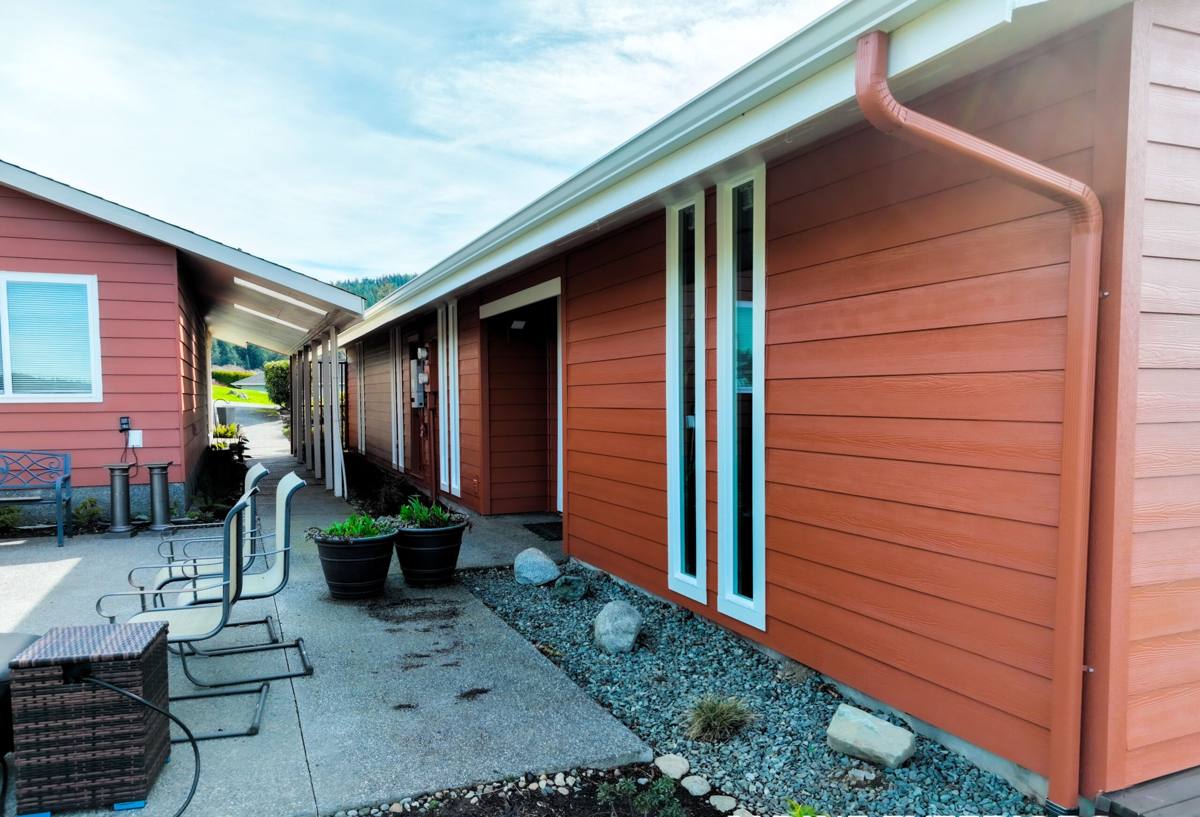
We don't install vinyl, LP SmartSide, Cemplank, Allura, or primed wood siding — not because those products can't be installed correctly by someone, but because our company has standardized on one system we trust to perform in this climate over the long run. James Hardie fiber cement is non-combustible, it doesn't expand and contract with heat the way vinyl does, and its ColorPlus factory finish is baked on under controlled conditions rather than field-painted on a ladder in Florida humidity. For a neighborhood that sees full sun exposure most of the year and occasional tropical-storm-force wind, that combination of dimensional stability and finish durability is the reason we build every job around it.
This isn't a knock on every alternative product across the board — it's a statement about what we're willing to put our name behind and warranty. Sticking to one manufacturer's system also means our crews aren't relearning fastening patterns, trim details, and flashing methods every time they show up to a job — they install Hardie the same correct way every time.
James Hardie HZ5 vs. Standard Product
| Feature | Standard (HZ10) Formulation | HZ5 Formulation (Gulf/humid-climate zones) |
|---|---|---|
| Engineered for | Colder, drier climate zones | Hot, humid, high-moisture climate zones like the Tampa Bay area |
| Moisture resistance | Standard | Enhanced resistance to humidity and moisture cycling |
| Fits Pinellas County | Not the intended zone | Yes — matches St. Petersburg's climate profile |
| What it means for you | Product built for a different environment | Product engineered for the exact conditions your home faces |
James Hardie makes climate-specific formulations for a reason, and a contractor who isn't paying attention to which one they're ordering is skipping a detail that matters. For St. Petersburg homes, the HZ5 formulation is the right call, and it's what we spec by default for Disston Heights jobs.
What Correct Installation Actually Involves
Fiber cement siding is only as good as the installation underneath it. Most of the problems we see on re-side jobs — cracked boards, buckling, water intrusion behind the siding, premature paint failure at seams — trace back to installation shortcuts, not the material itself.
Fastening for Wind Exposure
James Hardie publishes specific nailing patterns and fastener spacing requirements, and those requirements tighten up in higher wind-exposure zones. Coastal Pinellas County, including neighborhoods like Disston Heights, falls into wind zones where correct fastener type, spacing, and embedment aren't optional details — they're what keeps siding attached during a tropical storm or hurricane-force gust event instead of peeling off the wall.
Flashing and Moisture Management
Wind-driven rain doesn't just hit a wall — it gets pushed sideways and upward into gaps that would never see water in a calmer climate. Correct installation means proper weather-resistant barrier behind the siding, correctly lapped and sealed flashing at every window, door, and roofline transition, and the right gap and caulk detail at butt joints and trim. Skip any of these and moisture finds its way behind the siding regardless of how good the boards themselves are.
Factory Finish vs. Field Touch-Up
ColorPlus finish is applied and cured at the factory under controlled conditions, which gives it far better UV and fade resistance than field-applied paint — a real advantage under Florida's year-round sun. The installation detail that matters here is using Hardie's matched touch-up products at cuts and fasteners, and caulking joints with a product rated for the finish, so the factory-grade durability isn't undermined by a sloppy field seam.
Salt Air and Long-Term Durability
Homes closer to the water deal with salt air that accelerates corrosion on fasteners, trim, and any exposed metal. Fiber cement itself isn't damaged by salt the way some metals are, but the fasteners, flashing, and trim accessories used in the installation need to be rated for coastal exposure. This is another detail that separates a re-side that looks right on move-out day from one that still looks right in ten years — using coastal-rated fasteners and trim accessories isn't an upsell, it's a requirement we build into every quote for homes in this part of St. Petersburg.
Matching the Neighborhood's Character
Disston Heights has a mix of older Florida housing stock — ranch-style homes, bungalows, and mid-century construction are common throughout this part of St. Petersburg. James Hardie's lap siding, shingle-style panels, and trim boards give us the flexibility to match a home's existing character rather than forcing every house into the same look. ColorPlus comes in a range of factory colors, and Hardie's board profiles (traditional lap, Beaded, shingle panels) let us keep a home looking like it belongs on its street instead of standing out for the wrong reasons.
Cost Factors on a Disston Heights Siding Job
We don't publish blanket prices because every home is different, but these are the factors that actually move the number on a quote:
| Factor | Why It Matters | Cost Impact |
|---|---|---|
| Tear-off vs. overlay | Full removal of old siding and inspection/repair of sheathing underneath | Higher, but often necessary on older homes |
| Home square footage & wall complexity | More corners, gables, and dormers mean more cuts and trim work | Moderate to high |
| Existing damage found underneath | Rotten sheathing or water damage discovered after old siding comes off | Variable — addressed as found |
| Board profile & trim detail | Shingle-style panels and custom trim take more labor than plain lap siding | Moderate |
| Color selection | Standard ColorPlus colors vs. premium finish options | Low to moderate |
The biggest driver of cost surprises isn't the siding itself — it's what a crew finds once the old siding comes off. A contractor who won't talk you through what's likely under your specific home's siding before starting isn't giving you a real estimate.
Our Process for Disston Heights Homes
Every job follows the same sequence, whether it's a full re-side or a section replacement after storm damage:
- On-site inspection of current siding, trim, and visible signs of moisture or wind damage
- Written estimate specifying board profile, HZ formulation, fastener spec, and color — no vague line items
- Tear-off (when needed) with inspection of sheathing and framing before anything new goes up
- Weather-resistant barrier and flashing installed and inspected before siding starts
- James Hardie installed to manufacturer fastening spec for this wind zone
- Trim, caulking, and touch-up completed with Hardie-matched products
- Final walkthrough with the homeowner before the job is called done
Why a Local Crew Matters Here
A crew that already works Disston Heights and the surrounding St. Petersburg neighborhoods knows the housing stock, knows what tends to be hiding under older siding in homes this age, and understands the wind and flashing requirements for this specific part of Pinellas County without having to look them up mid-job. Just as important: a local company is still reachable next year if a question comes up about the warranty, a repair is needed after a storm, or you want a section matched for an addition. Siding is a long-term investment in the house — it deserves a contractor who's still local when that long term arrives.
Caring for Hardie Siding After Installation
James Hardie siding is low-maintenance compared to wood, but "low-maintenance" doesn't mean "no maintenance," especially in a salt-air, high-UV climate. A yearly rinse-down to clear salt residue and grime, prompt caulk touch-up if a seam opens up, and keeping sprinklers from hitting the siding directly all go a long way toward getting the full lifespan out of the material and finish. If storm debris ever cracks or dislodges a board, addressing it quickly keeps water from getting behind the siding and causing damage that's more expensive to fix than the original repair would have been.
If your Disston Heights home needs new siding — or you just want a straight answer about what shape your current siding is in — we're happy to come take a look. The estimate is free, there's no pressure, and you'll get a written scope that tells you exactly what we'd do and why.