 St. Petersburg Roofing
 Kenneth City's Climate Is Hard on Siding — Here's Why
Kenneth City sits inland from Tampa Bay but still close enough to the water that its homes take on the same weather stress as the rest of Pinellas County. That means intense year-round UV exposure, wind-driven rain that finds every gap in a wall system, salt-laden air that speeds up corrosion, and the real possibility of hurricane-force wind loads during storm season. Siding here isn't just cosmetic — it's the first line of defense between your home's structure and a climate that never really gives a house a break.
A lot of siding failures we see in this area aren't because the original product was bad in a lab test. They happen because the material or the installation wasn't matched to what this specific climate demands. That's the gap we focus on closing when we replace siding on a Kenneth City home.
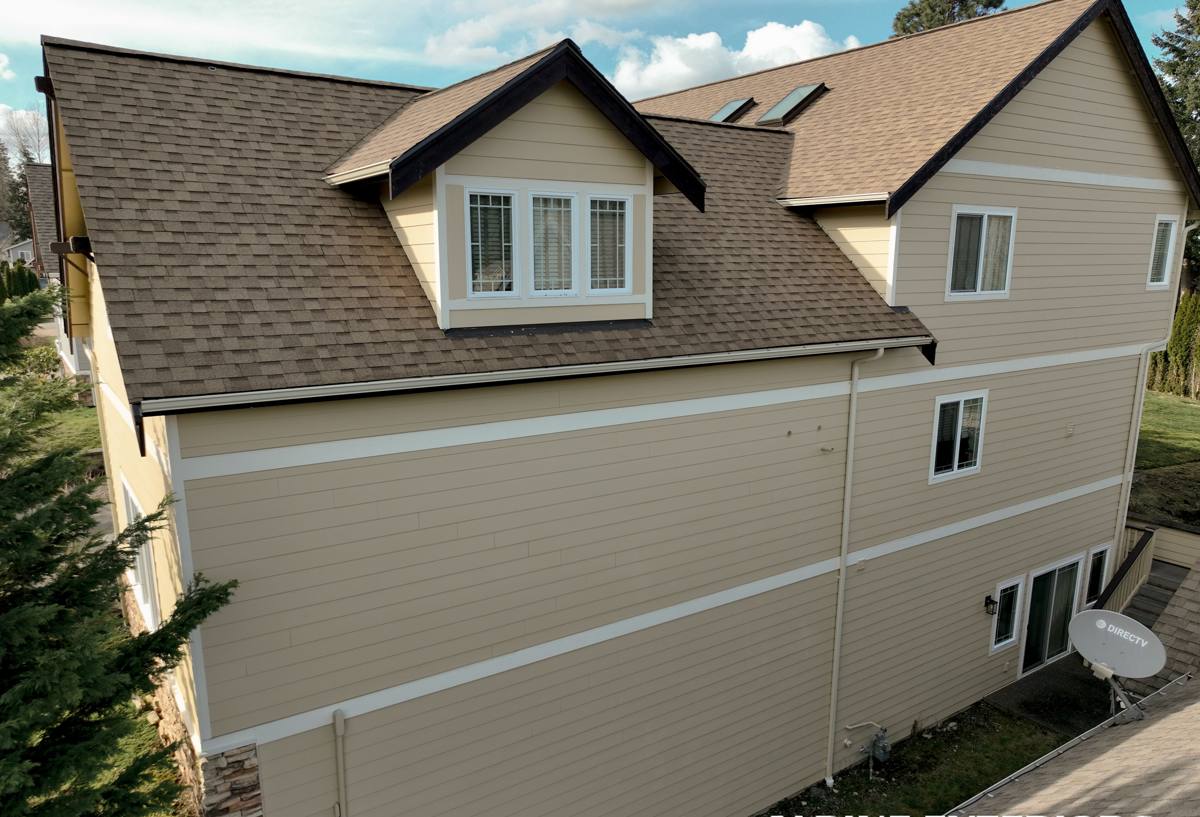
What Local Homes Actually Need From Their Siding
UV and Heat
Florida sun bleaches and breaks down paint film faster than almost anywhere else in the country. Siding that relies on field-applied paint will chalk, fade, and need repainting on a shorter cycle than homeowners expect. Over time that becomes a recurring maintenance bill that a lot of people don't budget for when they first choose a siding product.
Wind-Driven Rain
Rain in this region rarely falls straight down. Storms push it sideways, and sideways rain finds its way behind loose panels, through poorly lapped joints, and into any seam that wasn't flashed correctly. Once moisture gets behind siding, it doesn't dry out quickly in Florida's humidity — that's when rot, mold, and sheathing damage start.
Salt Air
Even homes that aren't right on the water still get salt exposure carried in on the wind off Tampa Bay and the Gulf. Salt accelerates corrosion on fasteners, trim, and any metal components in a siding system. Products and hardware that aren't rated for that exposure age faster here than they would inland.
Wind Load
Pinellas County building codes account for hurricane-force wind, and siding attachment has to hold up to it. A siding job that looks fine on a calm day can fail during a storm if it wasn't fastened to the spacing and pattern the product and the wind zone actually require.
What a Correct Siding Replacement Job Involves
Replacing siding correctly is more than pulling off old panels and nailing up new ones. On every job, the work should include:
- Full removal of old siding and inspection of the sheathing underneath for hidden rot or moisture damage
- Repair or replacement of any compromised sheathing before new siding goes on
- Installation of a weather-resistive barrier (house wrap) that's lapped and taped correctly for wind-driven rain
- Proper flashing at windows, doors, and any wall penetrations
- Correct fastener type, spacing, and depth for the specific product and local wind zone
- Proper joint and seam treatment so water sheds outward instead of collecting
- Caulking and sealing at transitions, using products rated for exterior UV and moisture exposure
Skip any one of these steps and you can end up with siding that looks good for a year or two before problems start showing up behind the surface, where they're expensive to find and fix.
Why We Only Install James Hardie Fiber Cement
We made a decision a while back to standardize on one siding system instead of offering a menu of products with different weaknesses. We install James Hardie fiber cement exclusively — not vinyl, not LP SmartSide, not Cemplank, Allura, or primed wood. That's not a marketing preference; it's a standard we hold because of what we've seen hold up in this climate and what doesn't.
Fiber cement is non-combustible, which matters for both safety and, in many cases, insurance considerations. James Hardie's ColorPlus finish is baked on at the factory under controlled conditions, not brushed on in the field, so it resists the fading and chalking that Florida UV causes on field-painted products. Hardie also engineers specific product lines for different climate conditions — including a version built for higher moisture and humidity exposure — which is a better match for a county like Pinellas than a one-size-fits-all product.
None of that means other products are worthless. Vinyl is inexpensive and easy to install. LP SmartSide is a legitimate engineered wood product with real strengths. But each of those comes with trade-offs — moisture sensitivity, expansion and contraction in heat, shorter finish life, or installation tolerances that are easy to get wrong — that we've decided aren't worth building a Florida siding job around. When it's our name on the work, we want a material and a finish system built to handle what this climate actually does to a house.
Fiber Cement vs. Other Common Siding Options
| Factor | James Hardie Fiber Cement | Vinyl | Engineered Wood (e.g. LP SmartSide) |
|---|---|---|---|
| Finish durability in Florida sun | Factory-baked ColorPlus, resists fading | Can fade and become brittle over time | Field-applied paint, shorter repaint cycle |
| Moisture tolerance | Engineered climate-specific lines available | Doesn't absorb water but can trap it behind panels | Wood-based; sensitive if moisture gets behind it |
| Fire resistance | Non-combustible | Combustible | Combustible |
| Wind performance when properly installed | Rated for high wind zones | Lower impact resistance | Good, install-sensitive |
| Typical lifespan with proper install | Decades, with strong transferable warranty | Shorter, warranty often prorated | Shorter finish life than fiber cement |
Our Process for a Kenneth City Siding Replacement
- On-site inspection of your current siding, trim, and sheathing to assess actual condition, not just the surface
- Honest conversation about what's driving the need for replacement — moisture, storm damage, age, or appearance
- Product and color selection from James Hardie's lineup, matched to your home and the local climate
- Written estimate that spells out scope, materials, and timeline before any work starts
- Full tear-off, sheathing repair where needed, and correct installation of house wrap, flashing, and siding
- Final walkthrough with you to confirm the finished work meets what was promised
We don't skip the inspection step. A lot of siding problems in this area start below the surface, and a job that only addresses what's visible can leave the actual cause of the damage in place.
Signs Your Kenneth City Home May Need Siding Replacement
- Warping, buckling, or gaps between panels
- Cracking or bubbling paint that keeps coming back after repainting
- Soft spots or visible damage near the bottom of walls or around windows
- A musty smell along exterior walls, which can indicate trapped moisture
- Rising cooling bills, which can point to a compromised weather barrier
- Visible rust streaks from fasteners or trim hardware
- Siding that's more than 20-25 years old, especially if it's never been replaced
Any one of these on its own isn't necessarily an emergency, but a few showing up together is usually a sign it's time to have someone take a real look rather than wait.
What Drives the Cost of Siding Replacement Here
| Factor | Why It Matters Locally |
|---|---|
| Amount of sheathing repair needed | Homes with hidden moisture damage from wind-driven rain need more structural repair before new siding goes on |
| Home size and complexity | More corners, windows, and trim detail mean more labor and material |
| Siding profile and color selection | ColorPlus finishes and certain profiles carry different material costs |
| Removal and disposal of old siding | Full tear-off costs more upfront but avoids covering up existing problems |
| Permitting requirements | Pinellas County wind-zone rules can affect fastening specs and inspection steps |
We don't give ballpark numbers without seeing the house first — too many of these factors vary from one property to the next to make a fair estimate sight unseen.
Why Working With a Crew That Already Knows Kenneth City Matters
A contractor who regularly works in and around St. Petersburg and Pinellas County already understands the local wind-zone requirements, the permitting process, and the specific ways this climate wears down a home's exterior. That familiarity shows up in small but important decisions — how flashing gets detailed, how fastener spacing is handled, which side of the house takes the worst weather exposure. It also means faster response if you need someone to look at storm damage or answer a question after the job is done, instead of waiting on a crew that has to drive in from somewhere else.
We're not a national franchise cycling through unfamiliar territory. We work this area regularly, and we install one siding system because we've seen what holds up here and what doesn't.
Get a Straightforward Estimate
If your Kenneth City home's siding is showing its age, took storm damage, or you're just planning ahead, we're happy to come take a look and give you an honest assessment — no pressure, no inflated scare tactics. Fill out the form below for a free estimate.