 St. Petersburg Roofing
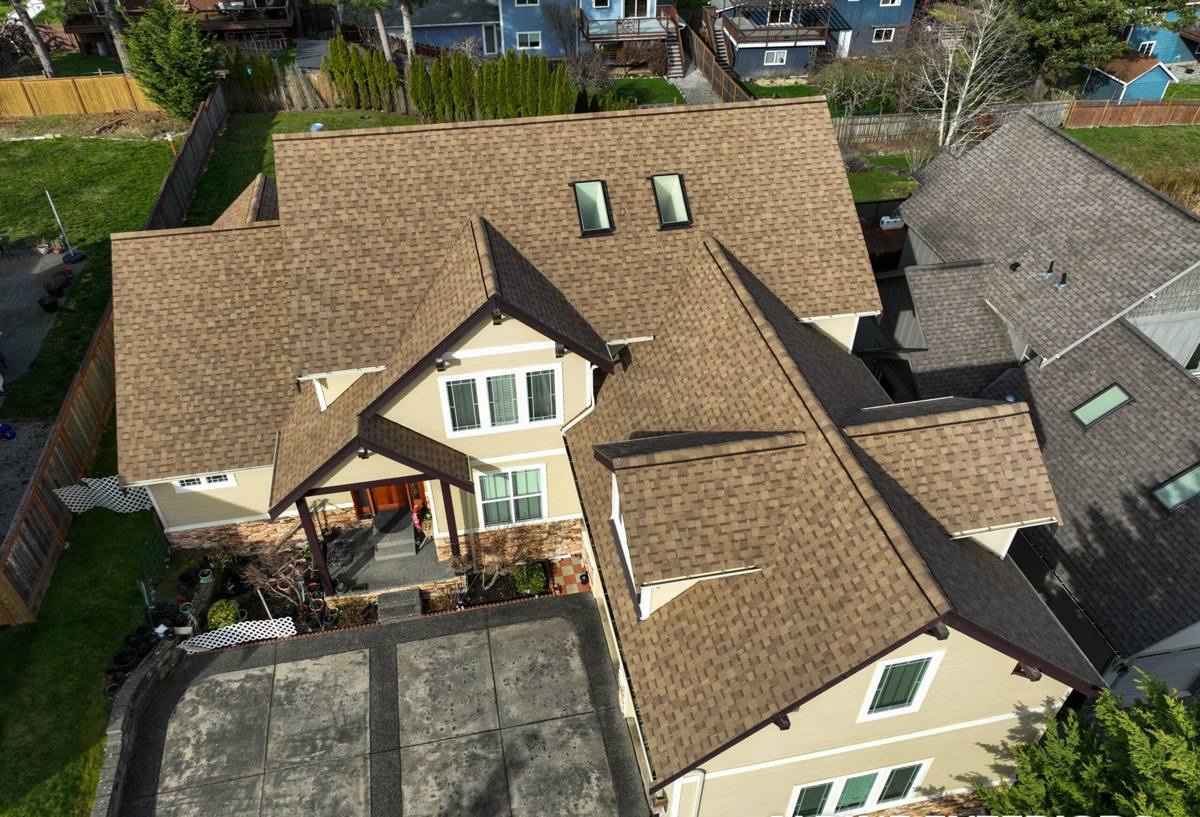
 New Roof Installation Built for Kenneth City, Florida
Kenneth City sits in the middle of Pinellas County, surrounded by the same weather that wears down roofs across the greater St. Petersburg area: long stretches of intense UV exposure, sudden downpours that turn into wind-driven rain, and salt-laden air drifting in from both the Gulf and Tampa Bay. None of that is unique to any one street or subdivision, but it is a constant, year-round load on every roof in this community. A new roof installation here isn't just about swapping old shingles for new ones — it's about putting a system on the house that's built to handle this specific climate for the next two to three decades.
We install roofs across Kenneth City and the surrounding St. Petersburg neighborhoods, and the difference between a roof that holds up and one that fails early almost always comes down to what's happening underneath the shingles, not just the shingles themselves.
What Kenneth City Homes Need From a New Roof
Most homes in this part of Pinellas County are single-story or low-profile, which is good for wind performance but means the roof takes the brunt of direct sun for most of the day with little shading from taller structures. Add in Florida's humidity and the occasional tropical system, and a roof here needs to manage four things well: heat, water intrusion, wind uplift, and corrosion from salt air. A roof designed for a drier, cooler climate — or installed without Florida-specific detailing — tends to show problems years before it should: curling shingles, soft decking around penetrations, rusted fasteners, and leaks at valleys and transitions.
Heat and UV
Florida sun breaks down asphalt shingles from the top and bakes moisture out of underlayment and decking from below. Attic ventilation and the right underlayment matter as much as the shingle brand.
Wind-Driven Rain
Storms here rarely come straight down. Rain gets pushed sideways under shingle edges, around vents, and into valleys, which is why sealed, layered flashing and a properly lapped underlayment system matter more than they would in a milder climate.
Salt Air
Even a few miles inland from the coast, metal components — nails, flashing, vent boots — corrode faster than they would elsewhere. Material choice and fastener quality affect how long the roof actually lasts, not just how it performs on day one.
What a Correct New Roof Installation Involves
A new roof is more than the visible layer. Skipping or rushing any of these steps is the most common reason a "new" roof leaks within a few years.
Full Tear-Off and Deck Inspection
We remove the existing roofing down to the deck rather than layering over it. That's the only way to find soft spots, rot, or delaminated plywood — problems that are invisible from the outside but will telegraph through a new roof if left in place. Any damaged decking gets replaced before anything new goes down.
Underlayment as a Secondary Water Barrier
Shingles are the first line of defense, but the underlayment is what actually keeps a home dry if wind drives rain under the shingle edges or a shingle is lost in a storm. We use underlayment systems suited to Florida's climate, with self-adhering membrane at vulnerable areas like valleys, eaves, and roof-to-wall transitions.
Flashing at Every Penetration
Chimneys, plumbing vents, skylights, and wall transitions are where the vast majority of roof leaks start — not the open field of shingles. Correct flashing means new metal or properly sealed boots at every penetration, not reused flashing tucked under new shingles.
Ventilation That Matches the Attic
Balanced intake and exhaust ventilation keeps attic temperatures and moisture in check, which protects the decking from underneath and helps the shingles themselves last closer to their rated lifespan instead of failing early from trapped heat.
Fastening to Florida Building Code
Nailing pattern, fastener count, and fastener placement are dictated by code and by the wind speed the roof needs to be rated for in this area. We follow the pattern the manufacturer and code require — not a faster shortcut pattern — because this is the detail that determines whether shingles stay attached in high wind.
Roofing Material Options for Kenneth City Homes
There's no single "best" roofing material — the right choice depends on budget, how long you plan to stay in the home, and how much long-term maintenance you want to take on. Here's how the common options compare for this climate:
| Material | Typical Lifespan | Heat/UV Performance | Wind Performance | Maintenance |
|---|---|---|---|---|
| Architectural asphalt shingle | 20–30 years | Good with proper ventilation | Strong when correctly nailed and rated | Low |
| Standing seam metal | 40–50+ years | Excellent; reflects heat | Excellent | Very low |
| Concrete or clay tile | 40–50+ years | Excellent thermal mass | Strong when properly fastened | Moderate (underlayment ages faster than tile) |
| 3-tab asphalt shingle | 15–20 years | Fair | Lower wind rating than architectural | Low |
Architectural shingles remain the most common choice in Kenneth City because they balance upfront cost, wind performance, and lifespan well. Metal and tile cost more initially but spread that cost over a much longer service life, which can make sense for homeowners planning to stay long-term.
Our New Roof Installation Process
- Inspection and estimate: We walk the roof, check the decking where accessible, and give you a written estimate that spells out material, scope, and price — no vague allowances.
- Permitting: We pull the required permit through Pinellas County or the applicable jurisdiction before work starts. This isn't optional, and it protects you if there's ever a warranty or insurance question later.
- Material staging: Materials are delivered and staged so the job can move efficiently once tear-off begins, minimizing the time your home is exposed.
- Tear-off and deck repair: Old roofing comes off, the deck is inspected, and any damaged sections are replaced.
- Underlayment, flashing, and shingle installation: Installed in the sequence and pattern required by code and manufacturer specification.
- Cleanup and magnetic nail sweep: The property is cleared of debris and swept for stray fasteners before we consider the job done.
- Final walkthrough and documentation: We review the finished roof with you and provide the paperwork needed for warranty registration and insurance.
Permits, Wind Ratings, and Insurance
Pinellas County requires a permit and inspection for a full roof replacement, and the installation has to meet the wind and fastening requirements set by Florida Building Code for this region. Beyond the legal requirement, proper permitting matters for two practical reasons: it creates a record that the roof was installed to code, and it's typically required to support a wind mitigation inspection, which can affect your homeowners insurance premium. A correctly documented new roof is also what most manufacturers require to honor a workmanship or material warranty.
Signs a Kenneth City Roof Needs Replacement, Not Repair
- Granules collecting in gutters or at downspouts in noticeable amounts
- Shingles that are curling, cupping, or cracking across large areas rather than a single spot
- Soft or spongy decking felt when walking the roof
- Daylight visible through the attic roof boards
- Repeated leaks in different locations after multiple patch repairs
- A roof approaching or past 20 years old with visible wear
- Missing or lifted shingles after a storm, especially in clusters
If a roof is showing one or two of these on an otherwise sound roof, repair may still make sense. Multiple items on this list, especially deck softness or widespread granule loss, usually point to replacement being the more cost-effective option over patch after patch.
What Affects the Cost of a New Roof
Every roof is priced individually after inspection, but the main variables are consistent:
| Factor | Why It Matters |
|---|---|
| Roof size and pitch | More surface area and steeper pitches increase material and labor time |
| Material choice | Asphalt, metal, and tile carry very different material and labor costs |
| Deck condition | Rotted or delaminated plywood found during tear-off adds repair cost |
| Number of penetrations | Chimneys, skylights, and multiple vents each require additional flashing work |
| Layers to remove | Removing multiple existing layers takes more labor than a single-layer tear-off |
| Ventilation upgrades | Adding or correcting ventilation adds modest cost but extends roof life |
Why Local Experience in Kenneth City Matters
A roof installed by a crew that works this specific part of Pinellas County regularly understands the local permitting process, the wind requirements that apply here, and the way this climate actually treats a roof over time — not just how it looks on installation day. That familiarity shows up in the details: correct flashing at the transitions this area's home styles commonly have, underlayment choices suited to our humidity and storm pattern, and fastening that accounts for the wind exposure typical of this part of the county. It also means a contractor who's answerable locally if a warranty question comes up years down the road, rather than a crew passing through from out of the area.
If your roof in Kenneth City is aging, showing damage, or you just want an honest opinion on whether repair or replacement makes more sense, we're glad to take a look. Request a free, no-pressure estimate using the form below and we'll walk you through exactly what your roof needs.