 St. Petersburg Roofing
 Why Decks in Kenneth City Wear Out Faster Than the National Average
Kenneth City sits in the middle of Pinellas County, close enough to Tampa Bay and the Gulf that homes here deal with the same punishing mix of conditions as the rest of the St. Petersburg area — even without direct waterfront exposure. Salt-laden air drifts inland on sea breezes and settles on fasteners, hinges, and any exposed metal hardware under your deck boards. Add in near-daily summer thunderstorms with wind-driven rain, months of intense UV exposure, and the occasional hurricane-force wind event, and you have a climate that is genuinely hard on outdoor wood and composite structures.
A deck built or repaired without that reality in mind will show problems years before it should: cupped boards, rusted-through fasteners, soft spots near the house, and railings that flex more than they used to. None of that means the deck was built badly — it usually means normal materials and normal maintenance schedules from cooler, drier climates just don't hold up the same way here.
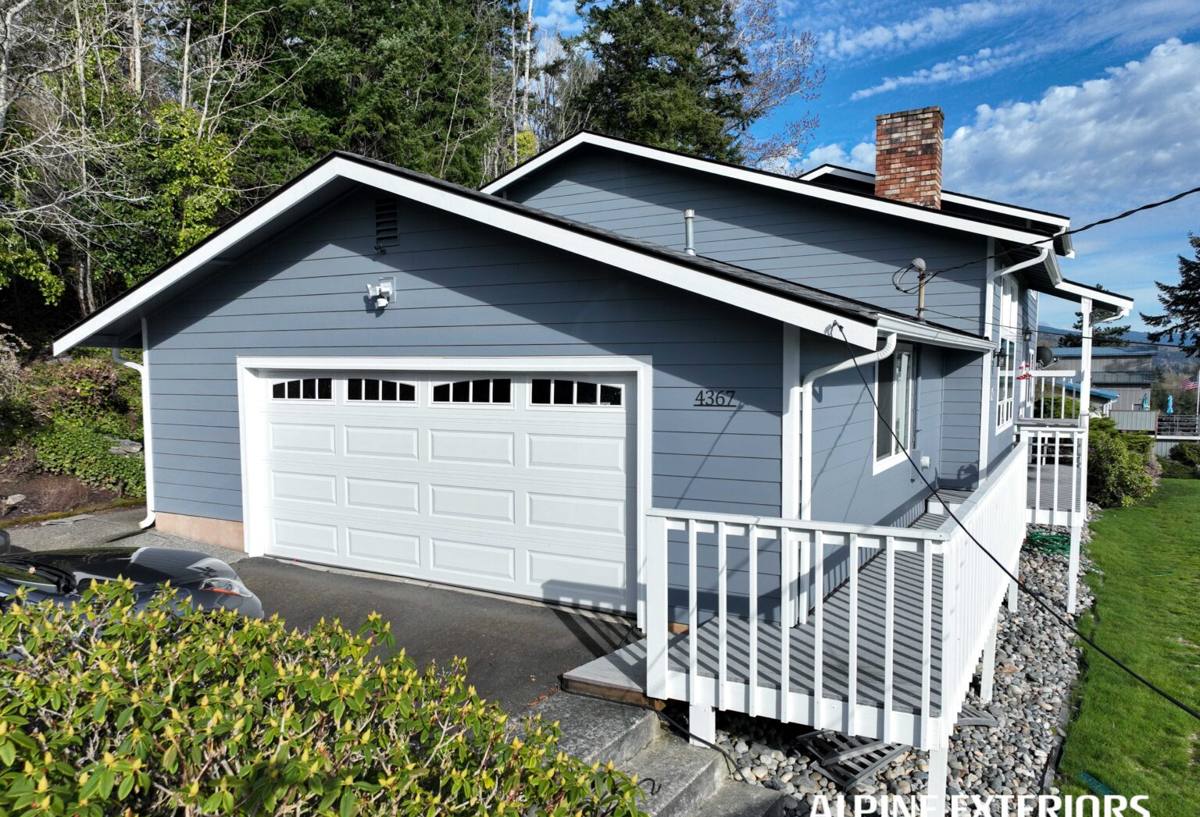
Signs Your Deck Needs Repair, Not Just a Cleaning
A pressure wash and a coat of sealant fixes a deck that looks tired. It does nothing for a deck that's actually failing structurally. Knowing the difference matters, because covering up a structural problem with cosmetic work is how minor issues turn into safety hazards.
Cosmetic wear (cleaning/refinishing can fix it)
- Faded or graying wood surface from UV exposure
- Light mildew or algae staining, especially on shaded sections
- Peeling or flaking old stain/sealant with sound wood underneath
- Minor surface splintering on an otherwise solid board
Structural problems (repair is required, not optional)
- Boards that flex, bounce, or feel spongy underfoot
- Visible gaps or separation where the deck meets the house (the ledger board)
- Rust streaks bleeding from screws or bolts, or fasteners that spin freely without holding
- Wobbly, leaning, or loose railings and posts
- Any wood that's soft, dark, or crumbles when probed with a screwdriver — signs of active rot
- Visible gaps between joists and beams, or sagging in the deck frame
If you're seeing anything from that second list, that's a repair issue, and depending on how far it's progressed, potentially a safety issue. Decks fail at connection points — the ledger board, joist hangers, and post bases — far more often than they fail because a whole board rotted through.
How Local Climate Attacks Each Part of a Deck
Every failure point on a deck in this area traces back to one of four stressors: moisture, UV, salt air, or wind load. Understanding which one is doing the damage changes how we repair it.
| Deck Component | Main Threat Locally | Typical Failure Mode |
|---|---|---|
| Ledger board (attaches deck to house) | Trapped moisture from wind-driven rain | Hidden rot behind flashing, weak connection to house |
| Fasteners & hardware | Salt air + humidity | Corrosion, rust streaking, loss of holding strength |
| Deck boards (surface) | Intense year-round UV | Graying, cracking, splintering, cupping |
| Joists & framing | Standing moisture, poor ventilation underneath | Rot, insect damage, sagging |
| Railings & posts | Wind load over repeated storm cycles | Loosened post bases, wobble, cracked balusters |
| Footings | Soil movement from heavy rain saturation | Settling, uneven deck surface |
Most of the deck repairs we get called out for in this part of Pinellas County trace back to one of these six issues, often more than one at once. A deck that's had a wet ledger board for a couple of seasons, for example, usually also shows corroded fasteners nearby, because the same moisture that rots wood accelerates rust.
What a Correct Deck Repair Actually Involves
A quality repair isn't just swapping the board or bracket that looks worst. It starts with figuring out why that piece failed in the first place, because replacing a rotted board without addressing the moisture source just buys you another few years before the same spot fails again.
Structural assessment first
We check the ledger board connection, joist hangers, post bases, and footings before touching surface boards. This is the part of a deck that actually carries load — cosmetic boards are the least of your worries if the frame underneath is compromised.
Matching or upgrading hardware
In a salt-air environment, standard zinc-coated screws and brackets corrode faster than they should. Where budget allows, we favor stainless steel or heavy hot-dip galvanized hardware rated for coastal use, particularly at the ledger connection and any structural joist hangers — those are the worst places to have a fastener quietly lose its grip.
Addressing the moisture source, not just the symptom
If a ledger board rotted because flashing was missing or failed, we correct the flashing detail as part of the repair. If joists are rotting from poor under-deck ventilation or drainage, we address that too. Patching a symptom without fixing the cause is the most common shortcut in this trade, and it's the one that costs homeowners the most in repeat repairs.
Board-by-board vs. section replacement
Individual damaged boards can often be replaced in place if the framing underneath is sound. When damage is concentrated in one area — near a hot tub, a downspout, or a low corner that holds water — it's often more cost-effective to replace that whole section rather than patch piece by piece.
Our Deck Repair Process
- On-site inspection. We check the frame, ledger connection, fasteners, and surface boards, and probe any suspect wood for rot before quoting anything.
- Written scope and estimate. You get a clear breakdown of what's structural versus cosmetic, and what each part costs, before any work starts.
- Demo of failed material only. We remove what actually needs replacing — sound wood and hardware stay in place.
- Structural repair. Ledger, joist, post, and footing issues are corrected first, with corrosion-resistant hardware where it matters most.
- Board and railing replacement. New boards and railing components are installed and fastened to match the rest of the structure.
- Finish and protect. Depending on material, that means sealing, staining, or simply cleaning composite surfaces so the repair blends in rather than standing out as an obvious patch.
- Final walkthrough. We check for level, secure railings, and no soft spots anywhere on the deck before calling it done.
Deck Material Comparison for This Climate
What your deck is built from changes both how it fails and how it should be repaired. This isn't about which material is "best" in the abstract — it's about trade-offs given Pinellas County's sun, humidity, and salt air.
| Material | How It Holds Up Locally | Repair Considerations |
|---|---|---|
| Pressure-treated pine | Affordable, but prone to cupping, cracking, and graying under heavy UV; needs regular sealing | Boards are easy to source and replace individually; framing lasts longer than surface boards |
| Cedar / hardwood | More naturally rot-resistant but still needs UV protection and periodic refinishing | Matching weathered color on patch repairs can be harder than with treated pine |
| Composite decking | Resists rot and UV fading better than wood, but can still fade or stain over years in full sun | Repairs usually mean full board replacement, not patching; hidden framing underneath is still wood and still needs inspection |
| Fasteners/hardware (any deck) | Standard coated steel corrodes faster in salt air | Upgrading to stainless or coastal-rated hardware during repair reduces repeat failures |
We don't push one material as universally better — each has a real maintenance trade-off, and the right call depends on your budget, how much upkeep you're willing to do, and how the deck is used.
Deck Repair Maintenance Checklist
Between repairs, a few habits go a long way toward stretching the life of a deck in this climate:
- Rinse salt residue and debris off the surface every few weeks, more often after storms
- Check fasteners and railings for looseness or rust staining twice a year
- Reseal or restain wood decking on a regular schedule — UV exposure here breaks down finishes faster than in milder climates
- Keep gutters and downspouts clear so runoff isn't dumping directly onto or under the deck
- Make sure under-deck areas have airflow and aren't trapping standing water after heavy rain
- Address small issues — a loose board, a rust spot — before the next storm season rather than after
Permits, Code, and What That Means for Repairs
Structural deck work — anything touching the ledger connection, framing, footings, or railings — typically falls under local building code requirements in Pinellas County, even for repairs on an existing deck. Purely cosmetic work, like resurfacing boards without touching the frame, usually doesn't trigger the same requirements, but the line isn't always obvious from the outside. Part of a proper repair includes knowing which category your project falls into and handling permitting correctly when it applies, so you're not left with an unpermitted repair that becomes a problem at resale or insurance renewal.
What Repairs Typically Cost, and Why
Deck repair pricing varies with the scope of the damage and the material involved, not just square footage. A few boards with sound framing underneath is a modest repair. Ledger board or joist rot usually costs more, because it involves opening up the structure and sometimes flashing or waterproofing work at the house connection. Full railing replacement falls somewhere in between, depending on length and material. Rather than quote a number without seeing the deck, we walk every job and give a written estimate broken out by what's actually being repaired, so you know what you're paying for and why.
Why It Matters to Hire a Crew That Already Works This Area
Deck repair isn't unique to St. Petersburg — but the pace at which decks here need it is different from a lot of the country. A crew that regularly works Kenneth City and the surrounding Pinellas County area has already seen how quickly standard hardware corrodes in this air, how fast UV breaks down an unsealed finish, and which framing details tend to trap moisture after our typical summer storm pattern. That's not something you learn from a manual — it's something you learn from repairing enough local decks to recognize the pattern before it becomes a bigger problem. It also means we're not guessing at local permitting requirements or treating this as an out-of-town job squeezed into a route.
If your deck has a soft spot, a wobbly railing, or just hasn't been looked at in a few years, we're happy to take a look and give you an honest, no-pressure estimate — no obligation, just a clear picture of what's going on and what it would take to fix it. Use the form below to get started.