 St. Petersburg Roofing
 Building a Deck That Actually Belongs in Kenneth City
Kenneth City sits tucked into central Pinellas County, close enough to Boca Ciega Bay and Tampa Bay that salt-laden air reaches every yard in town, even blocks from open water. Add in the Gulf Coast's relentless UV load, summer wind-driven downpours, and the real chance of hurricane-force gusts, and you've got a climate that is genuinely hard on outdoor structures. A deck built here isn't the same project as a deck built in Ohio or the Carolinas — the materials, fasteners, and framing details all have to account for conditions that will test the structure every single season, not just during a storm.
We build custom decks for homeowners throughout the St. Petersburg area, and Kenneth City's mix of established single-family lots and mid-century homes gives us a good feel for what works on this side of Pinellas County. This page covers what a correctly built deck for this climate actually involves, and what our process looks like from first conversation to final walkthrough.
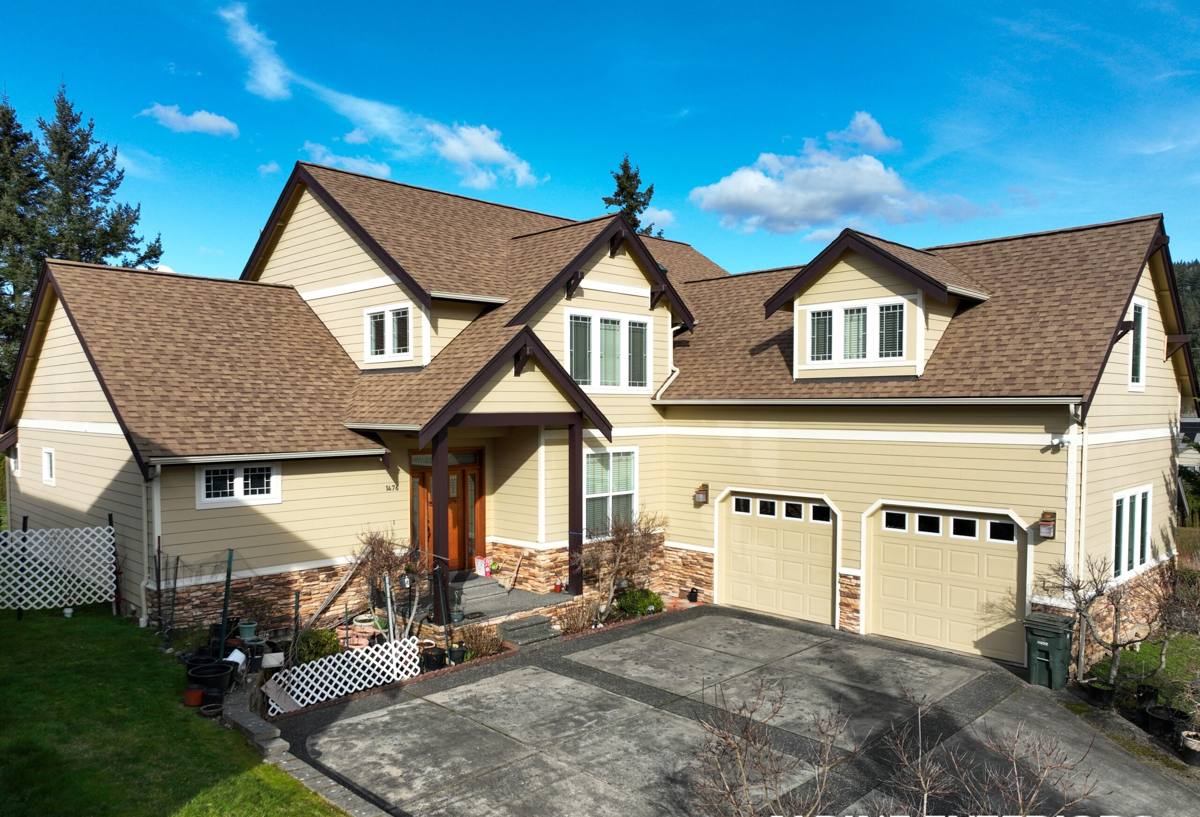
What Kenneth City's Climate Does to an Outdoor Deck
Salt Air and Corrosion
Even without waterfront exposure, Pinellas County's peninsula geography means salt-bearing humidity moves inland on a regular basis. Over time, that air attacks anything metal that isn't rated for it. Standard interior-grade screws and joist hangers will rust, streak the decking, and eventually lose holding strength — often years before the wood or composite boards around them show any wear. This is one of the most common corners cut on budget deck jobs, and it's invisible until a board comes loose.
UV Exposure
Central Florida sun is intense and consistent nearly year-round. Untreated or poorly finished wood grays and checks (splits along the grain) faster here than in most of the country. Composite decking fades unevenly if it's a lower-grade cap or an inconsistent batch, and dark colors get hot enough to be genuinely uncomfortable underfoot in summer. Material color and finish aren't just aesthetic choices in this market — they affect how the deck ages and how usable it is on a July afternoon.
Wind-Driven Rain and Moisture
Florida rain doesn't just fall straight down — summer storms push it sideways, and that means water gets into gaps, ledger connections, and fastener holes that would stay dry in a calmer climate. Any point where the deck attaches to the house, or where a board isn't fully sealed at a cut end, is a moisture entry point that can lead to rot in wood framing or substrate damage behind ledger boards.
Wind Load
Pinellas County sits in a high-wind design zone under the Florida Building Code, and St. Petersburg's local amendments reflect that. A deck isn't just furniture sitting in the yard — it's a structure that has to resist uplift and lateral load in a storm. Railings, guardrail posts, and the ledger connection to the house are the parts most likely to fail if they were undersized or under-fastened to begin with.
Materials: What We Recommend and Why
There's no single "best" decking material — the right choice depends on budget, how much upkeep you want to do, and how the deck will be used. Here's how the common options actually perform in this climate:
| Material | Upfront Cost | Maintenance | How It Handles This Climate |
|---|---|---|---|
| Pressure-treated pine | Lowest | Re-seal every 1-2 years | Affordable and strong, but needs consistent sealing or it grays, checks, and can cup under UV and humidity swings |
| Composite (capped) | Mid to high | Occasional wash, no sealing | Handles salt air and UV well when it's a quality capped product; avoid uncapped or budget composite, which can fade unevenly and absorb moisture at cut edges |
| Tropical hardwood (e.g., ipe) | High | Periodic oiling to maintain color | Naturally dense and rot-resistant, ages to gray gracefully even without oiling, but costs more and requires hardware rated for its density |
| PVC decking | High | Very low | Fully resists moisture and salt corrosion since there's no wood fiber to absorb it; can run hotter underfoot in dark colors |
Whatever decking surface you choose, we're picky about the substructure. That's the part nobody sees after the deck is finished, and it's the part that determines whether the deck is still solid in ten years.
What a Correctly Built Deck Involves Here
Fasteners and Hardware
We use stainless steel or coated fasteners and joist hangers rated for coastal exposure — not the standard galvanized hardware that's fine in drier inland climates but corrodes faster here. This is one of those decisions that costs a little more upfront and saves a full hardware failure down the road.
Ledger Attachment and Flashing
Where the deck ties into the house is the single most important connection on the whole structure, both structurally and for moisture control. It needs to be properly bolted (not just nailed), flashed to shed water away from the house's wall assembly, and sized to carry the load the code requires. A poorly flashed ledger is one of the most common sources of hidden rot behind decks in humid climates.
Footings and Framing
Footing depth and post spacing need to match Pinellas County soil conditions and the Florida Building Code's wind and load requirements for this zone. We don't shortcut post spacing to save a few footings — it's the difference between a deck that flexes and one that doesn't.
Railings and Guardrails
Any deck with a walking surface more than 30 inches above grade needs code-compliant guardrails, and those railings take direct wind load in a storm. Post attachment matters as much as the railing material itself.
Drainage Underneath
Florida's heavy summer rain means water needs somewhere to go. We grade and plan under-deck drainage so water doesn't pool against footings or sit under the structure, which is a common source of long-term moisture problems in yards that don't drain well naturally.
Permitting in St. Petersburg and Pinellas County
Most custom deck construction requires a building permit, and elevated decks with railings almost always do. Permitting confirms the footing depth, post spacing, ledger attachment, and railing height meet the Florida Building Code's requirements for this wind zone — it's not just paperwork, it's a second set of eyes on the structural decisions that keep the deck safe in a storm. We handle the permitting process as part of the job so homeowners aren't navigating it on their own.
Our Process
- On-site consultation. We walk the property, talk through how you'll use the deck, and take measurements and site conditions into account — slope, existing structures, sun exposure, and access.
- Design and material selection. We go over the material options above against your budget and maintenance preferences, and design the layout, railing style, and any features like built-in seating or multi-level sections.
- Permitting. We prepare and submit the permit package to the appropriate jurisdiction and schedule required inspections.
- Construction. Footings, framing, ledger attachment, decking, and railings — built in that order, with our own quality checks at each stage before moving to the next.
- Final walkthrough. We inspect the finished deck with you, cover basic care for whatever material you chose, and make sure everything is squared away before we call it done.
Maintenance: What to Actually Expect
Every deck material needs some upkeep in this climate — the question is how much and how often.
- Pressure-treated wood: re-seal or stain every 1-2 years to prevent UV graying and moisture absorption
- Composite: wash a couple times a year to keep salt residue and pollen from building up; no sealing needed
- Hardwood: periodic oiling if you want to preserve the original color, or let it weather naturally to gray
- All materials: check fastener heads and railing connections annually, especially after hurricane season
- All materials: keep gutters and downspouts near the deck clear so runoff isn't dumping extra water onto the structure
Cost Factors to Plan Around
Deck pricing depends on size, material, height off grade, and railing complexity more than anything else. As a general guide: pressure-treated decks tend to be the most budget-friendly starting point, composite runs higher for the material itself but lower over time in maintenance, and hardwood or PVC sit at the higher end of the range. Multi-level decks, built-in benches, and stairs all add cost beyond the base square footage. We give you a firm, itemized quote before any work starts — no surprise change orders once the job is underway.
Why a Crew That Works Kenneth City Specifically Matters
A deck contractor who works this part of Pinellas County regularly already knows which fasteners hold up, how the local permitting process runs, and what wind and moisture details actually matter here versus what's boilerplate advice from a national how-to guide. That familiarity shows up in fewer surprises during the build and a structure that's specified correctly the first time, rather than one that needs hardware or flashing fixes a few seasons in.
If you're planning a new deck or replacing one that's showing its age, we'd be glad to take a look and talk through what makes sense for your home and budget. The form below gets you a free, no-pressure estimate — no obligation, just a straight answer on what the job would involve.