 St. Petersburg Roofing
 Board & Batten Siding in Kenneth City: Built for This Exact Climate
Kenneth City is a small, established residential community tucked inside Pinellas County, surrounded by St. Petersburg and just a few miles from the open water on both sides of the peninsula. That location is part of what makes the neighborhood attractive, and it's also exactly why siding here fails faster than the same product would in a landlocked town. Homes in Kenneth City deal with intense, near-constant UV exposure, wind-driven rain that gets pushed sideways under eaves and around corners, salt-laden air moving in off the bay and gulf, and the real possibility of hurricane-force wind loads during storm season. Board and batten siding — with its bold vertical lines and deep shadow reveals — is a striking look for the ranch-style and mid-century homes common in this part of Pinellas County, but only if it's built from a material that can actually stand up to what this climate does to a house every single year.
This page is about one service, in one place: board and batten siding installation for homes in Kenneth City. Not a general overview of siding options, not a citywide St. Petersburg pitch — just what this specific style needs to perform here, what a correct installation actually involves, and why a crew that already works this neighborhood gets better, longer-lasting results than one parachuting in from outside the county.
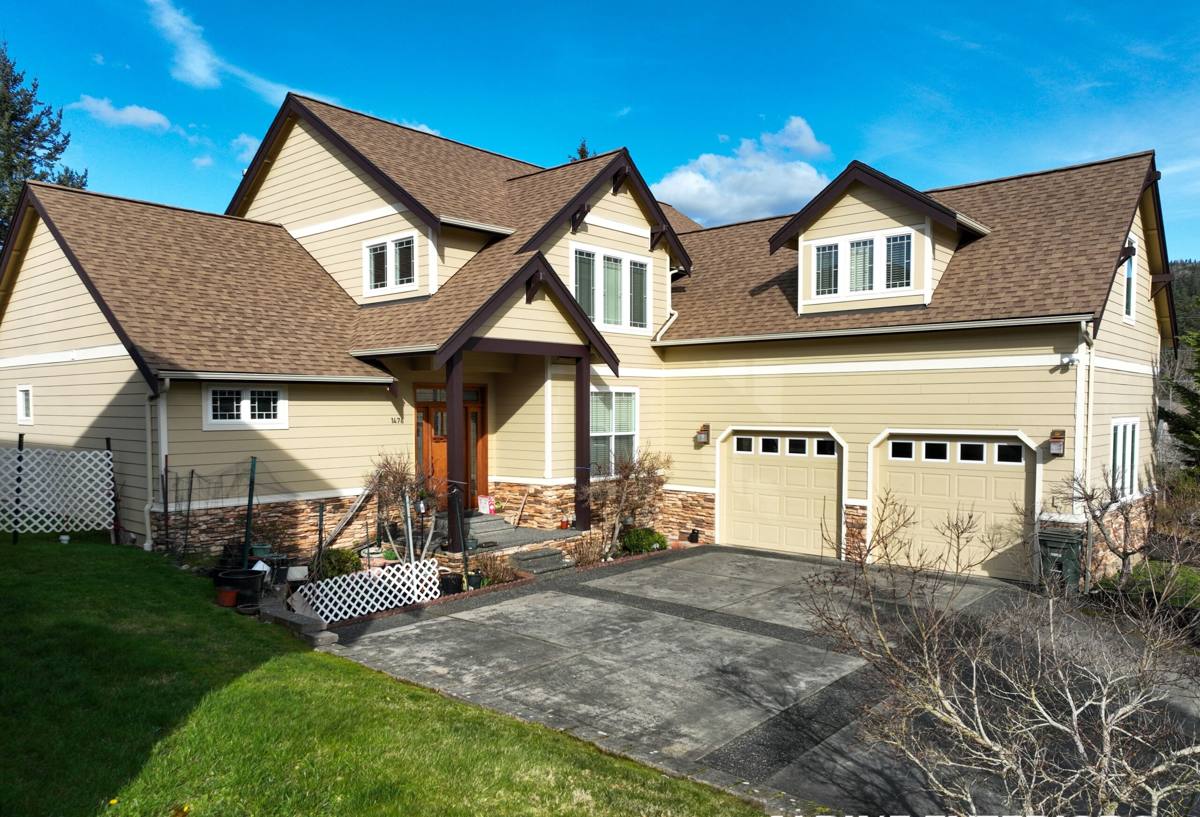
What Board & Batten Siding Actually Is
Board and batten is a siding pattern, not a single product. It's built from wide vertical panels installed edge to edge, with narrower strips (the "battens") fastened over each seam. The result is a rhythmic, vertical shadow line that reads as more architectural and less "production home" than standard horizontal lap siding. It's historically a wood siding style, and that history is part of the problem for coastal Florida — traditional wood board and batten needs constant repainting, is a magnet for moisture at the seams, and gives termites and rot a long run of exposed end grain to work with.
Why the Pattern Matters More Than the Material — Until It Doesn't
The visual appeal of board and batten comes entirely from crisp, straight lines and consistent shadow depth at every seam. That look only holds up over time if the underlying material doesn't warp, cup, or swell — because once one board twists even slightly, the whole wall reads as uneven. In a climate that cycles between soaking rain, intense sun, and salt exposure almost daily, material stability isn't a cosmetic detail. It's the difference between a wall that still looks sharp in year ten and one that looks tired by year three.
Why We Install This in One Material Only: James Hardie Fiber Cement
We install James Hardie fiber cement exclusively for board and batten siding in Kenneth City. We don't install vinyl board and batten panels, LP SmartSide, Cemplank, Allura, or primed wood for this application, and we want homeowners to understand why rather than just take our word for it.
Vinyl Board and Batten
Vinyl board and batten panels are inexpensive and install quickly, and for a low-wind, low-UV climate that might be a reasonable trade-off. In Pinellas County it isn't. Vinyl softens and can distort in sustained high heat, becomes brittle with age under constant UV, and is rated for wind speeds that get tested for real during hurricane season. It also can't hold the crisp, deep-shadow reveal that makes board and batten worth doing in the first place — the panels are thin and flex at the edges.
LP SmartSide and Other Engineered Wood Products
LP SmartSide is a legitimate product with real strengths, including impact resistance and workability. Its core is still wood-strand based, meaning long-term performance depends heavily on sealed edges and cut ends staying properly protected — a bigger ask in a climate with this much wind-driven rain and humidity. We'd rather not gamble a homeowner's siding investment on flawless field-sealing of every cut edge over a 20-30 year span.
Traditional Wood
Real wood board and batten looks great on day one. It also needs repainting on a cycle far more aggressive than most homeowners want to commit to, and it's the most vulnerable of all these options to the rot and insect pressure that comes with year-round humidity and salt air.
Why James Hardie
James Hardie fiber cement is cement, sand, and cellulose fiber — non-combustible, dimensionally stable, and resistant to the swelling and warping that plagues wood-based products. Hardie's HZ5 product formulation is engineered specifically for high-humidity, storm-exposed climates like ours, and the factory-applied ColorPlus finish is baked on and warrantied against fading in a way field-applied paint never can be. It also carries a strong, transferable manufacturer warranty when installed to spec — worth something concrete if the home ever sells.
What a Correct Board & Batten Installation Involves
Board and batten is less forgiving of shortcuts than standard lap siding, because every seam is a potential water path running vertically down the wall instead of shedding water like an overlapping horizontal course does.
Water Management Comes First
Before any panel goes up, the wall needs a properly lapped weather-resistant barrier, correctly integrated window and door flashing, and attention to every penetration — hose bibs, vents, light fixtures. Board and batten depends on the wall assembly behind it to do the water-shedding work, since the battens themselves are decorative trim over the seam, not a waterproof seal.
Fastening for Wind, Not Just Nailing It Up
James Hardie publishes specific fastener types, spacing, and embedment requirements, and those requirements get more conservative in higher wind zones — which includes Pinellas County. Correct fastening is what keeps panels attached during the kind of straight-line and hurricane-force gusts this area sees, and it's also what the manufacturer's warranty is contingent on. Skipping the published fastening schedule to save labor time voids the very warranty that's part of the reason to choose Hardie in the first place.
Clearance at Grade and Hard Surfaces
Board and batten's vertical boards run the full wall height, which means the bottom edge is closer to grade, patios, and mulch beds than a lot of homeowners realize. Manufacturer-specified clearance from grade, roofing, and hardscape has to be maintained, or the bottom of the panel sits in a moisture trap regardless of what material it's made from.
Expansion Gaps and Sealant
Fiber cement moves slightly with temperature and moisture, far less than wood but not zero. Panel butt joints and trim intersections need the manufacturer's specified gap and a paintable, flexible sealant rated for exterior use — not caulk grabbed off a shelf because it was there.
Board & Batten Material Comparison for Kenneth City Conditions
| Factor | James Hardie Fiber Cement | Vinyl | Wood / LP SmartSide |
|---|---|---|---|
| Wind performance | Engineered and tested for high wind zones | Can deform or detach in sustained high winds | Adequate if properly fastened; wood fatigues over time |
| Salt air / humidity | Non-organic, resists rot | Doesn't rot but can discolor and become brittle | Vulnerable to rot and insect damage without diligent upkeep |
| UV / fade resistance | Factory ColorPlus finish, warrantied | Fades and chalks with age | Repainting needed on a regular cycle |
| Fire rating | Non-combustible | Combustible | Combustible |
| Long-term maintenance | Low, occasional wash and caulk check | Low but cosmetic decline is common | Higher — paint, seal, and inspect cut ends regularly |
How Our Process Works
We walk the exterior with the homeowner first, checking the condition of the existing wall assembly, sheathing, and any moisture damage hiding behind the current siding — something that's common on older Kenneth City homes that have never had the siding fully removed for inspection. From there:
- Remove existing siding and inspect sheathing for hidden rot or moisture damage
- Repair or replace any compromised sheathing before anything new goes up
- Install a code-compliant weather-resistant barrier with properly lapped and taped seams
- Flash all windows, doors, and penetrations before panel installation begins
- Install James Hardie panels and battens per manufacturer fastening schedule for our wind zone
- Caulk, prime touch-ups, and final inspection with the homeowner walking the job
Signs a Kenneth City Home Needs New Siding
- Visible warping, cupping, or separation at board seams
- Soft spots when pressed, especially near the bottom courses or around windows
- Paint that's peeling or bubbling rather than just fading
- Water stains or damp drywall on interior walls that back up to exterior siding
- Visible gaps at trim and corner boards that weren't there originally
- Siding that took a direct hit from storm debris or wind-blown material
Why a Local Crew Matters for This Job
Board and batten installed to spec in a low-wind, dry climate and the same panels installed to spec in Pinellas County are not the same job, even though the material is identical. A crew that regularly works Kenneth City and the surrounding St. Petersburg area already knows the wind zone requirements that apply here, has already dealt with the older sheathing and framing conditions common in this vintage of home, and isn't learning local permitting requirements on the homeowner's dime. That familiarity shows up in details — fastener schedules that match our actual wind exposure, flashing details that account for the amount of wind-driven rain this area gets, and a crew that isn't guessing at what "good enough" looks like for a house that has to survive a Gulf Coast hurricane season every year.
Maintenance in a Salt Air Climate
James Hardie board and batten is genuinely low-maintenance compared to the alternatives, but "low-maintenance" isn't "no-maintenance" this close to the water. A periodic rinse to clear salt residue and airborne grime, a visual check of caulked joints once a year, and prompt attention to any impact damage from storm debris are really all it takes. Skipping the annual look is how small, cheap-to-fix issues turn into bigger repairs after the next storm season.
If your Kenneth City home needs new siding, or you're planning ahead of the next storm season, we're happy to take a look and give you a straightforward, no-pressure estimate. Fill out the form below and we'll set up a time to walk the exterior with you.