 St. Petersburg Roofing
 Metal Roofing for Kenneth City Homes
Kenneth City sits in the middle of Pinellas County, surrounded by St. Petersburg, and that location comes with a specific set of roofing demands. Homes here take the same wind-driven rain and hurricane-season gusts as the rest of the barrier islands and coastal neighborhoods, plus the same relentless Florida sun beating down nearly year-round. A roof in this area isn't just covering the house — it's the first line of defense against water intrusion, uplift, and slow material breakdown from UV and salt exposure. Metal roofing, installed correctly, handles all of that better than most alternatives, which is why we see steady demand for it across Kenneth City and the surrounding St. Petersburg neighborhoods.
This page covers what a correct metal roof installation actually involves here, what local conditions demand from the materials and the crew, and how our process works from first call to final inspection.
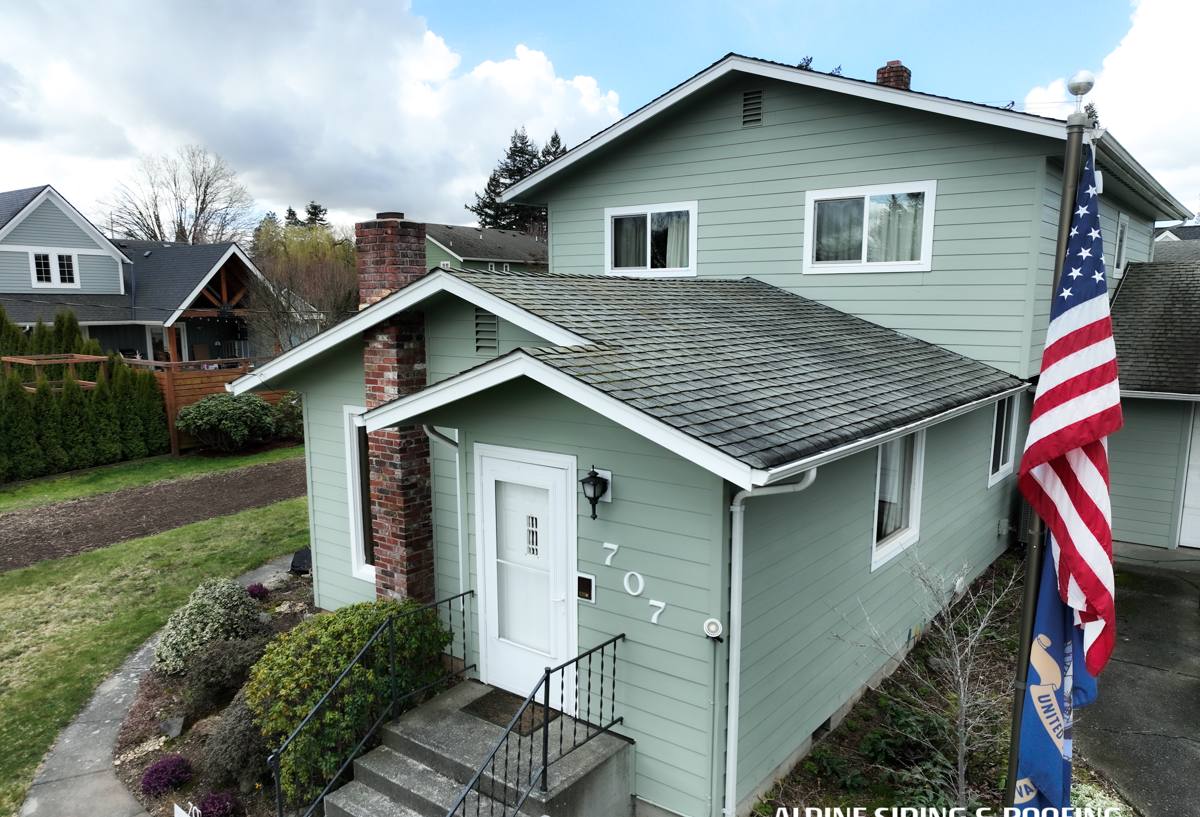
Why Kenneth City's Climate Changes the Job
Pinellas County isn't a place where you can install a roof the same way you'd install one in a drier, cooler climate and expect the same lifespan. A few conditions specific to this area drive how we spec and install metal roofing:
- Hurricane-force wind exposure: Kenneth City is close enough to the coast that wind uplift during tropical systems is a real design load, not a theoretical one. Fastening pattern, panel type, and edge detailing all have to account for it.
- Intense, nearly year-round UV: Florida sun degrades organic roofing materials faster than almost anywhere else in the country. Metal handles UV far better than asphalt, but the paint system and finish quality still matter for long-term color retention and coating integrity.
- Wind-driven rain: Storms here don't just drop rain — they push it sideways, up under laps and around fasteners. Flashing and underlayment details have to assume water will be tested from angles a calm-weather roof never sees.
- Salt air: Even set back from the immediate coastline, homes throughout the St. Petersburg area sit within reach of salt-laden air off Tampa Bay and the Gulf. Salt accelerates corrosion on fasteners, flashing, and any exposed metal that isn't rated for it.
None of this means metal roofing is a bad fit for Kenneth City — it's actually one of the better-suited materials for this exact combination of stresses. But it does mean the details of the installation matter more here than they would in a milder climate.
What a Correct Metal Roof Installation Involves
Deck and Substrate Condition
Metal roofing is only as good as what's underneath it. Before any panels go down, we check the roof deck for soft spots, rot, or delamination — issues that are common on older Pinellas County homes where humidity has had decades to work into the plywood or roof boards. Any compromised decking gets replaced before installation continues. Skipping this step is one of the most common shortcuts in the industry, and it's the reason some metal roofs fail early despite the panels themselves being fine.
Underlayment
A high-temperature, self-adhering underlayment is standard practice under metal roofing in this climate, particularly given how much heat these roofs absorb under direct Florida sun. This layer is also the roof's backup water barrier if wind-driven rain ever works past the panels themselves during a storm.
Fastening and Wind Rating
This is where hurricane exposure really shows up in the spec. Fastener spacing, panel clip systems (for standing seam), and edge/perimeter reinforcement all need to match the wind loads this area can see. We follow Florida Building Code wind requirements for Pinellas County rather than treating fastening as a one-size-fits-all detail.
Flashing and Penetrations
Valleys, chimneys, vents, skylights, and wall transitions are where the vast majority of roof leaks actually start — not in the open field of the roof. Correct flashing here means properly lapped, sealed, and mechanically fastened metal at every one of these points, not caulk doing the job flashing should be doing.
Fastener and Trim Material
Given the salt air throughout the St. Petersburg area, we use corrosion-resistant fasteners and coordinating trim rated for coastal exposure. Mismatched or under-rated hardware is a common source of early rust streaking and fastener failure on metal roofs installed without this in mind.
Panel Types We Install
| Panel Type | Best For | Trade-Offs |
|---|---|---|
| Standing seam | Homeowners wanting the cleanest look and highest wind performance, concealed fasteners | Higher upfront cost; installation is more labor-intensive and sensitive to workmanship |
| Exposed-fastener panels (e.g., ribbed/corrugated) | Budget-conscious projects, outbuildings, or homes wanting a classic metal look | Exposed fasteners require periodic inspection and eventual re-torquing or replacement as gaskets age |
| Stone-coated steel | Homeowners who want the profile of shingle or tile with metal's durability | Heavier system; installation detailing differs from standard metal panels |
We'll walk through which option fits your home's roof pitch, budget, and aesthetic goals during the estimate — there isn't one "correct" panel type for every house in Kenneth City, but there is usually a clear best fit once we know the specifics.
Cost Factors Specific to This Area
| Factor | Why It Matters Here |
|---|---|
| Roof complexity (valleys, dormers, penetrations) | More flashing detail work, more labor, more potential leak points to get right |
| Deck condition | Older Pinellas County homes more frequently need deck repair before install |
| Wind-rating requirements | Fastening density and clip systems for hurricane-zone compliance add material and labor |
| Coastal-grade hardware and coatings | Corrosion-resistant fasteners and finishes cost more than standard-grade but last significantly longer near the coast |
| Panel type selected | Standing seam runs higher than exposed-fastener systems due to labor and material |
We don't quote broad ballpark numbers without seeing the roof — pitch, square footage, tear-off needs, and deck condition all move the price. What we can tell you honestly upfront is that cutting corners on fastening, flashing, or hardware grade to hit a lower number is exactly how metal roofs in this climate end up with early problems.
Our Process on a Kenneth City Metal Roof
- On-site inspection: We walk the roof, check the deck where accessible, and assess pitch, penetrations, and existing material condition.
- Written estimate: You get a clear scope of work — panel type, underlayment, flashing plan, and fastening approach — along with an honest price range, no pressure to decide on the spot.
- Tear-off or overlay decision: Depending on the condition of the existing roof, we'll recommend full tear-off (usually the better long-term choice) or, in limited cases, installation over existing material where code and conditions allow.
- Deck repair as needed: Any rot or soft decking gets addressed before panels go on — never covered up.
- Installation: Underlayment, panels, flashing, and trim installed to Florida Building Code wind requirements for Pinellas County.
- Final walkthrough: We review the finished roof with you, point out the flashing and drainage details, and answer any maintenance questions before we consider the job done.
Why a Locally Familiar Crew Matters
There's a real difference between a crew that installs metal roofing occasionally and one that works Kenneth City and the surrounding St. Petersburg neighborhoods regularly. Local familiarity means knowing the wind-load requirements under the Florida Building Code as they apply to Pinellas County without having to look them up mid-project. It means understanding how salt air behaves at this distance from the coast and speccing hardware accordingly. And it means being available for warranty work, storm-damage inspections, or maintenance questions without a multi-day wait for someone to drive in from out of the area. Roofing is a trade where the difference between "installed" and "installed correctly for this climate" often isn't visible until the first major storm — that's not the time to find out corners were cut.
Maintenance Homeowners Should Expect
Metal roofing is low-maintenance compared to most alternatives, but "low-maintenance" doesn't mean "no maintenance" — especially in a coastal-influenced climate. A simple annual routine goes a long way:
- Visual inspection of flashing around chimneys, vents, and valleys for lifting or sealant wear
- Check exposed fasteners (on panel types that use them) for backing out or gasket degradation
- Clear debris from valleys and gutters so water isn't pooling against panel edges
- Look for early rust streaking near cut edges or fastener heads, which signals a coating or hardware issue worth addressing early
- Post-storm inspection after any major wind event, given how common tropical systems are in this part of Florida
Catching small issues during a routine check is far cheaper than dealing with a leak that's had months to work into the deck and interior.
Get a Free Estimate
If you're weighing a metal roof for your Kenneth City home, we're happy to come take a look, walk you through what your specific roof needs, and give you a straightforward, no-pressure estimate. Use the form below to get started.