 St. Petersburg Roofing
 Board & Batten Siding for Bartlett Park Homes
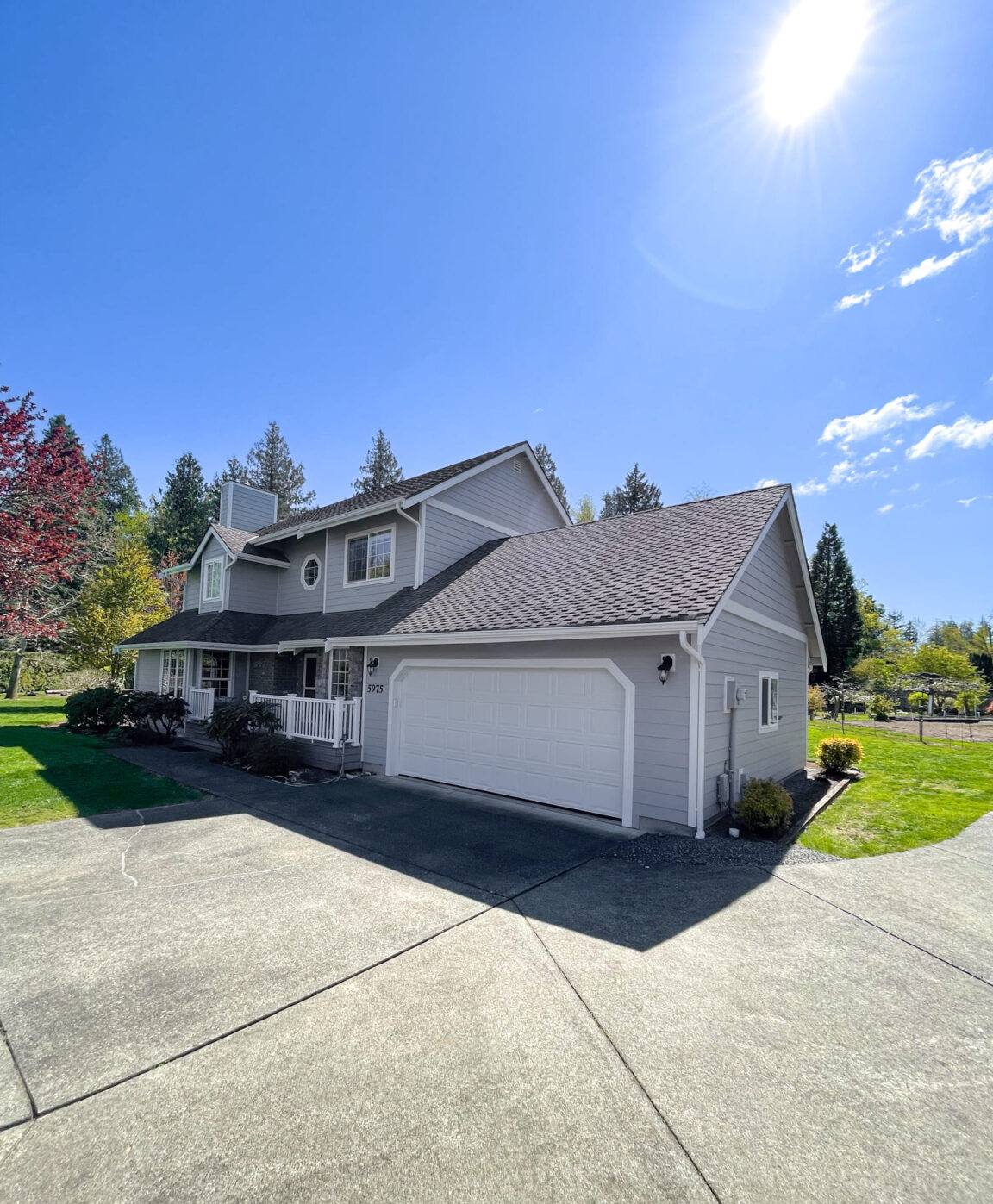
Bartlett Park sits in one of St. Petersburg's older, established residential pockets, with a mix of mid-century bungalows, ranch homes, and newer infill construction. Board and batten siding shows up often in this kind of neighborhood because it fits the architectural character homeowners want here — clean vertical lines, strong shadow definition, and a look that reads as both classic Florida cottage and modern farmhouse depending on the trim and color chosen. It's a popular upgrade for homes doing a full exterior refresh, and it's also a common choice for accent walls, gable ends, and porch areas on houses that keep horizontal lap siding everywhere else.
What most homeowners don't realize until they start researching is that board and batten is less forgiving of a bad installation than standard lap siding. The vertical panels and batten strips create more seams, more fastener points, and more opportunities for water to find its way behind the cladding if the details aren't handled correctly. In a climate like ours, that margin for error matters a lot.
Why Pinellas County's Climate Is Hard on Vertical Siding
St. Petersburg sits on a peninsula surrounded by water on three sides, which means every home in Bartlett Park deals with a combination of stresses that inland houses never see. This isn't marketing language — it's the actual engineering problem a siding installer has to solve for:
- Hurricane-force and tropical-storm winds that create uplift and pressure differentials at panel edges and seams, the exact places board and batten siding is most vulnerable if fastening and flashing aren't done to spec.
- Intense, near year-round UV exposure that breaks down paint film, causes fading, and accelerates the failure of lower-grade or improperly sealed wood products.
- Wind-driven rain that gets pushed sideways and upward during storms, meaning water intrusion often happens at horizontal joints and batten overlaps rather than straight down a wall face.
- Salt air corrosion that attacks unprotected or undersized fasteners, exposed metal flashing, and any hardware that isn't rated for coastal exposure — even a few miles from the water.
Any one of these on its own is manageable. All four together, applied continuously across a Gulf Coast summer and hurricane season, is what separates a board and batten job that looks good for two years from one that holds up for decades.
What a Correct Board & Batten Installation Actually Involves
Substrate and Moisture Barrier
Before any panel goes up, the wall sheathing needs to be sound and dry, and a proper weather-resistive barrier needs to be installed and lapped correctly — shingle-style, top over bottom — so any water that does get behind the cladding drains out rather than pooling against the sheathing. In a humid coastal climate, skipping or rushing this step is one of the most common causes of rot showing up years later.
Panel and Batten Layout
Board and batten relies on wide vertical panels with narrower battens covering the seams. Panel spacing, batten width, and reveal need to be planned before the first piece goes up, both for a consistent finished look and to make sure every seam actually lands on a batten rather than being left exposed. Corners, window and door trim, and transitions to other siding types all need to be planned into that layout, not improvised on the fly.
Fastening for Wind Load
This is where a lot of installations fail in our area. Fastener type, spacing, and embedment depth all need to meet the manufacturer's requirements for the local wind zone — Pinellas County's coastal exposure category means tighter fastener schedules than an inland installation would need. Corrosion-resistant fasteners are non-negotiable here; standard fasteners will start failing from salt exposure well before the siding itself would ever need replacing.
Flashing and Sealant Details
Every horizontal joint, every window and door opening, and every point where the siding meets a roofline, deck, or dissimilar material needs proper flashing — not just caulk. Sealant has a role, but it's a backup to good flashing detail, not a substitute for it. Wind-driven rain will find any gap that relies on sealant alone.
Ventilation Behind the Cladding
A rainscreen gap or proper ventilation path behind the siding helps any moisture that does get in dry out quickly instead of sitting against the substrate. In our humidity, that drying capacity is what keeps a wall assembly healthy long-term.
Our Process on Bartlett Park Homes
- On-site assessment — we look at the existing substrate condition, wall orientation relative to prevailing wind and sun exposure, and any moisture or rot issues already present before quoting anything.
- Layout and product selection — we plan panel and batten spacing around the home's actual dimensions and trim details, and select the correct Hardie panel profile and HZ product line for this exposure.
- Tear-off and substrate prep — old siding comes off, sheathing gets inspected and repaired as needed, and the weather-resistive barrier goes on correctly before anything else happens.
- Installation to manufacturer and wind-zone spec — fastener schedule, flashing, and sealant details are followed exactly, not approximated.
- Final inspection and walkthrough — we check seams, corners, and trim details with the homeowner before calling the job finished.
Why We Install James Hardie Only — And Nothing Else
We don't offer LP SmartSide, vinyl, Cemplank, Allura, primed spruce, or cedar board and batten. That's a deliberate standard, not a limitation of what we know how to install. Here's the honest reasoning:
Vinyl is inexpensive and low-maintenance, but it's a poor match for board and batten's crisp, deep-shadow look — vinyl vertical profiles tend to look flat and can warp or buckle under sustained Florida heat. Untreated or primed wood (spruce, cedar) can look beautiful initially, but it demands ongoing repainting and sealing to survive our UV and humidity, and any lapse in that maintenance invites rot fast. LP SmartSide and similar engineered wood products perform reasonably in drier, more moderate climates, but engineered wood's core vulnerability is moisture — and a coastal environment with wind-driven rain and high ambient humidity is exactly the condition where that vulnerability gets tested hardest.
James Hardie fiber cement doesn't have that moisture vulnerability because it isn't wood-based. It's non-combustible, dimensionally stable in heat and humidity swings, and Hardie's HZ5 product line is specifically engineered for high-humidity, coastal climate zones like ours. The factory-applied ColorPlus finish is baked on and warranted against fading and peeling — a real advantage under the UV load St. Petersburg gets nearly every day of the year — and it comes with a strong transferable warranty that holds up when the installation itself is done to spec. We install Hardie exclusively because it's the one product system we're willing to stand behind for the long term in this climate.
Comparing Board & Batten Material Options
| Factor | James Hardie Fiber Cement | Engineered Wood (LP SmartSide) | Vinyl | Untreated/Primed Wood |
|---|---|---|---|---|
| Moisture resistance | Excellent — not wood-based | Moderate — vulnerable at cut edges/seams | Good, but can warp in heat | Poor without diligent maintenance |
| UV/fade resistance | Excellent (ColorPlus factory finish) | Fair — needs repainting over time | Fair — can chalk and fade | Poor — repaints needed frequently |
| Wind/coastal durability | Strong when installed to spec | Moderate | Can crack/loosen in high wind | Depends heavily on maintenance |
| Maintenance burden | Low | Moderate | Low | High |
| Fire performance | Non-combustible | Combustible | Combustible | Combustible |
| Typical warranty structure | Strong, transferable | Varies by manufacturer | Varies, often prorated | None (material-dependent) |
Why Local Experience in Bartlett Park Matters
A siding crew that already works in and around Bartlett Park and greater St. Petersburg understands things a crew from outside the area has to learn on the fly: how Pinellas County's permitting and wind-load requirements apply to exterior work, what kind of substrate condition is typical on homes of this neighborhood's age and construction style, and how local HOA or historic-character expectations (where they apply) tend to shape material and color choices. That local familiarity translates into fewer surprises mid-project and a permitting and inspection process that goes smoothly instead of stalling.
It also means we're not guessing about how a wall assembly needs to perform here. We size fastener schedules and flashing details around this specific coastal wind exposure, not a generic national spec sheet.
What to Ask Before Hiring Anyone for Board & Batten Siding
- Do they install to the manufacturer's written wind-zone fastener schedule, or a generic one?
- Will they show you the weather-resistive barrier and flashing details before panels go up, not just the finished look?
- Do they use corrosion-resistant fasteners rated for coastal/salt-air exposure?
- Is the product warranty tied to certified installation, and do they carry that certification?
- Can they explain how panel and batten seams are planned around your home's actual window, door, and corner layout — not a one-size-fits-all layout?
- Do they have current experience working in St. Petersburg and Pinellas County specifically?
Getting Started
Board and batten siding done right is a long-term investment in how a Bartlett Park home looks and how well it holds up against Gulf Coast wind, sun, and salt air for decades. If you're considering it for a full exterior or an accent feature, we're happy to come take a look at your home, walk you through what a correct installation involves, and put together a straightforward, no-pressure estimate — just fill out the form below to get started.