 St. Petersburg Roofing
 Metal Roofing Built for the Realities of Bartlett Park
Bartlett Park sits inside St. Petersburg, close enough to Tampa Bay that every roof on every street deals with the same combination of stressors: hurricane-force wind gusts during storm season, intense year-round UV that doesn't let up in the winter the way it does farther north, wind-driven rain that finds any weak seam or fastener, and salt-laden air that slowly works on anything metal that isn't properly coated or fastened. A roof that would hold up fine in a drier, calmer climate can fail here years ahead of schedule if it wasn't designed and installed with Pinellas County conditions in mind.
Metal roofing, done correctly, handles this environment better than most alternatives. That's not a marketing claim — it's why we install so much of it in this part of St. Petersburg. But "metal roofing" covers a wide range of products and installation quality, and the difference between a system that lasts decades and one that leaks within a few years usually comes down to the details most homeowners never see: fastener selection, underlayment, flashing, and how the panels are actually attached to the deck.
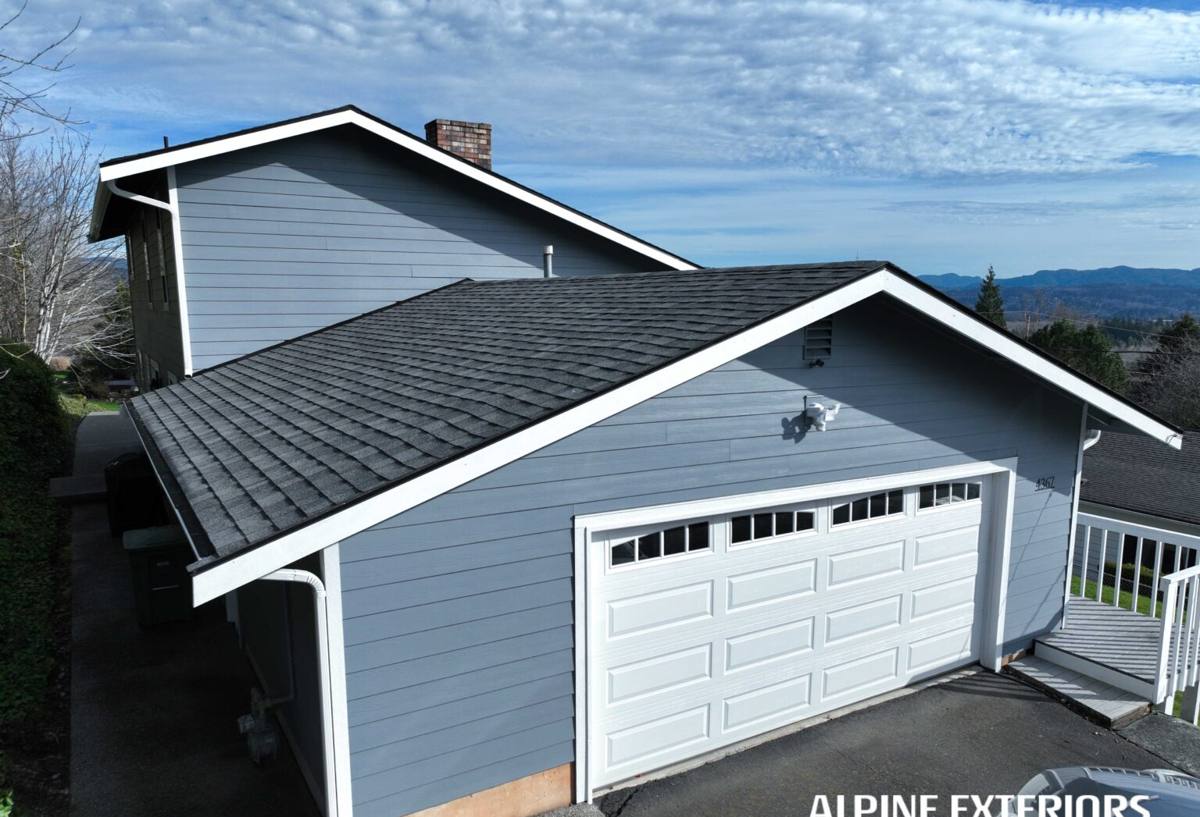
What Bartlett Park Homes Need From a Metal Roof
Many of the homes in and around Bartlett Park are older single-family houses, with roof decks, framing, and ventilation that reflect whatever building standards were common when they were built. That matters for a metal roofing job in a few practical ways:
- Deck condition: Older decking sometimes needs sistering, replacement of soft sheathing, or added fastening before metal goes on top of it — we check this before we quote, not after we start.
- Ventilation: Attics that were sized and vented for an older roof covering don't always move enough air for a metal roof to perform at its best; poor ventilation traps heat and moisture, which shortens the life of everything underneath the panels.
- Mixed roof geometries: Additions, porches, and dormers common on older St. Petersburg homes create extra valleys, transitions, and penetrations — each one is a place water can get in if flashing isn't done right.
- Wind uplift resistance: Florida Building Code wind requirements for this part of Pinellas County are not optional, and the fastening pattern and clip spacing have to match the product's tested wind rating for your specific site exposure.
None of this is unique to Bartlett Park specifically, but it's typical of the housing stock in this part of St. Petersburg, and it's why we don't treat metal roofing as a one-size-fits-all product install.
Salt Air and Coastal Exposure
Being close to Tampa Bay means salt-laden moisture in the air, even a few miles inland. Over time, salt exposure accelerates corrosion on unprotected metal, fasteners, and flashing. This is why panel coating, fastener material, and flashing metal all matter more here than they would in an inland, non-coastal market — a spec that's fine in a landlocked state can underperform along the Gulf Coast.
Panel Types We Install
Not every metal roofing product is the right fit for every home or budget. Here's how the main options compare for a home in this climate:
| Panel Type | Typical Use | Wind & Water Performance | Maintenance |
|---|---|---|---|
| Standing seam (concealed fastener) | Full roof replacements, higher-end homes | Best-in-class; hidden fasteners eliminate a common leak point | Low — no exposed screws to re-seal over time |
| Exposed-fastener panels (5V, corrugated) | Budget-conscious full replacements, outbuildings | Good when installed and maintained correctly | Moderate — fastener washers and screws need periodic inspection |
| Metal shingles / shakes | Homes wanting a traditional look with metal performance | Good; interlocking design sheds wind-driven rain well | Low to moderate |
We don't install every product on the market, and that's a deliberate choice. Some exposed-fastener systems, for example, rely entirely on the long-term integrity of rubber washers under each screw — in this UV and heat environment, those washers age faster than the panel itself, which means more maintenance for the homeowner down the road. We'll tell you that plainly rather than sell you a cheaper system without explaining the trade-off.
What a Correct Installation Actually Involves
A metal roof is only as good as what's underneath and around it. Our process on a Bartlett Park home typically includes:
- Deck inspection and repair. Any soft, delaminated, or water-damaged sheathing gets replaced before anything else happens.
- Underlayment upgrade. We use a high-temperature synthetic or self-adhered underlayment rated for metal roofing, not a basic felt that can degrade under a hot metal panel in Florida sun.
- Flashing at every transition. Valleys, wall intersections, chimneys, skylights, and penetrations get new metal flashing — reusing old flashing is one of the most common shortcuts that leads to leaks two or three years later.
- Fastening to wind rating. Clip or screw spacing follows the manufacturer's tested pattern for the wind speed and exposure category that applies to this part of Pinellas County — not a generic pattern used everywhere.
- Ventilation check. We evaluate intake and exhaust ventilation and recommend upgrades where the attic isn't moving enough air for the new roof assembly.
- Final inspection and cleanup. Every seam, fastener, and flashing detail gets checked before we consider the job done, and the site is cleaned of debris and metal shavings that can rust and stain if left behind.
Why Local Experience in This Area Matters
A crew that regularly works in St. Petersburg and Pinellas County neighborhoods like Bartlett Park has already dealt with the permitting process at the city level, knows what local wind and exposure requirements apply, and has seen how the area's mix of older and newer roof decks behaves under a new metal system. That experience shows up in fewer surprises mid-project — we're not guessing at deck condition, code requirements, or how a particular roof geometry will handle water in a downpour, because we've handled similar homes nearby before.
It also matters after the installation. A local company is the one you call if a fastener works loose after a wind event or if you want a maintenance check before hurricane season — not a crew that installed your roof and then moved on to a different region.
Maintenance: What to Expect After Installation
Metal roofing is low-maintenance compared to most other roofing materials, but "low-maintenance" doesn't mean "no maintenance," especially in a coastal, storm-prone climate. A reasonable maintenance routine includes:
- A visual inspection after any major storm, checking for lifted panels, loose fasteners, or displaced flashing.
- Clearing debris from valleys and around penetrations so water doesn't pool or back up.
- Checking exposed fasteners (on non-standing-seam systems) every year or two for washer wear.
- Rinsing off salt residue and organic buildup periodically, especially on homes closer to the water.
- Having a roofer check sealant at penetrations and transitions every few years, since sealant ages faster than the metal itself.
Cost Factors for Bartlett Park Homes
Metal roofing costs more upfront than asphalt shingles, but the gap narrows over the life of the roof given how much longer a well-installed metal system typically lasts and how much less it needs replaced components. Rough factors that move the price on a specific home include:
| Factor | Why It Matters |
|---|---|
| Panel type chosen | Standing seam costs more than exposed-fastener panels due to material and labor complexity |
| Roof complexity | More valleys, dormers, and penetrations mean more flashing labor and material |
| Deck condition | Sheathing repair or replacement adds cost but is not optional if the deck is compromised |
| Ventilation upgrades | Adding or correcting intake/exhaust vents adds a modest cost but protects the whole assembly |
| Tear-off vs. overlay | Removing an old roof covering versus roofing over it (when code allows) changes labor scope |
We give a written, itemized quote so you can see exactly what's driving the number, rather than a single lump-sum figure that hides what you're actually paying for.
Questions to Ask Before Hiring Anyone for a Metal Roof
Whoever you hire for this job, it's worth confirming these basics before signing anything:
- Are they licensed and insured to do roofing work in Florida, and can they provide proof?
- Do they pull the required permit with the City of St. Petersburg, or ask you to skip it?
- Will they inspect and repair the deck before installing panels, and is that spelled out in the quote?
- What underlayment and flashing materials are included, by name — not just "standard materials"?
- What is the manufacturer's warranty on the panels, and what is the contractor's separate workmanship warranty?
- Do they have experience with homes in this part of Pinellas County specifically?
If you're weighing metal roofing for a home in Bartlett Park, we're happy to take a look and walk you through what your specific roof needs — no pressure, no obligation. Use the form below to request a free estimate, and we'll give you a straight answer about condition, options, and cost.